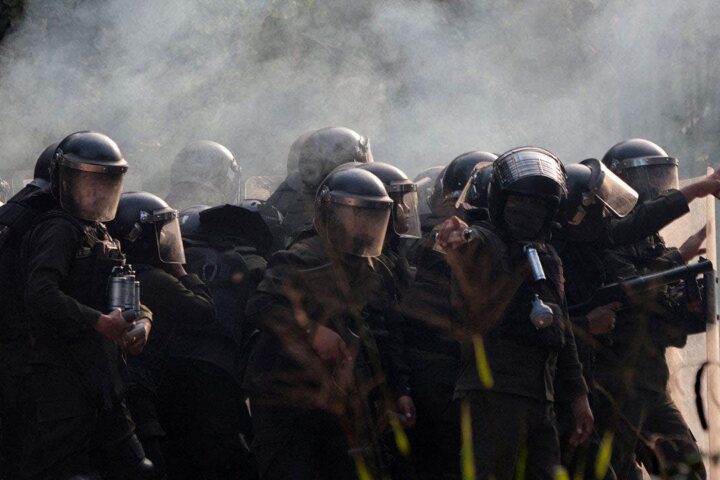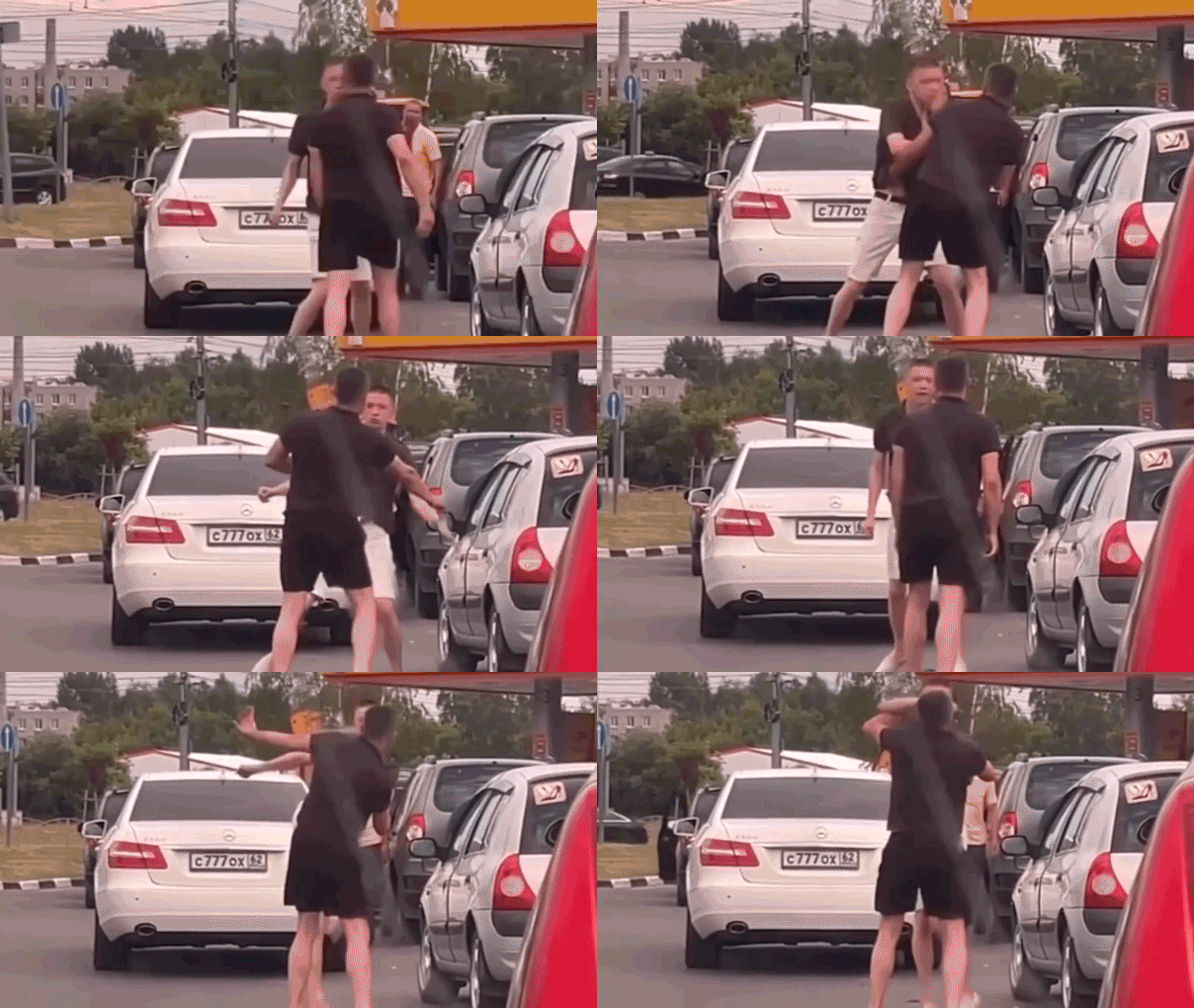
Videos obtained by Fox News Digital and footage from East2West show long lines, clashes and frantic scenes at filling stations as Russian fuel shortages spread from Moscow to Siberia. President Vladimir Putin told ministers that Ukrainian long-range strikes on energy infrastructure have created supply “problems,” Reuters reported.
Russian fuel shortages are visible at pumps and in daily routines. Motorists in Serov, Ryazan and Irkutsk are waiting hours and, in some cases, fighting over access to fuel.
Russian fuel shortages: where and why
Shortages have been reported in occupied Crimea, southern Russia, Siberia and around Moscow, according to Fox News Digital and regional video evidence. Local clips and reporting show rationing and long queues at filling stations in several oblasts.
Putin linked the disruptions to strikes on “critical infrastructure,” saying the attacks are creating supply “problems,” a phrase Reuters quoted from a government meeting. That acknowledgement marks a rare Kremlin recognition of domestic effects tied to the campaign on energy sites.
Video evidence: long lines and fights at filling stations
Footage obtained by East2West and shared with Fox News Digital shows drivers arguing over places in line and scuffles on forecourts. In Serov, one clip circulated by regional channels appears to show a man striking a woman during an altercation.
In Irkutsk and Ryazan, other videos depict shouting and threats as motorists jostle for fuel. East2West quoted a woman identified as Tanya who said she waited 13 hours in Siberia to fill half a tank.
Fox News Digital notes the videos were obtained from regional sources and shared with international outlets; East2West supplied several of the clips shown publicly.
Refineries hit and supply impact
Reuters reported that Ukrainian strikes targeted at least two Russian refineries overnight, naming facilities in Krasnodar and Yaroslavl. Those strikes, Reuters said, damaged refining capacity and contributed to distribution bottlenecks.
Analysts link reduced refining throughput to local shortages. A Reuters analyst comment accompanying the reporting noted that damage to refining infrastructure can create cascading delays across fuel distribution networks.
Maxim Katz, a former Moscow municipal deputy, told Fox News Digital: “There are fuel problems in Russia right now — real ones. I’m getting a lot of reports, and I can see it too: It’s hard. You can’t find fuel, or you have to stand in line.”
Government options and a Kommersant draft
Russian officials are reported to be considering emergency measures to ease the strain. The Kommersant daily published a draft indicating officials had discussed temporarily allowing production and import of lower-quality fuel as a stopgap.
Kommersant framed the document as internal discussion. The paper did not report a final policy decision, and outlets covering the draft treated it as a consideration rather than confirmed law.
Officials have reportedly weighed other contingency steps, including prioritizing deliveries to critical services. As of reporting, formal changes to fuel standards or import rules had not been announced.
What this means for Russians and the war
Observers say the disruption to fuel supply is a tangible domestic effect of attacks on energy infrastructure. An unnamed European intelligence source told Fox News Digital the economic pressure from strikes is “effectively working,” by straining logistics and civilian morale.
Katz warned that Russia is not on the verge of collapse, but that economic strain is rising. He pointed to higher borrowing costs, steep interest rates and a budget focused on military spending as factors that amplify the effect of lost refining capacity.
For ordinary Russians the immediate impact is practical: longer trips between stations, rationed sales and the time cost of searching for fuel. The crowds and conflicts captured on video show how supply disruptions reach households.
Expert reaction and caution
Analysts and opposition figures cited by reporting urge caution in attribution. Claims that Ukraine carried out specific strikes rest on official statements, intelligence reporting and on-the-ground open-source evidence, they say.
Reuters contributed reporting on the refinery strikes. Fox News Digital and East2West supplied and corroborated video footage. Kommersant reported on an internal draft discussing emergency measures. All outlets continue to seek comment from Russian and Ukrainian officials.
FAQ
What is causing the Russian fuel shortages?
Russian officials and multiple media reports attribute shortages to damage to refining capacity from long-range strikes and drone attacks. President Putin acknowledged supply “problems,” Reuters reported, and regional footage shows queues at stations.
Which regions and refineries are affected?
Shortages have been reported in occupied Crimea, southern Russia, Siberia and the Moscow region. Reuters reported strikes on refineries in Krasnodar and Yaroslavl. Videos of queueing and clashes have been recorded in Serov, Ryazan and Irkutsk.
Are emergency measures being considered by Moscow?
Kommersant published a draft showing officials discussed temporarily allowing production and import of lower-quality fuel as a stopgap. Kommersant and other outlets treat the document as internal discussion rather than a finalized policy.
Source attribution
This article draws on reporting and materials from Fox News Digital, Reuters, East2West and Kommersant, and on commentary from Maxim Katz. Where claims are not independently verified, they are explicitly attributed to the outlet or source reporting them.
External sources cited: Reuters and Kommersant. Video footage was obtained by Fox News Digital and East2West.
Image alt-text notes for publishing: Featured image — “Queues at Russian gas station in Serov, Russia”; Body image 1 — “Queues at Russian gas station in Serov, Russia”; Body image 2 — “Scenes from regions reporting fuel shortages in Ryazan and Irkutsk.”