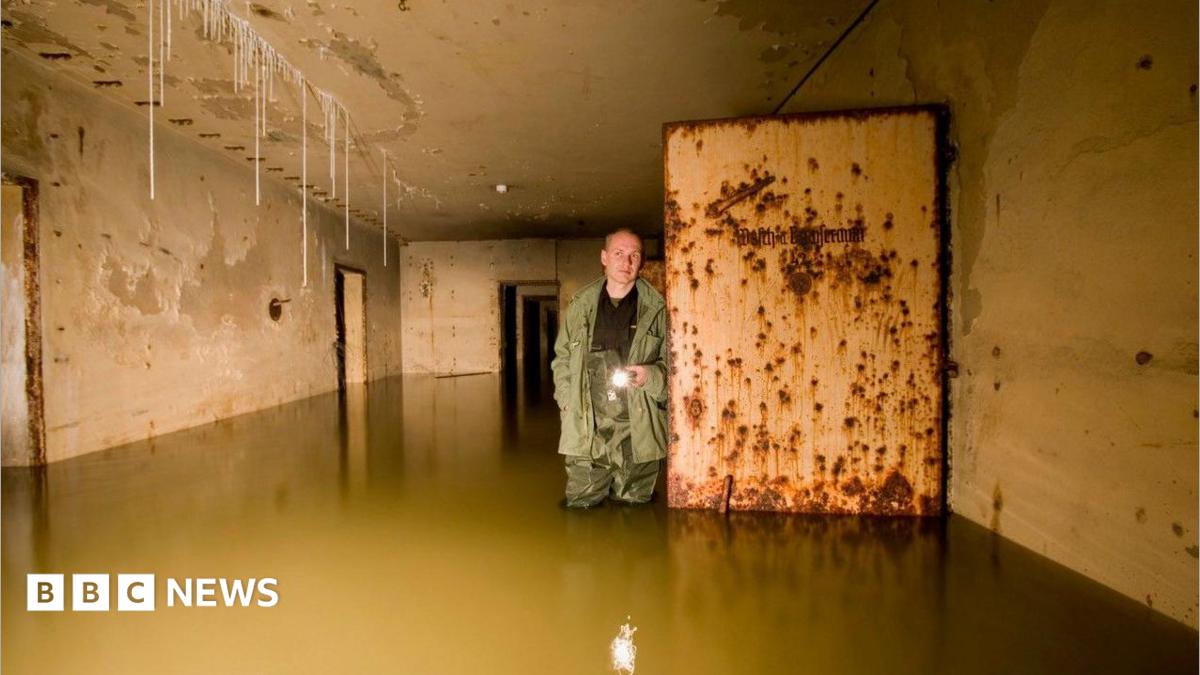
Nazi bunker demolition is at the centre of a new row in Berlin, BBC News reports. City officials have proposed demolishing a wartime bunker beneath a central site to make way for new flats, a plan that has prompted opposition from historians, heritage groups and some residents.
Plan for the Nazi bunker
The reported plan would see a Nazi-era bunker beneath a central Berlin plot removed to allow construction of residential flats. According to the BBC, the proposal is currently at the planning and consultation stage rather than an executed order; city officials are said to be preparing proposals and seeking the permissions required under municipal planning rules.
Officials arguing for demolition frame it as part of a wider redevelopment of the site intended to increase housing supply in a high-demand area of the city. The BBC report notes that any physical work would require multiple approvals, environmental and heritage assessments, and possibly further legal scrutiny before demolition could proceed.
Preservation arguments
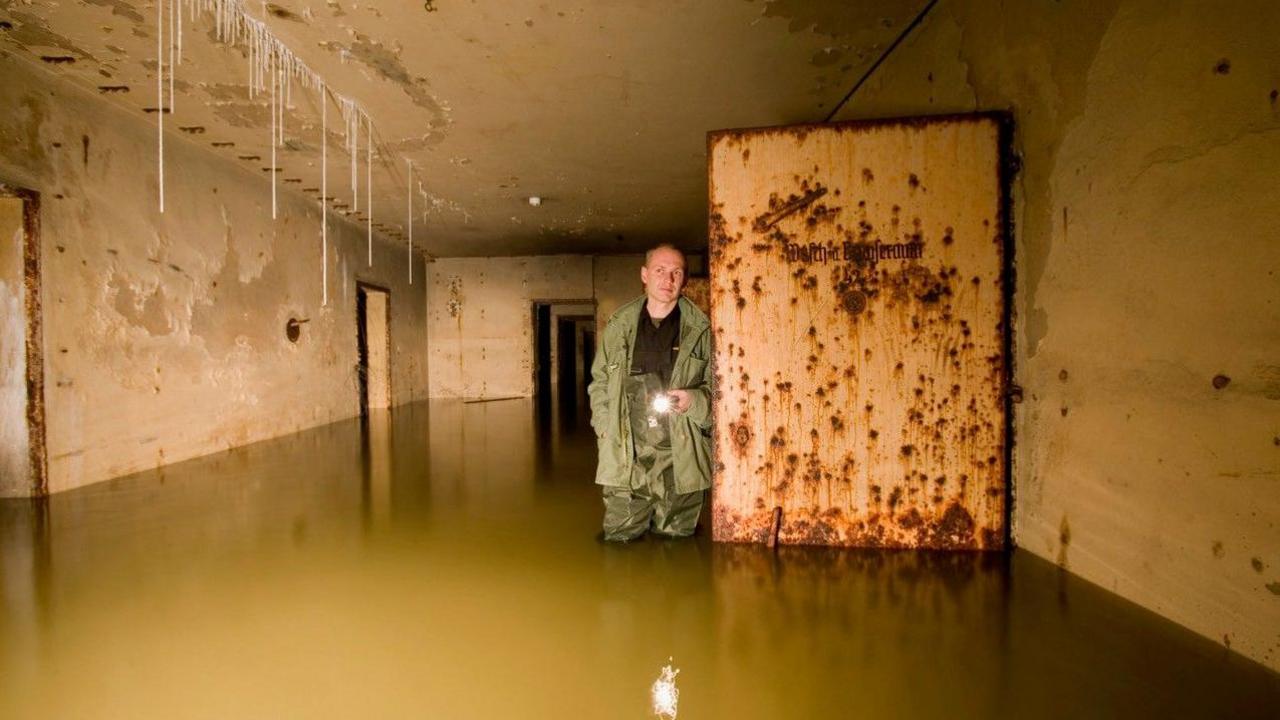
Those urging the site be preserved emphasise its value as a tangible link to Germany’s past. Heritage groups, academics and some community members, as reported by the BBC, say the bunker is an artefact that can support education, remembrance and scholarly research into the wartime era.
Opponents of demolition have argued the loss of the structure would remove a concrete reminder of a difficult chapter in German history and could hinder efforts to remember and understand the local and national past. The BBC coverage cites critics who view removal as an erasure of material history rather than a neutral redevelopment decision.
Why it matters
The dispute matters because it brings together competing priorities in Berlin: the urgent need for housing, pressures for urban renewal on central land, and commitments to memory and historical stewardship. Proponents of construction stress that building flats could help meet demand in a city with constrained central land; preservationists counter that not all centrally located sites should be repurposed if they serve an educational or commemorative role.
Decisions over this site could set a precedent for how Berlin treats similar wartime remains in the future — affecting planning choices and the city’s approach to memorialising difficult episodes of the twentieth century.
Reactions and next steps
The proposal has drawn a range of responses. City officials emphasise efficient use of scarce land and the potential to deliver housing, while critics raise concerns about the symbolic loss if a physical remnant of the Nazi era is removed. The BBC report records strong local feelings, including remarks from opponents and stakeholders making both practical and moral cases.
Article published by BBC News on 2026-06-30T19:19:42.000Z. According to the BBC coverage, the next steps are likely to include formal planning submissions, public consultations and assessments by heritage authorities. Any demolition would require the necessary municipal and heritage approvals and could be subject to legal or administrative challenges brought by preservation groups or interested parties.
Observers say the procedural path typically involves an initial planning application, statutory consultation periods that allow public comment, and separate heritage impact assessments where listed or historically significant fabric may be affected. If the site is judged to have particular historic value, additional protections or mitigation measures — such as on-site interpretation or partial retention — might be proposed during review.
Some commentators quoted by the BBC noted that pragmatic solutions can sometimes be found: for example, documenting a structure thoroughly, preserving representative elements in situ, or providing a public interpretation that explains a site’s history even if physical removal becomes unavoidable for urgent public needs.
Background: wartime remains and law
Germany’s approach to wartime remains varies by site and context. Some structures are preserved as memorials or adapted for educational use, while others have been repurposed or removed in the course of urban development. Decisions are shaped by local planning law, heritage protection rules and wider public debate about the appropriate ways to remember the past.
Heritage authorities generally assess the historical significance of a site, the condition of surviving fabric, and the potential impacts of proposed works. Local governments must weigh these findings against competing public interests, which may include housing needs or redevelopment priorities.
What comes next
Expect the planning process to unfold in stages: submission of formal redevelopment proposals, statutory public consultation, heritage and environmental assessments, and then a decision by planning authorities. If approval is granted, detailed construction and mitigation plans would follow; if refused, proposals may be revised or challenged through appeals.
Given the sensitivities, stakeholders on both sides are likely to remain engaged: preservation organisations may seek to ensure thorough documentation and possible in-situ retention, while planners and developers will present arguments on design, housing yield and public benefit.
For coverage of the original report and direct sourcing, see the BBC News article linked below.
Source: BBC News, 2026-06-30, https://www.bbc.co.uk/news/articles/cwy09753nq3o?at_medium=RSS&at_campaign=rss