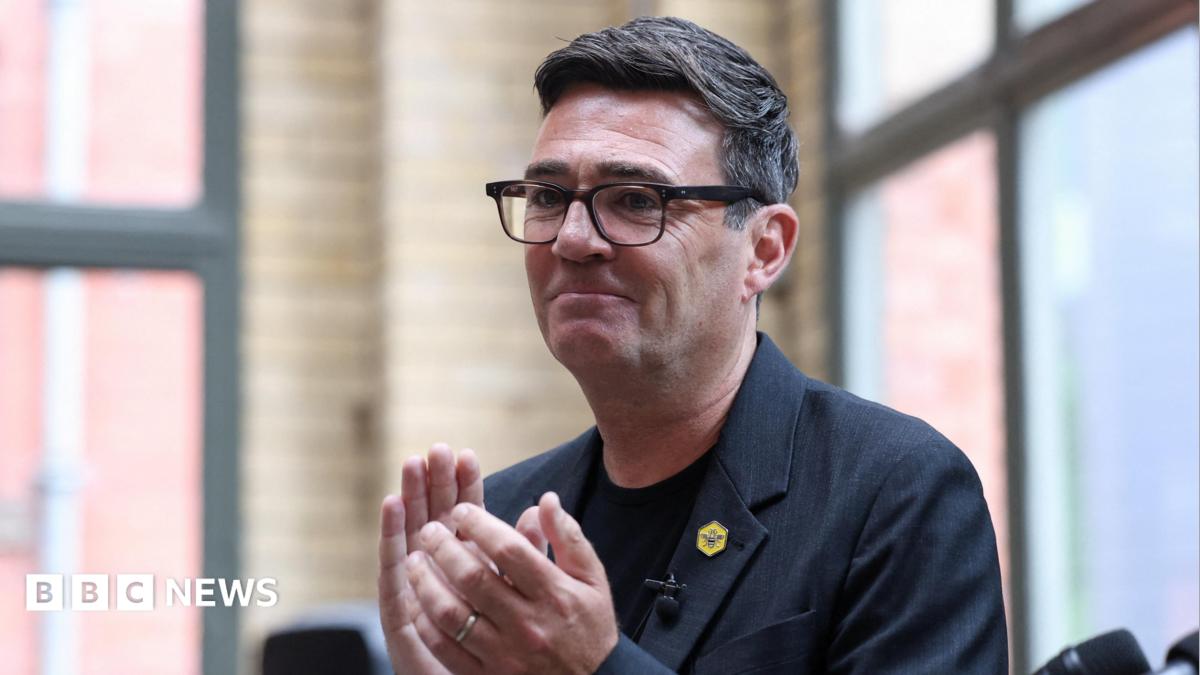
Quick take: A group of female Labour MPs asked Andy Burnham to commit to appointing women to half of ministerial roles if he becomes prime minister, the BBC reported on 30 June 2026. The request is framed as an internal ask from party women pressing for gender parity in government.
Female Labour MPs have told Andy Burnham that half of government should be female if he becomes prime minister, the BBC reported on 30 June 2026. The presentation of the demand was described as a request from women inside the party seeking a clear commitment to gender parity among ministerial appointments.
The ask was delivered as part of ongoing discussions inside Labour about how best to translate the party’s progress in parliamentary representation into senior roles in government. Sources told the BBC the demand was positioned as a test of leadership priorities rather than an immediate manifesto promise.
What Labour women asked Burnham — half of government should be female
According to the BBC report, a group of women MPs set out a clear expectation: that, should Andy Burnham become prime minister, he should aim for a ministerial team in which roughly half of posts are held by women. The group framed the request as seeking symbolic and practical change in how ministerial selections are made.
Those delivering the request emphasised it was an internal ask from party women and activists, designed to provoke a public commitment or at least a clear response from Burnham and senior figures. Organisers stressed the request was part of a broader push for Labour to “lead by example” on gender balance in government.
How the request fits inside Labour
Labour has long contained active debates about representation and the best mechanisms to increase the number of women in elected and senior party roles. Measures such as all-women shortlists and targeted recruitment have been used in past years to boost female representation among MPs and councillors.
Those inside Labour who support explicit targets argue they can accelerate change by turning a principle into a measurable criterion for appointments. Supporters say targets help overcome informal networks and historic patterns that have favoured men for senior roles.
Critics within and beyond the party warn that rigid quotas risk being portrayed as prioritising gender over experience, and some call for a balance between targets and merit-based selection. Factional dynamics, regional representation and portfolio needs also affect who is chosen for ministerial jobs, meaning any pledge would intersect with multiple party priorities.
Campaigners for parity say the request reflects sustained pressure from women MPs and activists to ensure the benefits of increased female representation are visible at the very top of government, not just in backbench numbers.
Implications if Burnham became prime minister
If Burnham were to accept the request and form a government with a roughly equal gender split, the immediate practical effect would be changes in promotion and portfolio allocation. Party managers would need to consider a wider pool of women for senior briefs and ensure career pathways lead to ministerial readiness.
Beyond personnel choices, advocates argue a gender-balanced cabinet could shape policy priorities and decision-making styles. Issues that disproportionately affect women — such as childcare, social care, pay equality and services for victims of domestic abuse — might receive sustained attention if more senior ministers champion them.
There are also political calculations. A public commitment to parity could strengthen Labour’s appeal on modernisation and equality to some voters, while others might see targets as constraining a leader’s flexibility in assembling the strongest possible team on perceived meritocratic grounds.
Implementation would be shaped by parliamentary arithmetic, the talent available among MPs, and external pressures during coalition talks or crisis moments. Even with a pledge, the leader’s discretion over specific appointments would remain significant.
Background and what comes next
Calls for greater female representation in British politics span decades. Parties have used a variety of tools — from selection rules to training and mentoring programmes — to widen the pool of women standing for election and winning seats. Over time these efforts have helped raise the share of female MPs across several parties, and Labour has been at the center of many of those internal reforms.
Recent years have seen a focus not only on electing women but ensuring they progress into senior roles. That transitional challenge — turning increased numbers into influence at ministerial and leadership levels — is central to the current request to Burnham.
What happens next is likely to be incremental. Expect further private meetings between women MPs, campaign groups and the leader’s team to test appetite for a public commitment. Any formal pledge could appear in a leadership platform or as a manifesto commitment if Labour decides it will be electorally advantageous to adopt such a target ahead of an election.
Observers also expect negotiations inside the party over how a parity commitment would be implemented in practice: whether through explicit quotas for cabinet and ministerial ranks, through timelines and monitoring, or through less prescriptive guidelines that leave more discretion to the leader.
Ultimately, the demand highlights a continuing tension in party politics between setting clear equality goals and preserving leadership flexibility. Those pressing for parity hope the ask will prompt a definitive response that clarifies Labour’s approach to representation at the highest levels of government.
Source: BBC News – Top Stories — “Half of government should be female, Labour women tell Burnham”, published 30 June 2026.