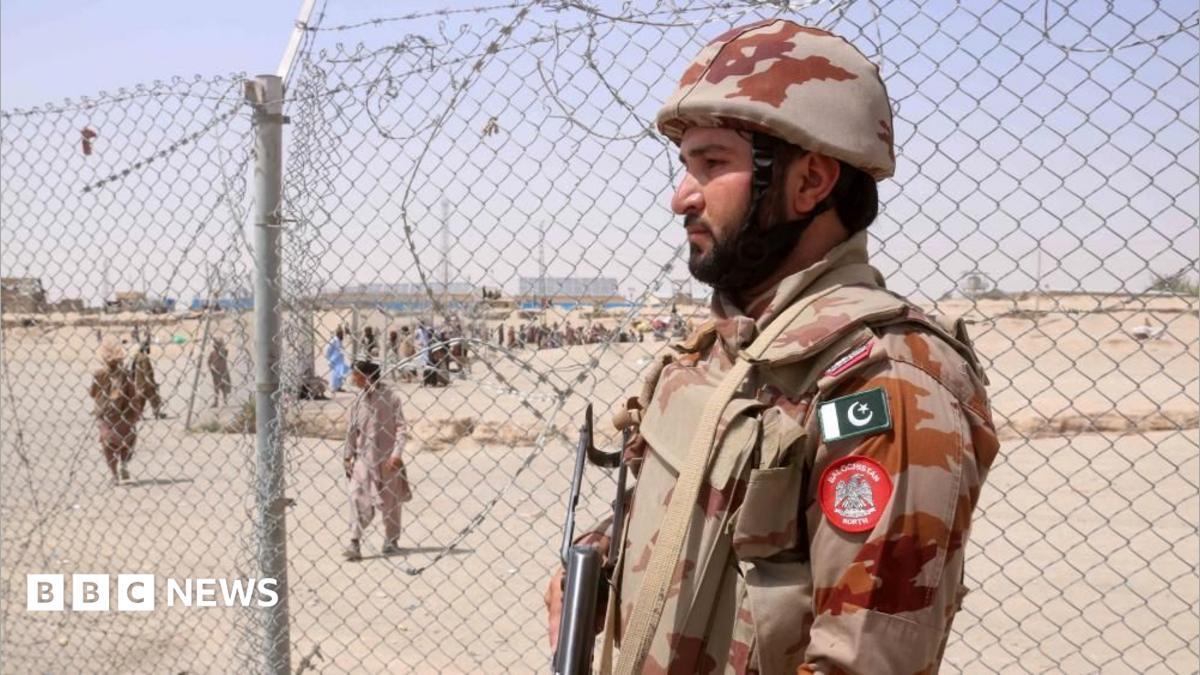
Afghan Taliban border strikes were reported along the Pakistan-Afghanistan frontier, and Pakistan’s military says it shot down four rudimentary drones in response. The main facts available so far are limited to official statements and media reporting; independent verification of some military claims is not available.
Afghan Taliban border strikes: what happened
BBC reporting states that the Afghan Taliban launched strikes across the Pakistan border on Tuesday, touching off a series of responses from Pakistani security forces. Initial accounts identify several cross-border incidents, but detailed timelines and precise strike locations remain sparse in early reporting.
Local officials described attacks originating from across the frontier and reported impacts in border areas. The BBC article relays those accounts as reported by Pakistani authorities and local media; at the time of publication, independent on-the-ground verification of the Taliban’s direct involvement was not provided.
Pakistan military says it shot down four drones
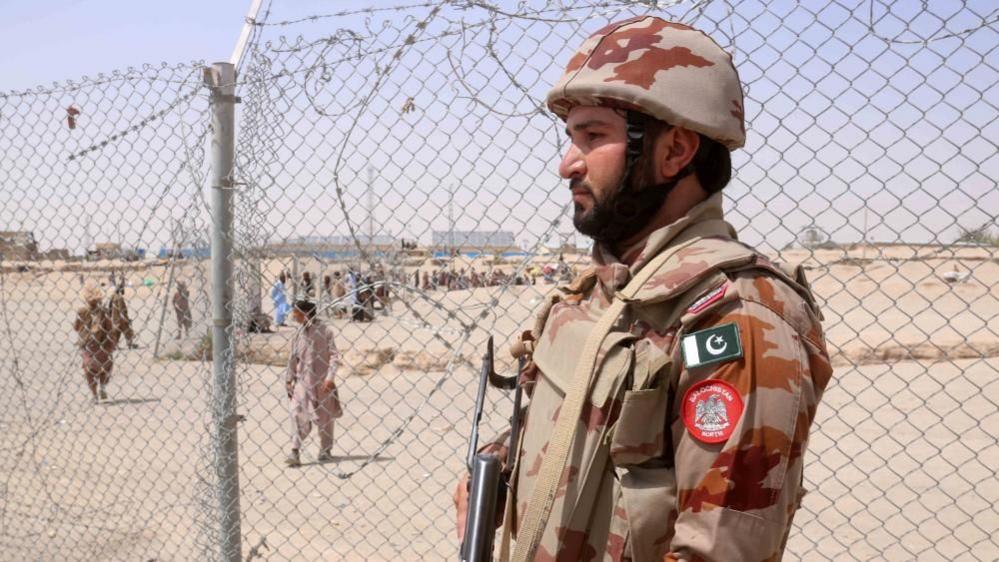
Pakistan’s military issued a statement saying it had shot down four rudimentary unmanned aerial vehicles during the incidents. The armed forces characterized the devices as basic, unmanned platforms and said they were intercepted over border zones.
These are official military claims. The BBC report presents the statements from Pakistan’s military but does not independently confirm the drone shootdowns; that lack of independent verification means the claim should be treated as unverified until corroborating evidence is available.
How officials describe the escalation
Officials in Islamabad framed the events as an escalation of already strained border tensions and warned against further provocation. Statements from military spokespeople emphasized readiness to protect Pakistan’s territorial integrity while calling for restraint from all sides.
The BBC’s coverage notes that multiple news outlets and officials view the incidents as part of a rising pattern of cross-border incidents that could inflame regional security. Reporting so far focuses on the official narrative and the immediate security response rather than independent field investigation.
What this means for regional security
The combination of reported strikes and the claimed shooting down of drones increases the near-term risk of miscalculation along a sensitive frontier. In practical terms, immediate risks include heightened patrols, intensified air and ground surveillance, temporary closure or restriction of local crossings, and increased security operations that disrupt civilian life.
For communities close to the border, even limited exchanges can lead to temporary displacement, interruptions to trade and schooling, and a heavier security presence. A pattern of reciprocal actions — strikes followed by military responses — raises the chance of unintended escalation, including accidental encounters between forces or misidentified aerial contacts.
Background
Cross-border incidents involving militants based in Afghanistan and Pakistani security forces have happened periodically in recent years, sometimes leading to diplomatic protests and short-term military responses. The complex security environment along the Afghanistan–Pakistan border includes difficult terrain, porous crossing points, and multiple armed groups operating with varying degrees of control.
Because initial news reports relay official accounts, establishing command responsibility or the precise sequence of events often requires additional verification from independent observers, satellite imagery, or third-party monitoring, none of which are provided in the BBC report referenced here.
What comes next
Pakistan has publicly warned it will respond to any further provocation, signaling a readiness to raise its military posture along the frontier. In practical short-term terms that could mean increased patrols, broader use of surveillance assets, and more frequent public statements from security officials to deter additional actions across the border.
Diplomatically, Islamabad may lodge formal protests with Kabul or with international partners and could seek to involve regional mediators to reduce the immediate risk of escalation. Conversely, if further incidents occur, there is a closer risk of reciprocal strikes or larger-scale operations that would deepen the security crisis. All such scenarios remain conditional and depend on actions by multiple actors; the reported claim that four drones were shot down remains unverified by independent sources.
Frequently asked questions
What happened with Afghan Taliban border strikes?
BBC reports the Afghan Taliban launched strikes on the Pakistan border. Pakistan’s military says it shot down four rudimentary drones in connection with the incidents. Independent confirmation of both the Taliban’s role and the drone shootdowns is not included in the BBC piece.
Why does Afghan Taliban border strikes matter?
These incidents matter because cross-border attacks and military responses can rapidly escalate, affect civilians, disrupt local economies and trade, and increase the likelihood of wider security operations. Statements warning of responses to further provocation can make de-escalation harder in the near term.
What happens next?
Pakistan has pledged to respond to any further provocation, and security measures on the border are likely to be tightened. The next days could see heightened military alertness, closer diplomatic exchanges, and efforts by regional actors to prevent further escalation.
Source and attribution
Source: BBC News — Afghan Taliban launch strikes on border with Pakistan as tensions escalate.
Reporting limitations: the BBC article cites statements from Pakistan’s military and local officials; it does not independently verify all claims reported here, including the military’s account of shooting down four drones. Military assertions are presented as such and should be considered unverified pending independent corroboration.