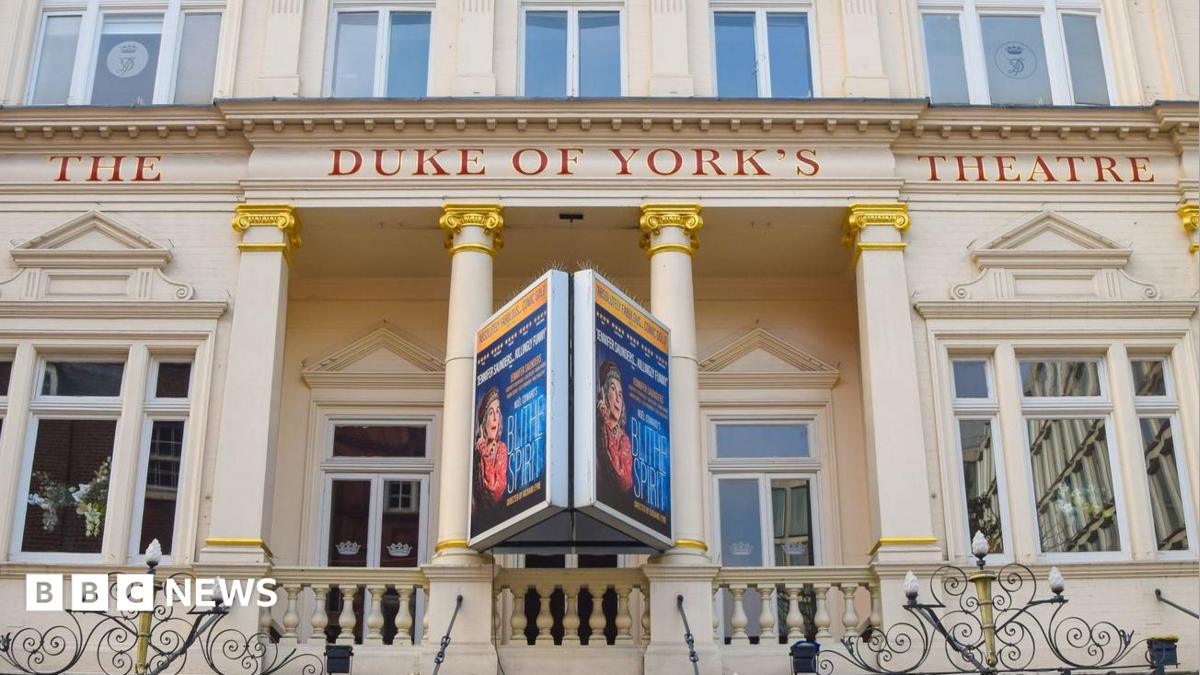
The Duke of York’s Theatre is being renamed after the celebrated playwright Sir Tom Stoppard, BBC News reported on 1 July 2026. The announcement confirms the West End venue will carry Stoppard’s name as a formal tribute to his long association with British theatre and the capital’s cultural life.
The BBC report identified the renaming as a public recognition of Stoppard’s contribution to modern drama. Located in the heart of London, the theatre will now be formally associated with one of the country’s most influential playwrights.
Duke of York’s Theatre: Why Sir Tom Stoppard was chosen
Sir Tom Stoppard is widely regarded as a major figure in contemporary British drama. His career spans decades and includes acclaimed works that have been staged across the UK and internationally. The BBC coverage framed the renaming as a way to link a physical West End landmark with Stoppard’s enduring legacy.
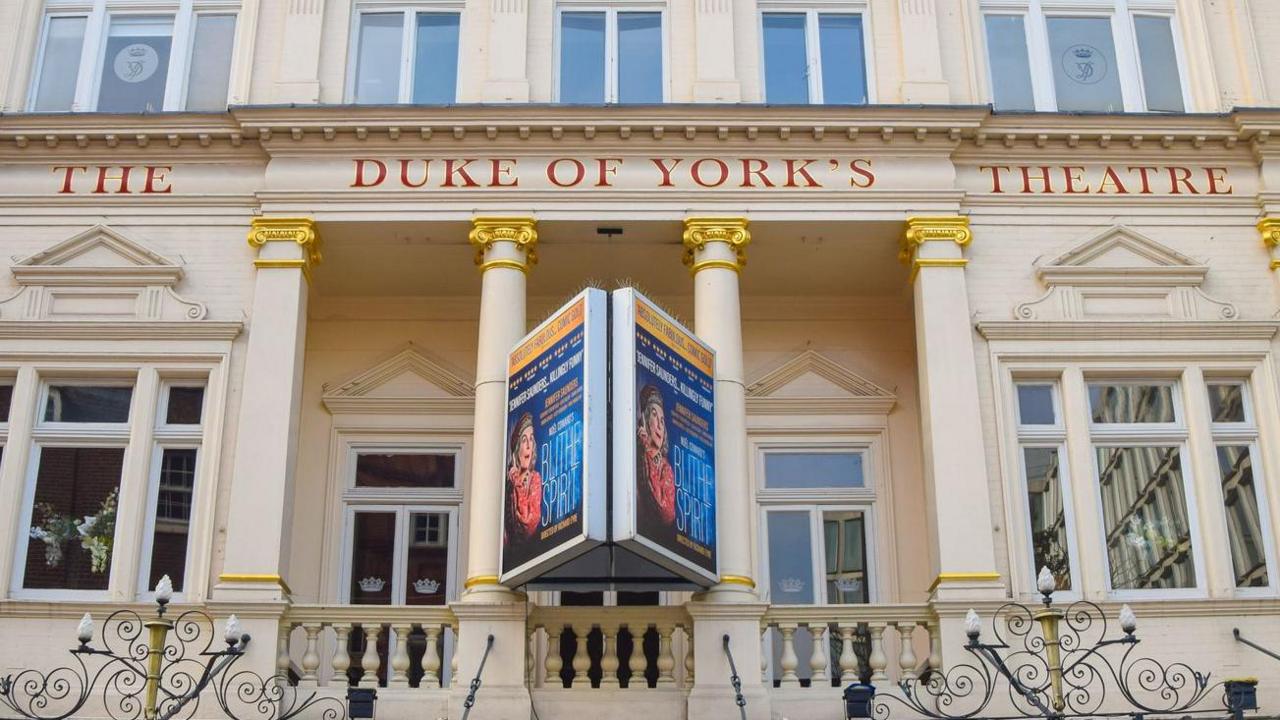
Naming a theatre after a leading playwright is a symbolic choice that highlights cultural contribution rather than a change in the venue’s operational role. The decision aligns the venue’s public identity more closely with the history of British playwriting and with Stoppard’s reputation for thoughtful, ambitious drama.
What the change means for the West End
For audiences and producers, the renaming is unlikely to change the day-to-day experience immediately, but it will shape perception. The West End is a dense ecosystem of venues and cultural brands; the name of a theatre contributes to its prestige, marketing and the way productions are positioned in listings and reviews.
Promoters and theatre companies often reference venue names in advance publicity. A name linked to Sir Tom Stoppard may attract attention from critics, funders and theatregoers who follow his work, potentially influencing programming choices and sponsorship conversations.
Local businesses that serve West End audiences could see subtle impacts. A refreshed or elevated profile for the theatre can increase footfall for nearby cafes, bars and shops, particularly when high-profile productions or commemorative events are staged under the new name.
Background on the venue and the renaming
The Duke of York’s Theatre has long been a fixture in London’s West End, hosting a variety of productions across genres. Like other renamings, this change is chiefly symbolic: it commemorates an individual whose work has resonated with audiences and artists, while keeping the building’s practical role as a performance space intact.
Renamings can reflect changes in ownership, sponsorship or intent to honour cultural figures. In most cases the core operations—ticketing, season scheduling and theatre staffing—proceed under existing management, with branding updates rolled out in stages.
Next steps and timeline
The BBC report announcing the renaming was published on 1 July 2026 and serves as the primary source for the news. It did not list firm dates for when signage, ticketing displays or official listings will change to the new name.
Typically, venue operators phase in practical updates: external signage and digital branding are often scheduled to coincide with a production launch or an anniversary date, while ticketing systems and websites are updated in advance to avoid customer confusion. That means audiences can generally expect visible changes within weeks to a few months, although some updates may take longer depending on production schedules and logistical needs.
Audience-facing items such as already-purchased tickets are normally honoured regardless of a theatre’s name change; patrons should watch for official notices from the theatre about any adjustments to entry points, branding on tickets or email communications.
What audiences can expect in the short term
In the immediate term, programming is likely to continue as planned. Over time, productions and marketing materials will adopt the new title. Listings, review outlets and theatre guides will update their references, and the new name will gradually become the standard usage in press and promotional copy.
For visitors and regular theatregoers, the most tangible effects will be refreshed signage and images used in promotional campaigns. For the wider cultural community, the renaming serves as a public recognition of Sir Tom Stoppard’s contribution to British theatre.
Source: BBC News. For the original report, see: https://www.bbc.co.uk/news/articles/c4gyj42r02wo?at_medium=RSS&at_campaign=rss