By The Nonstop News
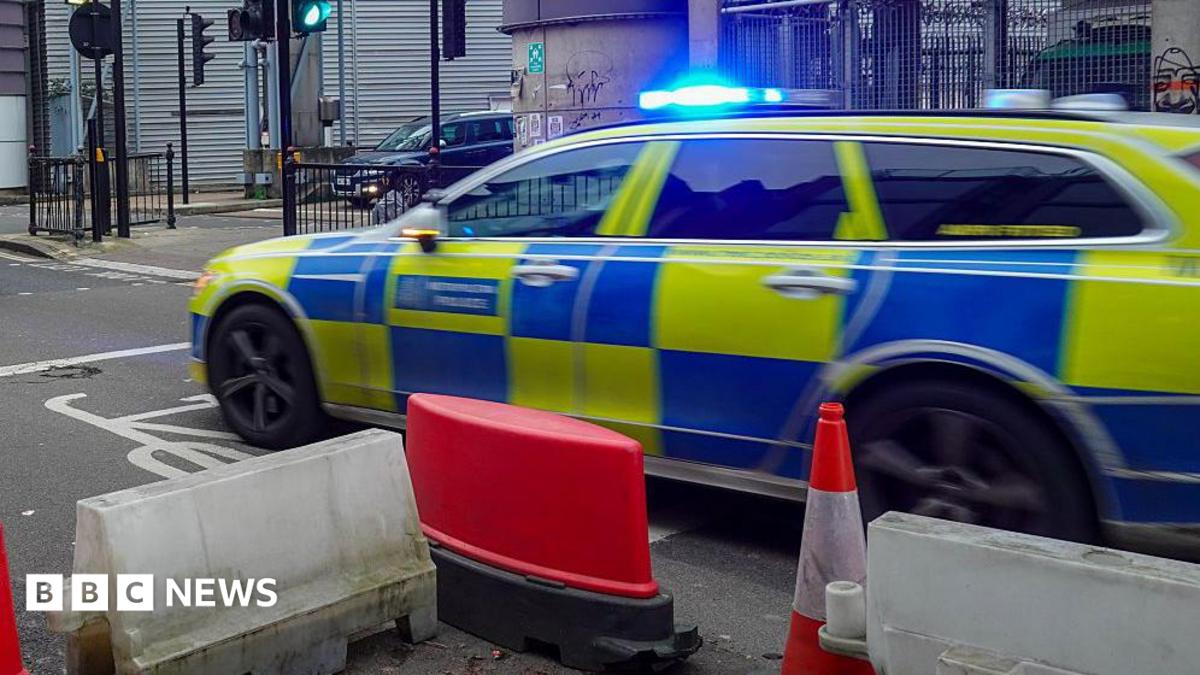
The National Police Chiefs’ Council (NPCC) says a five-day operation targeting organised immigration crime resulted in more than 300 arrests and the seizure of in excess of £1,000,000 in cash, the NPCC told BBC News. The figures were published by the NPCC and summarised in BBC reporting.
Key facts: organised immigration crime operation
Police coordinated a concentrated five-day campaign aimed at disrupting groups suspected of facilitating illegal movement and exploiting vulnerable people. According to NPCC material reported by the BBC, the operation produced more than 300 arrests and cash seizures totalling more than £1m.

The NPCC led national coordination while regional forces carried out arrests and searches across multiple areas. Media coverage and police statements emphasised the scale and cross-border nature of the activity targeted.
Police findings and seizures
The NPCC provided the headline figures to national media outlets, noting both the number of arrests and the amount of cash recovered. Police said seized cash formed part of efforts to disrupt the finances that sustain suspected organised immigration crime networks.
Regional forces and specialist teams executed warrants and searches during the five days. Statements from policing bodies described coordinated activity across different localities, with officers detaining suspects and recovering items officers believe are linked to criminal activity.
At the time of the NPCC summary and the BBC report, police characterised these results as operational disruption intended to hamper networks and gather evidence. The NPCC also highlighted the role of intelligence sharing in identifying targets and planning synchronized action.
Scope and how the operation worked
Authorities said the operation lasted five days and involved multiple partner forces and specialist policing units. The NPCC coordinated intelligence flows and operational planning so that regional forces could act simultaneously in different locations.
Investigators used warrants, searches and arrests as primary tactics. The approach combined local policing knowledge with national coordination to locate people and assets across a dispersed geographic footprint. BBC reporting noted the focus on organised chains of activity rather than isolated incidents.
By the numbers
- Operation length: five days (NPCC)
- Arrests: more than 300 reported (NPCC/BBC)
- Cash seized: more than £1,000,000 reported (NPCC/BBC)
- Coordination: National Police Chiefs’ Council led national planning
Why this matters
Operations focused on organised immigration crime are intended to interrupt the business models of groups that profit from exploitation, document fraud and facilitation of illegal travel. By targeting cash flows and coordinated networks, police aim to reduce the capacity of criminal groups to operate and to protect people who may have been exploited.
Large-scale, intelligence-led operations also signal enforcement priorities and resource allocation. When police forces and the NPCC collaborate across regions, it allows law enforcement to pursue suspects and assets that span local policing boundaries and to build cases that may lead to prosecutions.
Background
Organised immigration crime covers a range of alleged offences, including facilitation, document fraud and exploitation tied to the movement of people across borders. Law enforcement and government agencies have increasingly treated such activity as interlinked with wider organised criminality, requiring multi-force responses.
National coordination through bodies like the NPCC is intended to improve intelligence sharing and operational efficiency. Multi-force operations are common where suspected networks and assets are geographically dispersed and where coordinated timing of search warrants and arrests can limit suspects’ ability to warn each other or move assets out of reach.
Source, caveats and next steps
This article is based on reporting by BBC News, which summarised figures and statements provided by the National Police Chiefs’ Council. Where numbers are given above, they reflect what the NPCC told the BBC and what the BBC published.
It is important to note that arrests are allegations: those detained are not necessarily charged or convicted. Police statements report operational outcomes, but formal charging decisions are made by prosecutors after reviewing evidence. Ongoing inquiries may lead to further arrests, charges, asset recovery actions or court proceedings as investigations continue.
Next steps commonly include case review by Crown Prosecution Service lawyers or equivalent authorities, possible asset-freezing and recovery processes where lawful grounds exist, and continued investigative work to identify other members of suspected networks. Police forces may also publish more detailed statements or case outcomes as prosecutions proceed.
Source: BBC News – More than 300 arrests in organised immigration crime crackdown. See also the National Police Chiefs’ Council: npcc.police.uk.
Caveat: reported arrests and seizures are based on police statements; those arrested are presumed innocent until proven guilty in court. Further verification and legal outcomes may change the public record as investigations and prosecutions progress.