BBC News framed a stark contrast between Harry Truman’s modest post-presidential pension and what it described as a modern “Trump White House windfall.” The White House has rejected that characterization, saying President Trump is not profiting from his office and has no conflicts of interest.
Trump White House windfall: what BBC reported
The BBC article opened by juxtaposing a historical standard—the modest public support or compensation received by some early former presidents—with the scale of private wealth and commercial interests held by recent presidents, focusing on President Trump. The piece used that contrast to argue that the dynamics of presidential finances have shifted, and that change raises questions about whether a president’s private earnings or business ties can amount to a de facto “windfall” tied to holding office.
The BBC headline and framing emphasized scale and effect: whereas earlier presidents relied largely on limited public pensions or private earnings after leaving office, the BBC said the contemporary picture includes presidents with extensive private business portfolios whose value and opportunities may interact with decisions made while serving. That framing prompted reactions across media and political circles.
White House response and official denials
The White House responded quickly to the BBC report, rejecting the implication that President Trump is profiting from his time in office. Administration statements reiterated that the president does not use public office for private gain and insisted that there are no conflicts of interest tied to his official actions.
White House communications characterized the BBC’s language as a contested interpretation rather than settled fact. Officials pointed to existing disclosures and ethics procedures, saying those mechanisms mitigate potential overlaps between private business activities and presidential duties. Critics note, and the White House concedes, that disputes persist over whether such safeguards are sufficient in practice.
How Truman’s pension compares to modern presidential wealth
Historically, many former presidents left office without the extensive private business empires now associated with some high-profile modern presidents. BBC’s piece used Harry Truman’s relatively modest post-presidential circumstances as a historical touchpoint to show how expectations and realities have changed. The point was comparative and contextual: Truman’s era presented fewer avenues for continuous private income tied to public prominence, while later decades saw an expansion of commercial opportunities linked to a former or sitting president’s name and brand.
This historical contrast is important because it reframes ethical questions. When former presidents had only modest means, there was less risk that presidential decisions would be perceived as feeding a substantial private enterprise. With large private holdings, observers say, the potential for overlap between public decisions and private benefit increases—even if direct wrongdoing is not proven. The BBC’s comparison aims to highlight that shift rather than to provide a precise dollar-for-dollar equivalence.
Why critics point to conflicts of interest
Concerns about conflicts of interest center on a simple mechanism: if a president or their immediate family has substantial private business interests, policy choices, appointments, foreign dealings, or government contracts can, in theory, intersect with those interests. Critics argue this creates both practical and reputational problems—practical if decisions tangibly raise private income, reputational because the appearance of influence can undermine trust in impartial governance.
Supporters of the president and official spokespeople counter that allegations are disputed and that appearance alone does not equal illicit conduct. They emphasize compliance with disclosure rules and internal protocols. Independent observers—including legal scholars and ethics watchdogs cited in broader coverage of presidential finances—often call for clearer, enforceable boundaries such as blind trusts, divestment, or enhanced disclosure to reduce both real conflicts and the appearance of conflicts.
Implications for ethics, oversight and public trust
The debate over a possible Trump White House windfall has several practical implications. First, it influences what oversight bodies and watchdogs prioritize. Congressional committees, inspectors general, and ethics offices can open inquiries or request additional documentation when reporting raises specific allegations. Second, it affects regulatory and legislative conversations: if existing rules are judged insufficient to prevent or detect conflicts, lawmakers may pursue reforms such as stricter disclosure requirements or stronger enforcement mechanisms.
For ethics officials, the discussion is often procedural: are the authorities and investigative tools available adequate to follow complex financial ties, including business arrangements that span shell entities, licensing deals, and international partners? For the public, the core worry is trust—perceptions that official actions might benefit private interests can corrode confidence even in the absence of conclusive evidence of wrongdoing.
Because the central claim that the presidency produced a “windfall” for President Trump is contested, many observers argue the best next steps are independent review and more transparent reporting. That could include requests for expanded financial disclosures, congressional hearings, or intervention by an appropriate ethics office to clarify whether specific decisions intersected with private gain.
What comes next
News reports like BBC’s tend to spur follow-up coverage, responses from the administration, and sometimes formal inquiries. If new material becomes available—such as detailed financial filings, additional disclosures, internal communications, or sworn testimony—it could materially change assessments about whether particular actions yielded private benefits. Until such evidence emerges or is subjected to independent legal or congressional review, the question remains publicly disputed.
Observers on all sides agree on one practical outcome: clarity and transparency reduce dispute. Where disagreement persists, independent fact-finding is the recognized path to resolution—whether through oversight hearings, ethics investigations, or journalistic reporting that documents specific transactional links.
Key takeaways
- The BBC framed a historical contrast between Truman’s modest post-presidential situation and the scale of modern presidential private wealth to raise ethical questions.
- The White House has publicly denied that President Trump is profiting from his office and says there are no conflicts of interest; those denials leave the core allegation disputed.
- Because perceptions of conflict can harm public trust, independent review and clearer disclosures are commonly proposed responses.
Images referenced
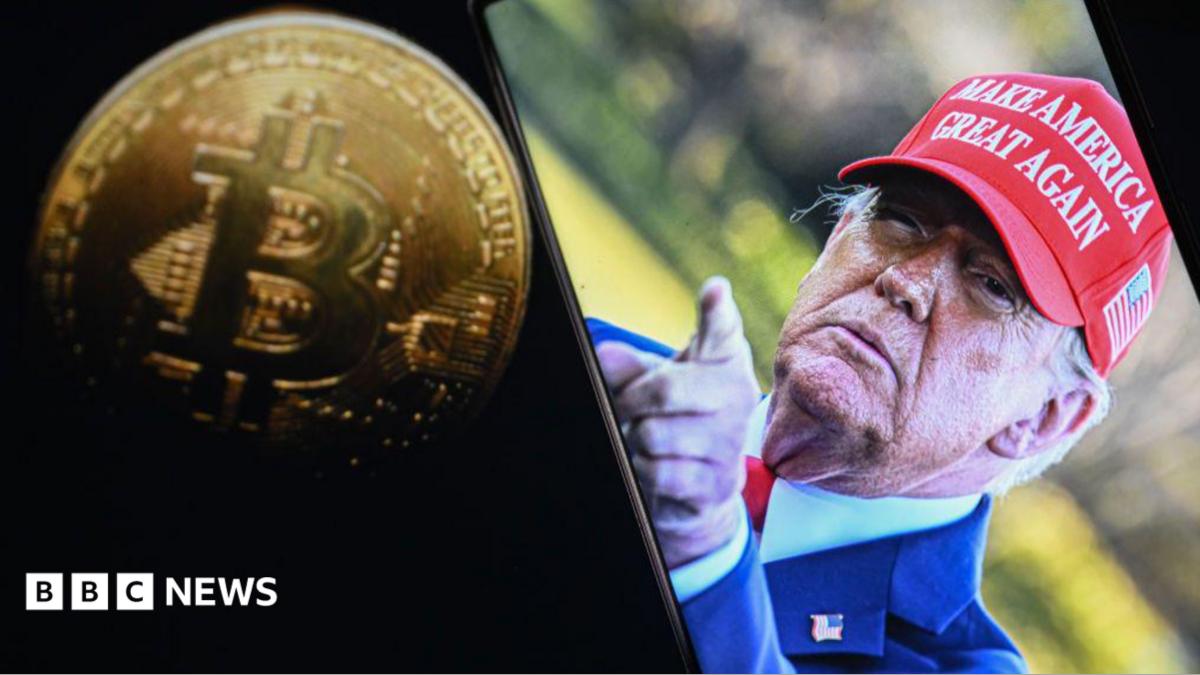
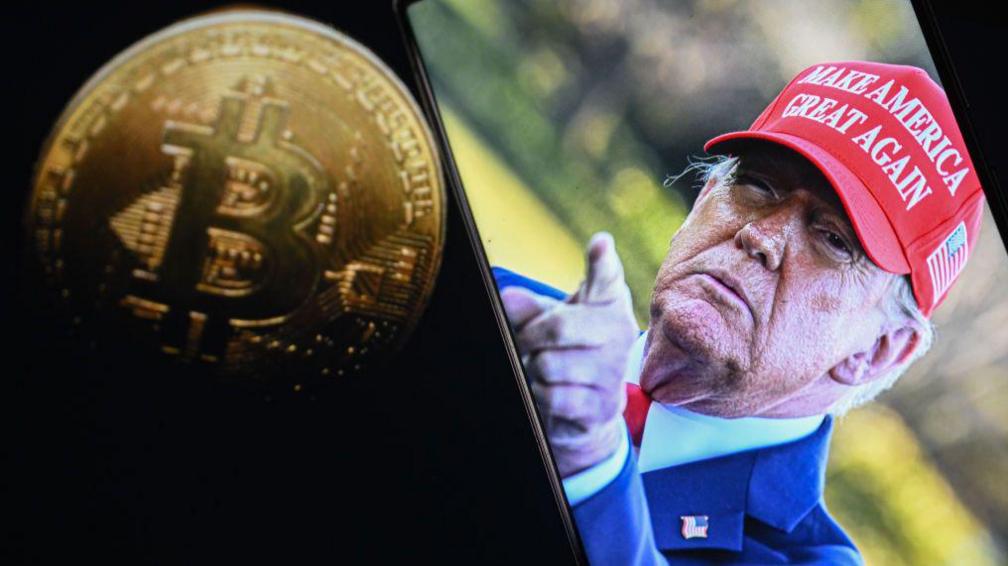
The BBC report used archival and portrait imagery to illustrate its reporting. Candidate body images listed for this article include a historical photo associated with Truman (described as: “Harry S. Truman seated at a desk, black-and-white portrait”) and a modern portrait of Donald Trump (described as: “Donald Trump head-and-shoulders color portrait”). These descriptions serve as suggested alt text for those candidate images.
Source and attribution
Source: BBC News — From Truman’s pension to Trump’s billions – a White House windfall unmatched by any president. Note: allegations that President Trump personally profited from his presidency are publicly disputed; the White House has denied any conflicts of interest.