Lead: the claim and why it matters
The author argues that passing “faith and freedom” to the next generation is essential to preserving American civic life: without religious grounding, he contends, patriotism and civic virtue will weaken. That claim matters because it connects private family instruction to the health of public democracy and asks parents and educators to consider how moral formation intersects with civic education.
This analysis summarizes the author’s evidence, examines historical texts cited, notes counterarguments and contested points, and offers concrete steps parents and schools can consider if they wish to act on this view.
Why faith and freedom matter to civic education
The author links religious belief to patriotism and civic virtue, arguing that households that intentionally combine moral and civic instruction produce citizens who both cherish rights and accept responsibilities. He frames parenting as the primary site for forming habits of character — discipline, service, and duty — that underpin a functioning republic.
In this framing, schools and community groups play complementary roles, but cannot substitute for a family’s formative influence. The author writes that teaching children about national history alongside spiritual commitments helps them see freedom as a trust, not merely an entitlement, and encourages engaged citizenship rather than apathy or nihilism.
What the Founders and key texts say
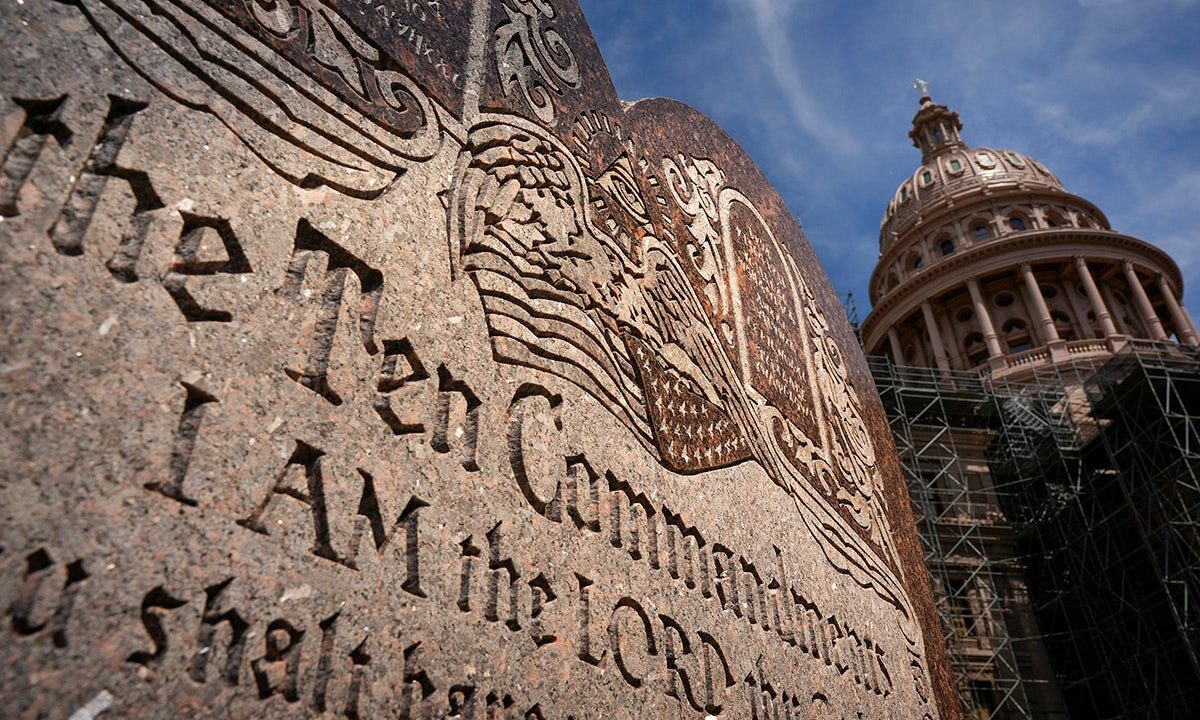
The author cites foundational documents to support his view. He quotes the First Amendment verbatim: “Congress shall make no law establishing a religion, or prohibiting the free exercise thereof.” He also notes that the Declaration of Independence contains multiple references to God and describes rights as endowed by a Creator.
Those citations are used to argue that the founders protected religious liberty while acknowledging a transcendent source for rights. The piece treats the Declaration’s language and the First Amendment as complementary: one establishes philosophical grounds for rights, the other constrains government power over religious exercise.
Debate over “separation of church and state”
The author emphasizes that the exact phrase “separation of church and state” does not appear in the Constitution and argues that the concept has been applied in ways that, in his view, exclude religious language from public life. He warns that aggressive readings of church-state separation risk pushing faith out of civic conversation.
Scholars and courts, however, have developed doctrines interpreting the First Amendment to balance nonestablishment with free exercise protections. The article presents the absence of the literal phrase in the Constitution as a rhetorical point; legal history and constitutional jurisprudence are more complex, and reasonable experts disagree about how to apply founding principles today.
Examples cited and practical steps for parents
The author cites institutions such as the Girl Scouts as examples he believes have reduced overt religious elements in some programming; he frames such changes as symptomatic of a broader cultural trend. That characterization is presented as the author’s perspective and is not offered as the result of a comprehensive audit of any organization. Readers should treat claims about organizational changes as contested and subject to local variation.
For parents and schools considering action, the author and this analysis suggest practical steps that respect legal boundaries while reinforcing civic formation:
- Make narrative time at home: share age-appropriate stories from national history and family religious traditions that link personal character to civic duties.
- Practice civic rituals and responsibilities: discuss how local government works, model voting discussions at age-appropriate levels, and involve young people in community service tied to ethical reflection.
- Partner with local faith-based organizations for extracurricular programs that combine service, leadership training, and moral conversation, ensuring participation is voluntary and inclusive.
- Engage with public schools constructively: support robust civics curricula that teach the Constitution and the Declaration of Independence while recognizing legal limits on sectarian instruction in public classrooms.
- Model habits of speech and reason: encourage children to articulate why they hold beliefs, to listen to differing views, and to connect moral claims with civic responsibilities rather than relying solely on authority or slogans.
Source attribution and next steps
This analysis is based on an opinion piece published at Fox News that argues teaching “faith and freedom” together is essential to America’s future and offers examples and parental advice. The original appears at: America’s next 250 years depend on passing faith and freedom to our children (Fox News).
Readers should note contested points in the piece: claims about institutional trends and broad social effects are presented as observations or persuasive argument rather than comprehensive empirical findings. For fuller context, consult legal and historical sources on the First Amendment, the Declaration of Independence, and the history of religion in public life before drawing firm conclusions.
What comes next: parents and civic leaders who want to act on these ideas might (1) review local school and extracurricular policies to understand what is permitted, (2) discuss values and civic responsibilities at home in concrete ways, (3) seek voluntary partnerships with community organizations that align with family commitments, and (4) consult historians or constitutional scholars when questions about law and history arise.
Because the topic ties private belief to public institutions, dialogue across perspectives and attention to legal constraints can help families and schools pursue civic formation without infringing on the pluralism that the First Amendment protects.