
The government has accepted an inquiry’s finding that “fundamental failures” were linked to the Southport attack, Home Secretary Shabana Mahmood told Parliament. The admission, reported by BBC News, places the incident at the centre of renewed scrutiny over accountability and public safety.
“Fundamental failures” — phrase used by the inquiry to describe shortcomings that contributed to the Southport attack
What the inquiry found
The public summary of the inquiry, as reported by BBC News, uses the phrase “fundamental failures” to describe systemic problems that contributed to how the Southport attack unfolded. The report highlights weaknesses in procedures and coordination rather than pointing to a single, isolated error.
Details in the released summary are limited. The inquiry’s published text does not, in the portions made public so far, attribute criminal liability; instead it focuses on how institutional and procedural gaps created conditions that contributed to the incident.
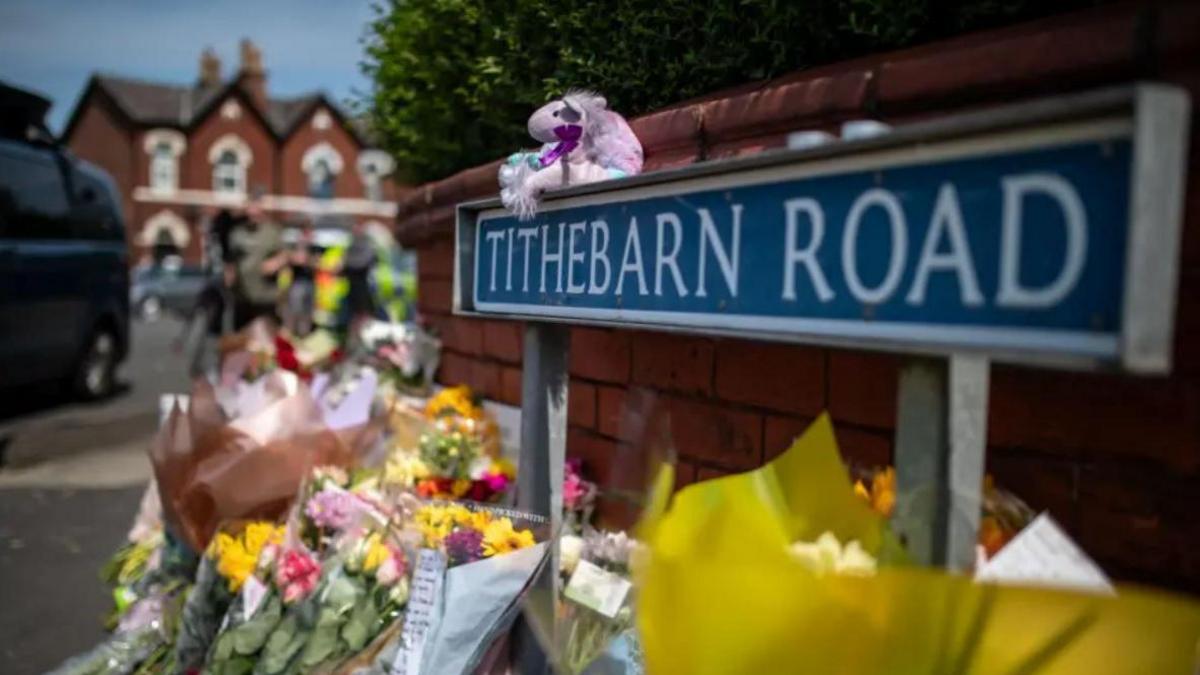
The report raises specific questions about decision-making, lines of responsibility and whether established protocols were followed consistently across involved bodies. Those questions remain central to ongoing public and parliamentary scrutiny.
Government response on Southport attack
Home Secretary Shabana Mahmood told MPs the government accepts the inquiry’s conclusions and will act on its recommendations. Mahmood described acceptance of the findings as the necessary first step toward addressing the failings the report set out.
Mahmood said ministers and relevant departments will work through the recommendations and set out how they will be implemented. She acknowledged the impact on victims, families and the Southport community and emphasised the government’s duty to improve systems to protect the public.
At the time of the public statement, the government had not published a fully detailed timetable for each recommendation; ministers have said they will return to Parliament with implementation plans that respond to the inquiry’s findings.
Southport attack: accountability and public safety
The government’s acceptance of the inquiry’s findings reframes the debate from whether problems existed to how they will be fixed and who will be held accountable. Acceptance increases pressure on public bodies to explain past decisions and to commit to concrete reforms.
For victims and the wider community, formal acceptance can be an important recognition that systems failed. It does not, however, resolve questions about responsibility or guarantee specific remedies — those will depend on the detail and pace of implementation.
- Key findings (summary): The inquiry identified systemic shortcomings described as “fundamental failures” that contributed to the Southport attack; the public summary does not set out criminal findings in the text released so far.
- Government acceptance: Home Secretary Shabana Mahmood told MPs the government accepts the inquiry’s conclusions and will act on recommendations.
- Immediate expectations: Ministers have committed to review the report, consult departments named in the findings, and produce an implementation response for Parliament.
What comes next
Officials are expected to translate the inquiry’s recommendations into an action plan. That work typically involves internal reviews, updates to guidance or procedures, and consideration of whether legislative or resource changes are needed.
Parliamentary scrutiny is likely to follow. Select committees and MPs may demand evidence of progress, and departments named or implicated in the report will be asked to set out how and when recommendations will be delivered.
Observers and campaigners will press for clear lines of accountability and transparent reporting so the public can track progress against the inquiry’s recommendations.
Possible timetable for action (indicative)
The government has not published fixed deadlines in the public summary reported by BBC News. Based on the types of steps government typically takes after such inquiries, an indicative timetable might include the following milestones — offered as a possible framework rather than confirmed dates:
- Within weeks: initial ministerial response and publication of a high-level action plan setting out responsible departments and priority recommendations.
- 1–3 months: detailed departmental plans and initial operational changes (for example, revised procedures, accountability arrangements or staffing reviews).
- 3–12 months: implementation of medium-term changes, potential secondary legislation or funding bids where statutory change is required, and follow-up scrutiny in Parliament.
These timeframes are indicative and should not be read as commitments made by ministers; they are suggested benchmarks to help the public assess progress and transparency in delivering the inquiry’s recommendations.
Accountability and public confidence
Accepting the inquiry’s findings is a political and administrative milestone. The next test for the government will be whether steps taken are timely, transparent and sufficient to prevent similar failures.
Campaigners and lawmakers will be watching for measurable outcomes: named leads for each recommendation, publication of progress reports, and clarity on whether any personnel or structural changes will be pursued to strengthen public safety.
Restoring public confidence depends on both the quality of the reforms and the openness with which progress is reported. The inquiry’s report and the government’s response will remain central reference points for victims, communities and oversight bodies.
Source: BBC News – Top Stories. The BBC’s report provides the public summary of the inquiry’s conclusions; this article summarises those findings and the government’s stated response based on that BBC coverage.