Lead: meeting reported by BBC News
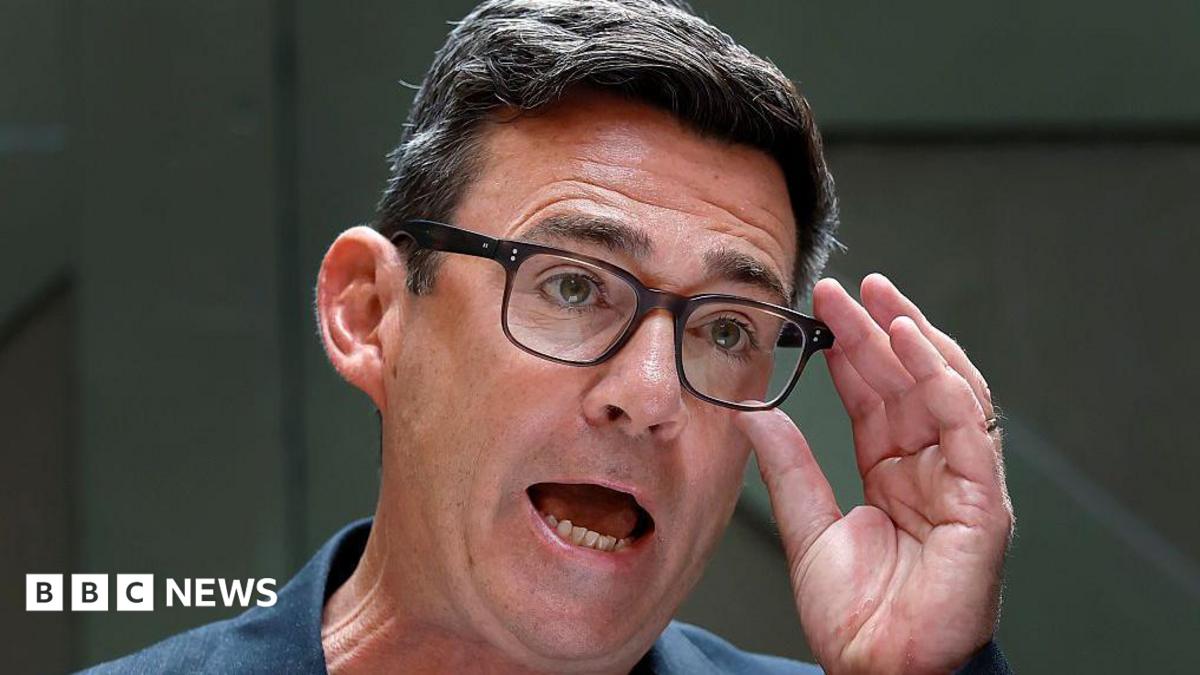
Andy Burnham met trade union leaders in a private round of talks, BBC News reported on 2026-07-02. The broadcaster said the conversations were intended to shore up support and covered a range of issues, including union priorities and speculation about a possible chancellor; the reporting treats appointment talk as unconfirmed.
The meeting was presented by the BBC as part of Burnham’s outreach to stakeholders whose backing could matter in any future leadership or government transition. The coverage was clear that while the conversations touched on ministerial possibilities, no official announcements followed the meeting.
What was discussed: chancellor speculation and priorities
According to the BBC account, attendees included senior trade union leaders and the discussions focused on securing support and aligning priorities. The report said a “possible chancellor” was among matters raised in conversation, but it did not present any appointment as confirmed — that remains speculative in the broadcaster’s account.
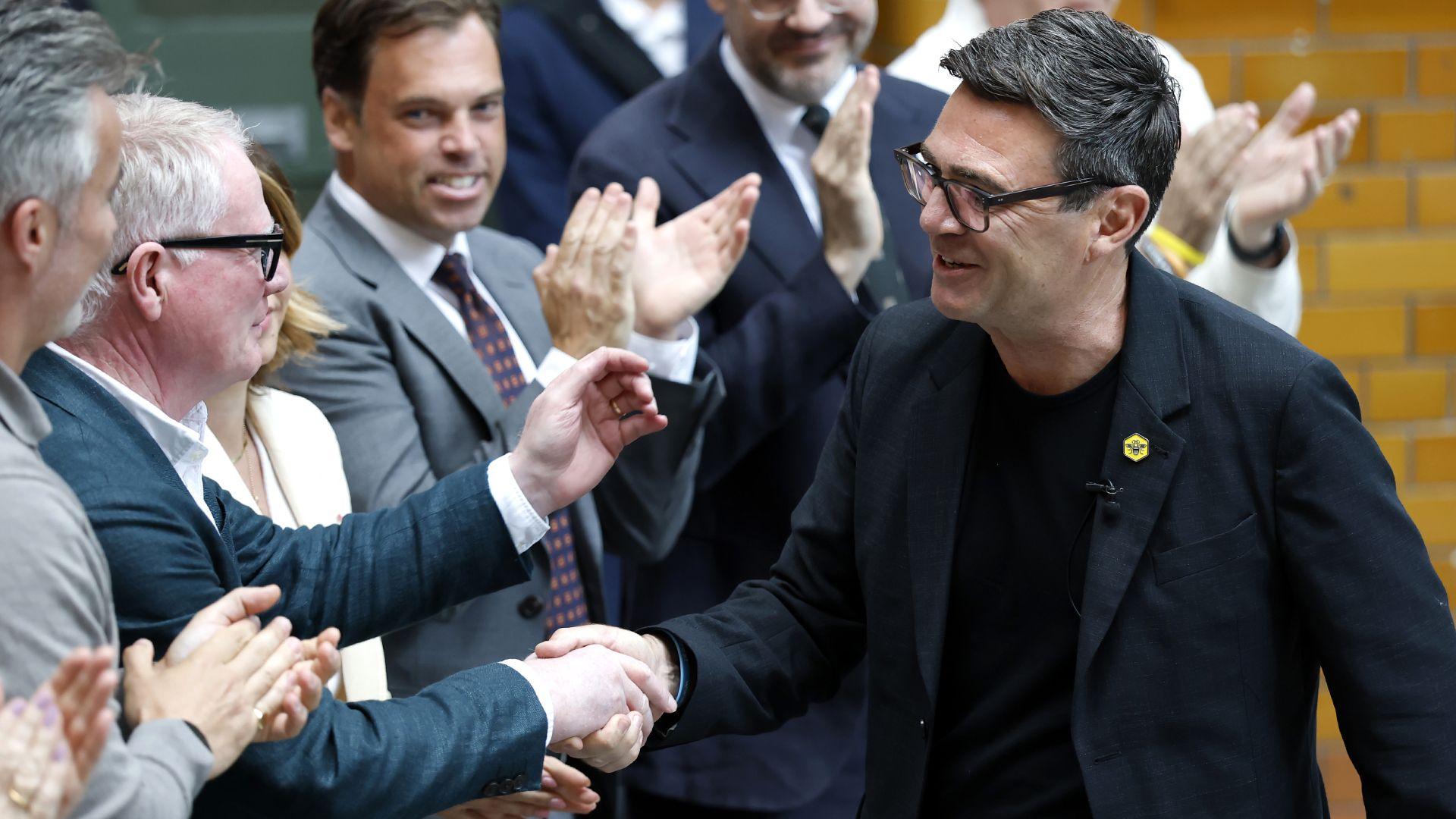
Participants reportedly covered core union concerns such as workplace protections, public-service funding and the state of industrial relations. The BBC framed these themes as priorities put forward by union delegates rather than as binding commitments from Andy Burnham. This distinction is relevant: media accounts emphasised discussion rather than decisions.
How unions could shape a prospective prime minister
Trade unions exert influence in practical ways that extend beyond public statements. They represent organised memberships that can mobilise support during internal party processes and selection contests, and they often negotiate with party figures to secure policy commitments or protections for members.
Unions also have structural levers: they can endorse candidates, direct donation and campaigning resources, and use industrial and political pressure to push priorities onto party agendas. In talks with figures such as Andy Burnham, unions typically set out demands, signal where they will or will not offer backing, and identify red lines on employment rights, pay and public services. Those interventions, even at the discussion stage, can shape who a prospective prime minister appoints and which policies receive early attention.
For example, if unions prioritise stronger workplace protections and a chancellor candidate is seen as sympathetic, that can influence internal debates about ministerial portfolios and fiscal priorities. Conversely, strong union resistance to particular candidates or policies can force political figures to recalibrate appointments or offer clearer commitments.
Context and quick background
Andy Burnham is a prominent political figure whose engagements with labour groups are widely watched for signals about policy direction and alliances. In recent months he has broadened outreach to civic and political organisations as part of efforts to build support among stakeholders whose endorsement could be influential in future transitions.
The BBC report places this meeting in that broader context: it is one of several contacts between Burnham and groups representing labour interests. The coverage cautions readers that talk of a potential chancellor remains speculative and that any concrete ministerial appointments would require formal announcements from the offices involved.
What comes next
Following a meeting reported in this way, there are a number of predictable next steps as journalists and stakeholders seek clarity. Immediate follow-ups will focus on official confirmation, any formal readouts, and whether unions issue public statements or endorsements.
- Official statements: reporters will seek comments or readouts from Andy Burnham’s office and from the participating unions to confirm outcomes.
- Union communications: union bodies may publish minutes, summaries or conditional endorsements that clarify what was discussed and any agreed priorities.
- Media coverage: expect further reporting to probe whether specific names or ministerial roles are being discussed, and whether any nomination processes are underway.
- Watch for announcements: any confirmed appointments or formal commitments should be treated as validated only when released by the relevant offices.
Source attribution
This update is based on reporting by BBC News. For the original coverage see: BBC News — Burnham meets trade union leaders in bid to shore up support (published 2026-07-02).
Note: the BBC reporting presents discussion of a possible chancellor as speculative; no formal appointment was announced in that coverage.