Tyler Robinson lost a bid to pause court coverage Thursday when the Utah Supreme Court declined his petition and deemed a request to stay proceedings moot, clearing the way for courtroom cameras at next week’s preliminary hearing.
Tyler Robinson: Court ruling and immediate result
The Utah Supreme Court’s brief order states in full that “the petition for permission to appeal from an interlocutory order is denied. The motion to stay is deemed moot.” That leaves intact Fourth District Judge Tony Graf Jr.’s prior order permitting cameras in the courtroom unless Graf later changes that decision.
By denying the petition, the high court removed an immediate legal barrier to public and media access under the limits the trial judge has set. Defense attorneys had asked the Utah Supreme Court to halt live cameras and to review Graf’s interlocutory rulings; the court declined that request in this narrow filing.
What this means for next week’s preliminary hearing
Next week’s preliminary hearing will now proceed as scheduled with press and public coverage allowed under Judge Graf’s restrictions. The hearing is a limited, court-supervised proceeding where prosecutors must show probable cause to bind Tyler Robinson over on aggravated murder and related charges.
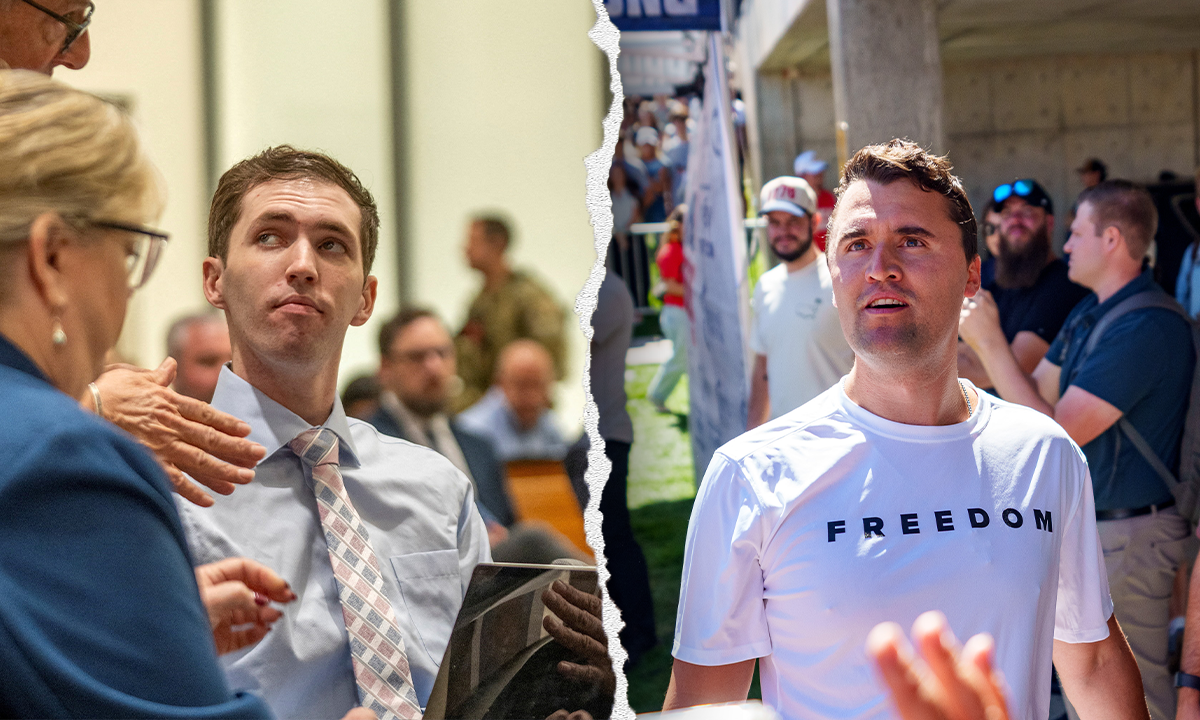
Prosecutors have said they will present evidence they contend links Robinson to the Sept. 10, 2025, shooting at Utah Valley University that prosecutors allege left Turning Point USA founder Charlie Kirk dead. Those claims remain allegations; the preliminary hearing is not a trial on guilt and many evidentiary rulings are preliminary and subject to change.
At a preliminary hearing, attorneys can preview witness testimony and introduce some documentary or physical evidence for the judge’s review. Members of the press and public watching by camera will have access to those presentations in real time, subject to Graf’s directions about what may be shown or broadcast to protect trial fairness.
Judge Tony Graf Jr.’s recent rulings and trial posture
Judge Graf has overseen several contested pretrial matters in the case. He has refused the defense’s request to remove potential death-penalty exposure at this stage and has imposed additional precautions in jury selection and courtroom procedure intended to reduce prejudice and protect a fair trial.
Graf also found a Utah County prosecutor in civil contempt over public comments, signaling active judicial oversight of outside communications in the case. The judge has balanced openness with steps designed to limit inflammatory publicity from affecting jurors or ongoing witness cooperation.
Those rulings reflect the court’s attempt to weigh transparency against fairness: allowing cameras increases public access, but Graf’s conditions aim to guard against broadcasting sensitive testimony or other material that might taint future proceedings.
Pending defense appeals still before the Utah Supreme Court
The high court’s denial in this narrow camera-and-stay petition does not resolve all the issues Robinson’s legal team has raised. Two additional petitions remain pending before the Utah Supreme Court and could affect what evidence or witnesses are permitted at future proceedings.
One pending petition challenges whether prosecutors may rely on certain hearsay statements at the preliminary hearing. Another asks the high court to review Graf’s handling of a dispute over whether key witness Lance Twiggs must testify in person at pretrial proceedings. If the Supreme Court sides with the defense on either point, it could change what is presented at later stages of the case or at trial.
What comes next
The immediate next public milestone is the preliminary hearing scheduled for next week in the Fourth Judicial District. Reporters and members of the public should expect a condensed presentation focusing on probable cause rather than a full trial’s contested evidence. Any evidentiary rulings made at that hearing could be revisited later as the case moves toward a trial setting.
Separately, the two pending petitions before the Utah Supreme Court remain live and could be decided on their own schedule. Those outcomes could influence admissibility of certain testimony or evidence at later stages, but — as of the high court’s ruling on Thursday — they do not alter the near-term hearing schedule or the allowance of courtroom cameras under Judge Graf’s order.
Key takeaways for readers
- Utah Supreme Court denied Tyler Robinson’s petition and deemed a motion to stay moot, preserving Judge Graf’s order allowing cameras.
- Courtroom cameras will be allowed at next week’s preliminary hearing, subject to Graf’s restrictions to protect trial fairness.
- The preliminary hearing is a probable-cause proceeding and not a determination of guilt; prosecutors’ claims are allegations that must be proved at trial.
- Judge Tony Graf Jr. has kept death-penalty exposure on the docket while implementing extra jury-selection protections.
- Two additional petitions — over hearsay and witness testimony — remain pending before the Utah Supreme Court and could affect future proceedings.
- Next scheduled public step: preliminary hearing next week in the Fourth Judicial District.
Observers should expect a tightly managed hearing that provides the public an early look at the prosecution’s theory while leaving many evidentiary disputes unresolved until later motions or trial. The high court’s narrow denial preserves immediate public access but does not decide the broader legal challenges the defense has raised.
This article reports allegations made by prosecutors; the accused are presumed innocent unless proven guilty in a court of law.
Source: Fox News