Socialist surge is the shorthand being used to describe a string of progressive primary upsets that have suddenly reshaped several Democratic nominating contests. The most prominent shocks include Melat Kiros defeating Rep. Diana DeGette in Denver’s primary and a slate of Zohran Mamdani-backed winners in New York City. Together, these outcomes have intensified debate over whether insurgent left campaigns can change general-election matchups and alter control of the House.
What happened in recent primaries
The recent cycle delivered surprises in both deep-blue and competitive districts. In Colorado’s 1st Congressional District, Melat Kiros — backed by progressive organizers — unseated 15-term Rep. Diana DeGette in a result that Fox News described as a major primary shock. Around the same time in New York City, several candidates backed by Mayor Zohran Mamdani prevailed in their Democratic primaries, reinforcing coverage of left-wing momentum in urban contests.
Closer to the swing map, State Rep. Manny Rutinel won the Democratic primary for Colorado’s newly competitive 8th Congressional District, setting up a general-election contest with Republican Gabe Evans. Those outcomes underline how the movement’s successes span both local urban upsets and seats that are likely to be decisive in November.
The socialist surge, explained
“Socialist surge” refers to clustered victories by candidates aligned with the Democratic Socialists of America (DSA) and allied progressive groups. According to reporting in Fox News, DSA and similar networks have celebrated recent upsets as evidence that an organizing model focused on grassroots mobilization, targeted field work and bold policy messaging can pay off in primaries.
Groups such as Justice Democrats and local progressive coalitions have been active in many of these fights. Their typical playbook emphasizes expanded social programs, stronger labor protections and direct challenges to long-serving establishment Democrats. Those tactics are now being tested outside of major blue cities with the explicit aim of producing viable nominees in Midwestern and Sun Belt battlegrounds.
“The movement is trying to translate blue-city wins into competitive general-election playbooks, and August primaries will be an early measure of whether that can work beyond urban strongholds.”
Key races to watch next
Some contests will serve as bellwethers for how far the insurgent strategy can travel. Among those to monitor closely are:
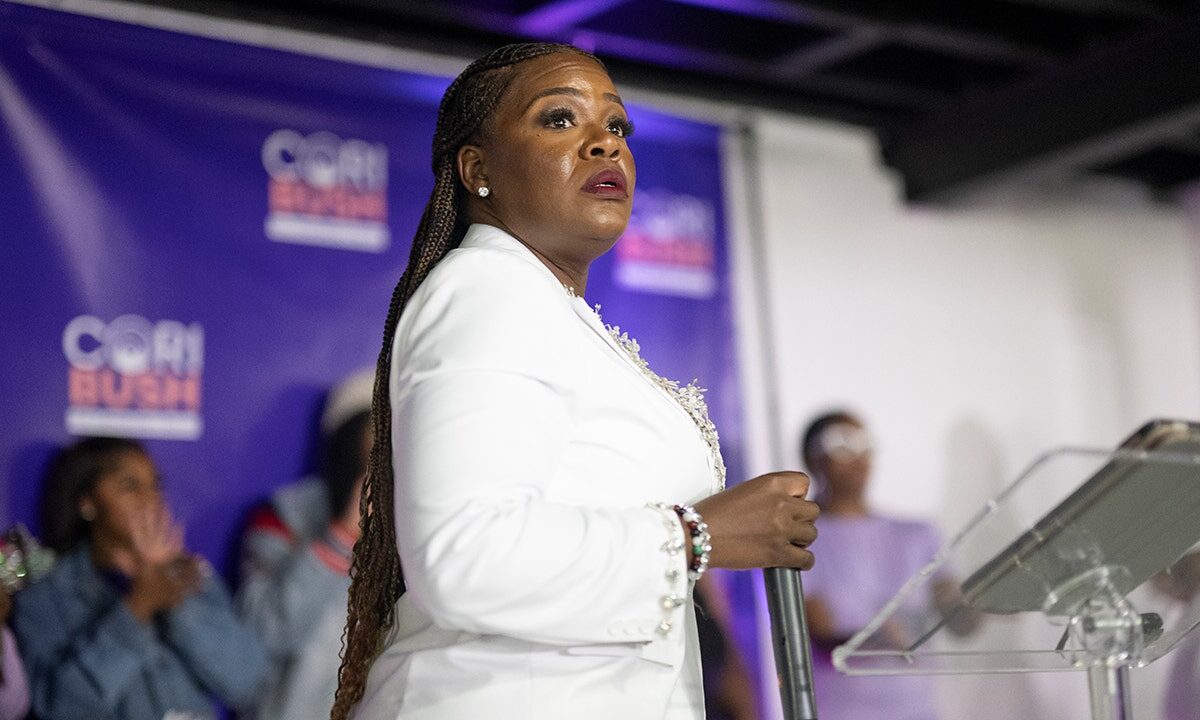
- Cori Bush (Missouri) — the movement’s ability to reclaim competitive St. Louis-area seats will signal national reach.
- Oliver Larkin (Florida) — a DSA-aligned challenger in South Florida who could test progressive appeal in Sun Belt suburbs.
- Abdul El-Sayed (Michigan) — running in high-profile Michigan contests where progressive endorsements carry weight.
- Francesca Hong (Wisconsin) — a rising progressive in a state with an Aug. 11 primary that could shape the fall map.
How these wins could affect the House
Analysts quoted in Fox News place a collection of roughly “two to three dozen” contests at the center of whether Republicans hold a razor-thin House majority. Progressive upsets influence that math in several ways:
- Matchup dynamics: A more progressive nominee in a swing district can change voter perception and messaging advantages for Republicans, who often seek to tie Democratic tickets to ideological extremes.
- Turnout and enthusiasm: Conversely, energized grassroots campaigns can boost Democratic turnout if activists and new voters rally behind insurgent candidates.
- Funding and outside spending: Primary upsets can trigger shifts in outside spending — donors and PACs may either step in to defend vulnerable nominees or redirect resources if they view a race as unwinnable.
The net effect on House control will vary district by district. In some suburban districts, GOP strategists may find it easier to frame a progressive nominee as out of step with local voters. In other places, fresh progressive messaging could blunt anti-incumbent sentiment and bring new voters to the polls. Campaign quality, local issues, and candidate recruitment will be decisive.
What comes next on the calendar
Near-term primaries will be important tests. Fox News notes that Missouri and Michigan hold significant contests on Aug. 4, while Wisconsin’s primary on Aug. 11 will be watched closely. Florida’s late-summer primaries and other state contests through August and early September will further indicate whether the insurgent model is scalable in battleground electorates across the Sun Belt and the Midwest.
Expect more national attention, increased ad spending, and intensified messaging from both sides as campaigns prepare for competitive general-election terrain. Outside groups and national leaders are likely to either accelerate support for candidates seen as viable or prioritize districts where they judge victory achievable.
Takeaway
The “Socialist surge” is less a single policy blueprint than a political strategy: win primaries with energized coalitions and try to scale those wins to competitive general-election districts. Whether that approach alters the balance of power in the House depends on a narrow set of contests this summer and fall — and on whether insurgent nominees can compete effectively in swing districts where margins are often small and turnout patterns unpredictable.
Source: Fox News — Socialist Surge: Far-left Democrats test national playbook after blue-city primary shocks.