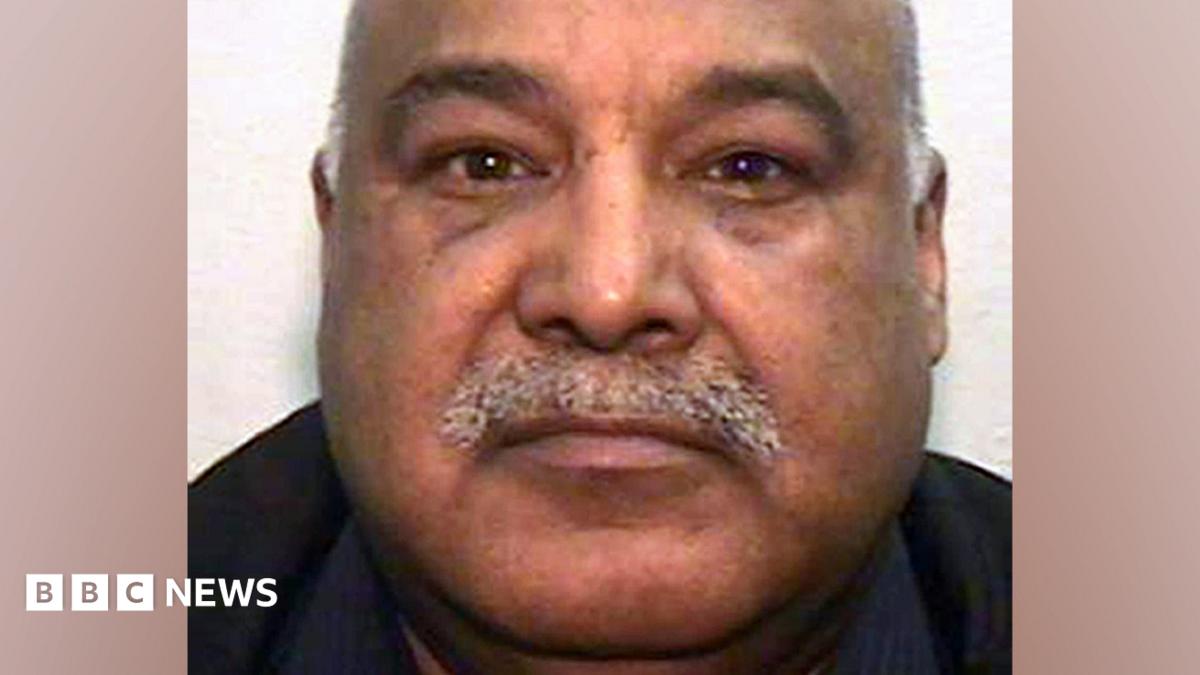
The UK in talks with Pakistan about deporting grooming gang leader, BBC News reports, as government and Home Office officials pursue diplomatic and legal routes relating to allegations. A prime minister’s spokesperson told reporters the government is exploring “all possible options in this case” while stressing any removal would follow legal processes and that the person remains an alleged offender until proven in court.
Quick summary
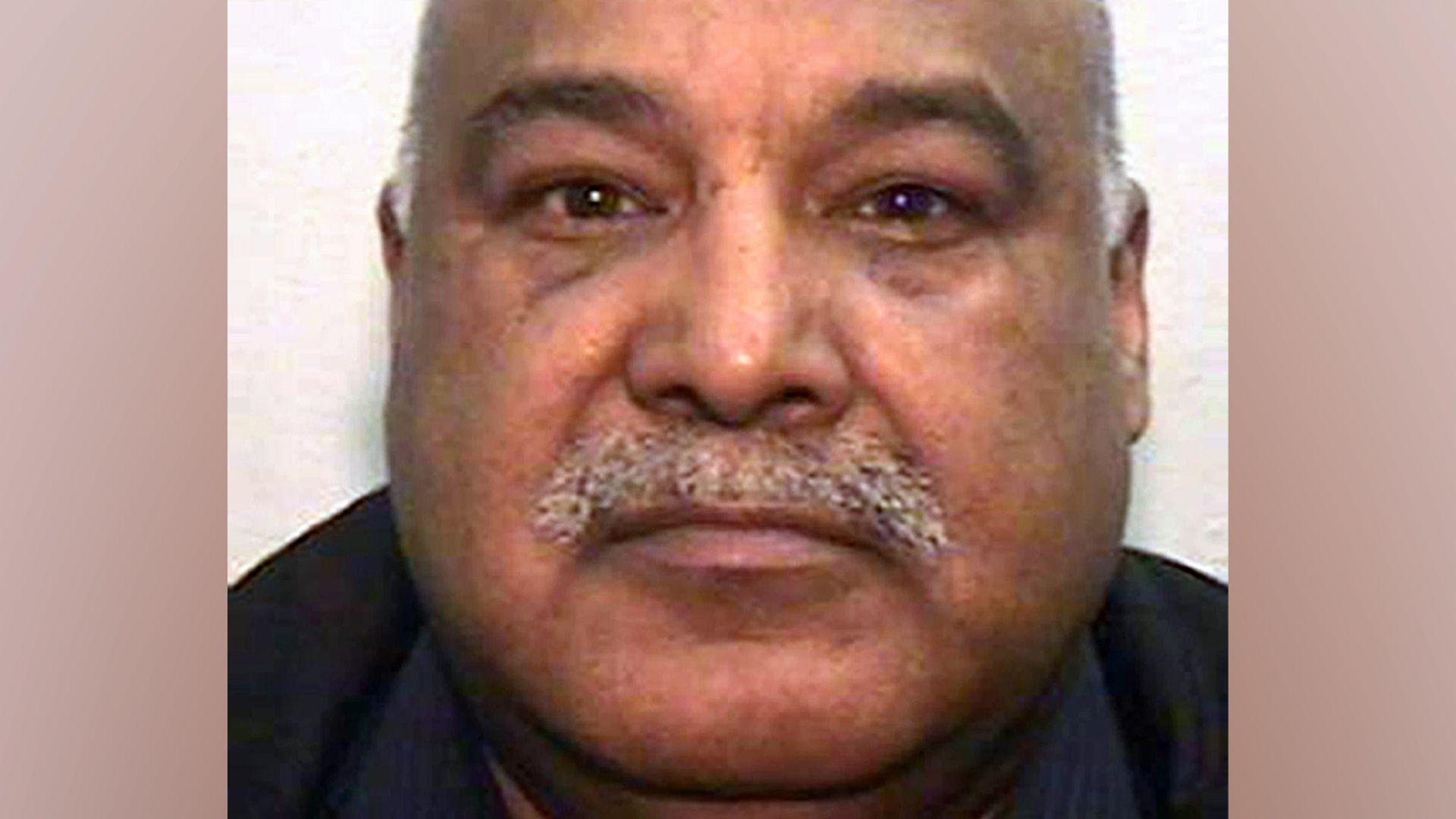
BBC News reports that UK ministers and officials are discussing with Pakistani authorities the possibility of deporting a man described in reporting as an alleged grooming gang leader. Downing Street said officials are examining diplomatic and administrative routes and that they are exploring “all possible options in this case.”
Details of the talks and government comment
Officials from the Home Office and the Foreign, Commonwealth & Development Office are understood to be in contact with Pakistani counterparts to establish whether removal is legally possible and politically feasible. The prime minister’s spokesperson made the comment cited by the BBC, saying ministers were exploring the full range of avenues available.
Government briefings emphasise that discussion with another country does not equate to imminent deportation. Any action would depend on confirmation of the individual’s identity and nationality, legal checks under UK immigration law, and Pakistan’s willingness and ability to accept a return under its domestic procedures.
Legal and diplomatic process for deportation
Deporting someone from the UK typically requires a legal basis for removal under immigration rules and confirmation that the person is a national of, or otherwise entitled to reside in, the destination country. In practice this means UK authorities must be able to show that the individual can lawfully be returned to Pakistan and that any paperwork and consular checks are completed.
Where alleged serious criminality is involved, deportation can proceed in parallel with or separate from criminal proceedings. The Home Office would normally carry out its own assessments, while criminal investigations and potential prosecutions remain matters for the police and prosecutors. Legal avenues such as appeals to immigration tribunals and judicial review in UK courts are commonly available to anyone facing removal, and those processes can delay or prevent deportation while legal questions are resolved.
Diplomatic engagement is also required. Pakistan would need to confirm nationality or issue travel documents and agree to accept the individual. That often involves consular checks and cooperation between UK and overseas officials to verify identity and arrange logistics for return.
Why it matters
The case intersects criminal-justice, immigration policy and victims’ rights. For alleged victims and communities, the prospect of removal raises sensitive questions about where alleged offenders should be dealt with and how justice is pursued. Officials stress that immigration action is not a substitute for criminal prosecutions and that allegations remain allegations until tested in court.
For government policy, the situation highlights the practical and legal challenges of cross-border cases: securing documentation, navigating another country’s legal framework, and balancing public protection with the rights of individuals under UK law. It also underlines the role of diplomatic relations in enabling or preventing returns when citizenship is disputed or records are incomplete.
What comes next
Next steps are likely to include verification of nationality and identity, formal communications with Pakistani officials, and internal legal assessments by the Home Office. If a decision to remove were taken, officials would be required to set out the legal basis and issue formal notices that could be subject to appeal.
Timelines remain uncertain. Verification and diplomatic arrangements can take from days to months, and legal challenges in UK courts can extend the process further. Possible outcomes include no action if legal or evidential hurdles persist, continued administrative or diplomatic engagement, or a formal removal if all legal criteria are satisfied and Pakistan agrees to accept the person.
Source and attribution
This report is based on coverage by BBC News. The BBC article describes the individual as an alleged grooming gang leader; those allegations have not been proven in a UK court and are reported as alleged. The quote that the government is exploring “all possible options in this case” was given by a prime minister’s spokesperson and cited by the BBC.
For the original reporting see the BBC piece: BBC News — UK in talks with Pakistan about deporting grooming gang leader.
We will update this story as further official statements or court filings become available.