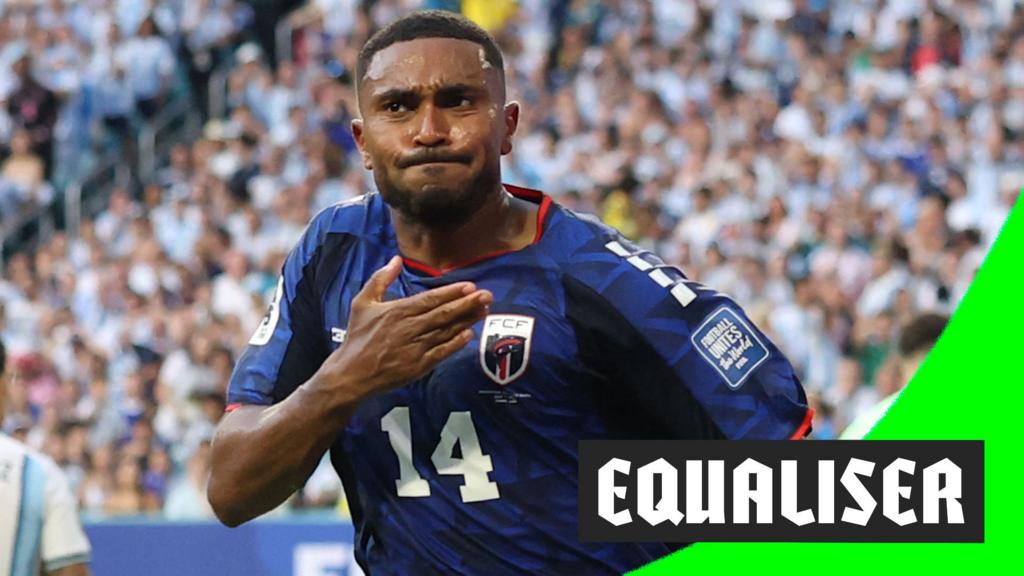
Deroy Duarte levelled the scores for Cape Verde against Argentina in the World Cup round of 32 match in Miami, according to a BBC Sport report and accompanying video. The update highlights the goal and the immediate reaction in the stadium; BBC Sport’s clip is the primary source for the moment, and it does not, in this update, state the exact minute of the goal or the final score.
The equaliser produced a clear swing in atmosphere as Cape Verde’s players and supporters celebrated. Argentina, widely regarded as one of the tournament favourites, were briefly unsettled by the sudden change in the contest’s balance, BBC Sport’s coverage notes.
How Deroy Duarte’s equaliser unfolded
Video footage published by BBC Sport shows Deroy Duarte finding the net to make the contest level in Miami. The clip captures the build-up to the finish and the immediate scenes of jubilation from the Cape Verde camp; the report focuses on the reaction rather than providing a minute-by-minute textual blow-by-blow.
The BBC footage suggests the goal came from a period of sustained pressure by Cape Verde rather than a single isolated counter. Players in the videos are seen converging in celebration, and stadium audio records a surge of noise from the Cape Verde supporters.
Deroy Duarte celebrates his equaliser in Miami.
BBC Sport’s item describes the moment as a shock to Argentina’s control of the match, emphasising how the equaliser disrupted the holders’ dominance. The report does not list the scoring minute; where that detail is important, readers should consult official match logs or later BBC match reports for completion.
Match context: round of 32 stakes
This was a World Cup round of 32 fixture, a knockout stage where one game determines which team advances and which side exits. That format raises the stakes for every goal: there is no return leg and no group-stage safety net. An equaliser in this setting can quickly change the probability of progression for either side.
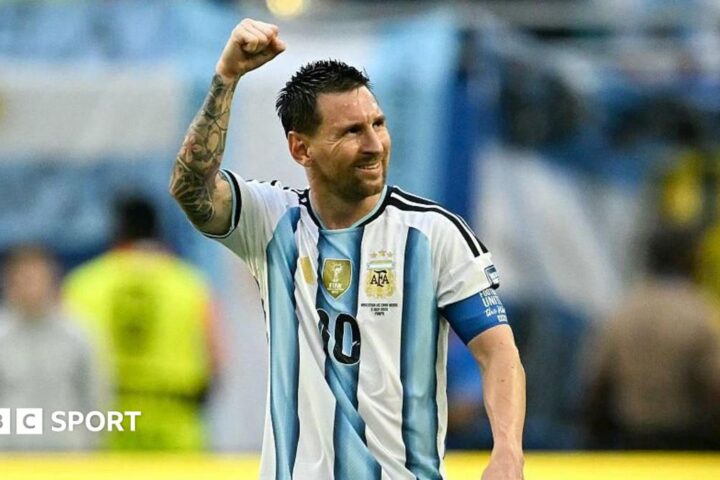
Argentina entered the match as pre-tournament favourites and, as holders, carried expectation and pressure. Cape Verde’s goal therefore had outsized significance: it altered the narrative of a match many anticipated Argentina to control, brought the underdog back into contention and intensified the tactical chess between the coaches.
The Miami setting added to the occasion, with a diverse crowd and a neutral-stadium feel that can amplify momentum swings in knockout ties.
Impact on both teams
Cape Verde’s equaliser is likely to be read first as a psychological lift. In knockout football, a goal that restores parity can give a smaller side belief and license to play with greater ambition, press higher or take calculated risks they might have avoided earlier.
For Argentina, conceding introduced short-term pressure. BBC Sport’s reporting highlights that the goal unsettled the holders; in practical terms, that can force immediate tactical adjustments such as altering defensive shape, changing midfield roles to regain control, or introducing substitutes to inject energy and calm.
Coaches often have to weigh whether to chase a quick winner or re-establish control and avoid exposing the team to the underdog’s momentum. Those decisions—on when to press, how aggressively to commit full-backs, and which personnel to deploy—typically decide the closing stages of knockout matches. The equaliser therefore had implications beyond the single event, affecting likely substitution patterns and tactical intent for both sides.
Cape Verde players react after the goal.
What comes next
At the time of the BBC Sport update, the report does not supply the match’s final outcome; it is therefore not possible from this item alone to state whether the match finished level, went to extra time, or produced a winner in regular time. The immediate focus after such an equaliser would be how each side managed the remaining minutes: whether Cape Verde could sustain pressure and push for a winning goal, or whether Argentina could regroup, control possession and create the higher-quality chances that often decide tight knockout ties.
Observers should look for coach substitutions, tactical shifts to either side’s pressing intensity, and set-piece opportunities in the closing phases—all common catalysts for decisive moments after an equaliser in a knockout setting.
Background
Cape Verde are among the smaller footballing nations to reach a World Cup knockout stage, making moments like this equaliser particularly significant for the country’s tournament history and international profile. For Argentina, a side with extensive experience and expectations in major tournaments, conceding a leveller raises questions about concentration, defensive organisation and in-game management at critical moments.
Knockout matches are shaped by multiple elements—tactical setups, squad depth, substitutions and psychological resilience. A single goal can be a turning point, but the match’s ultimate direction depends on how teams respond in the minutes that follow.
Source details and what we do not know
This update is based on BBC Sport’s report and the associated video clip published by BBC Sport. The BBC item documents the equaliser and captures the reactions in Miami; however, it does not provide the scoring minute of Deroy Duarte’s finish nor a final confirmed scoreline in the update referenced here. Those specifics are therefore not asserted in this piece.
Where available, official match reports from the tournament organisers, match statisticians or subsequent BBC Sport match pages should be consulted to confirm the minute of the goal, the full-time score and any post-match details such as disciplinary actions or referee reports.
Source: BBC Sport – Argentina stunned as Duarte equalises for Cape Verde