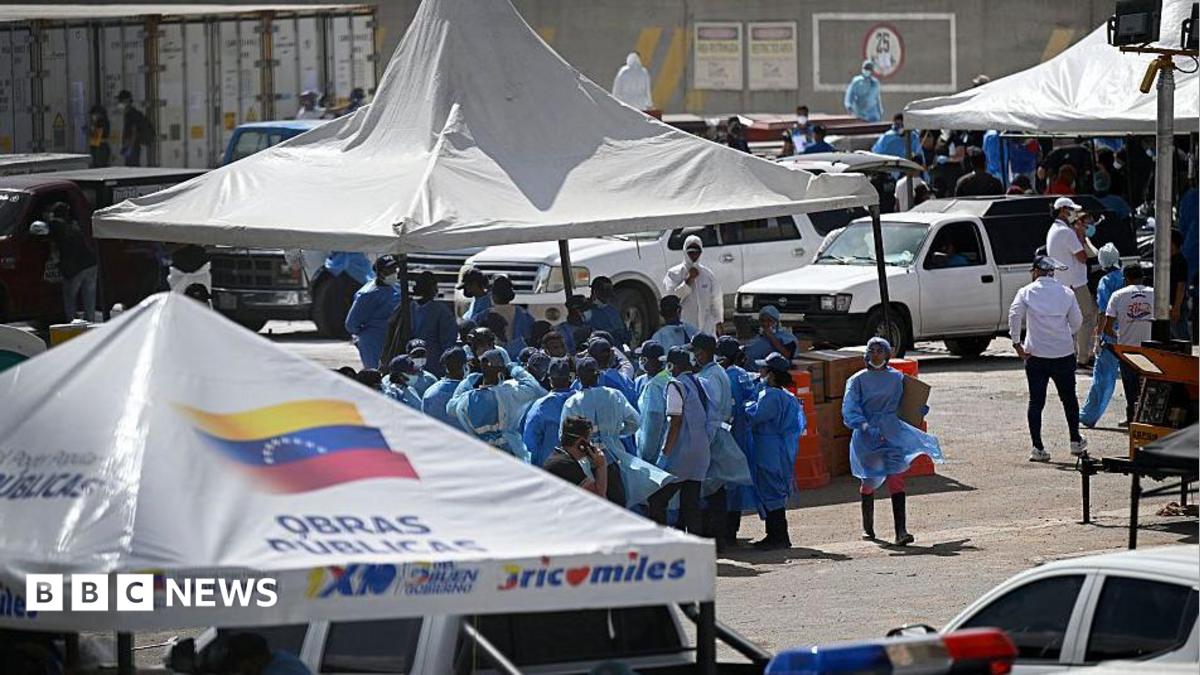
Anguished relatives gathered at temporary sites after a Venezuela quake, forced to identify loved ones where formal mortuary facilities were not available. The scenes, reported by BBC News, described people visiting rows of covered remains and tents because local services could not keep pace with immediate needs.
What happened in Venezuela
Early reporting from BBC News described an earthquake that struck populated communities and left many neighbourhoods damaged. In the immediate hours afterwards, rescue teams focused on finding survivors, clearing debris and checking on missing people. In places where infrastructure and official services were disrupted or overwhelmed, local authorities and community groups had to improvise to manage urgent tasks, including handling those who had died.
Local responders prioritised search and rescue, but the scale of the disruption meant normal procedures for processing the deceased were delayed or could not be followed in the usual way. The BBC reported that this led to temporary arrangements being made to hold and identify bodies while authorities worked to bring more formal resources to bear.
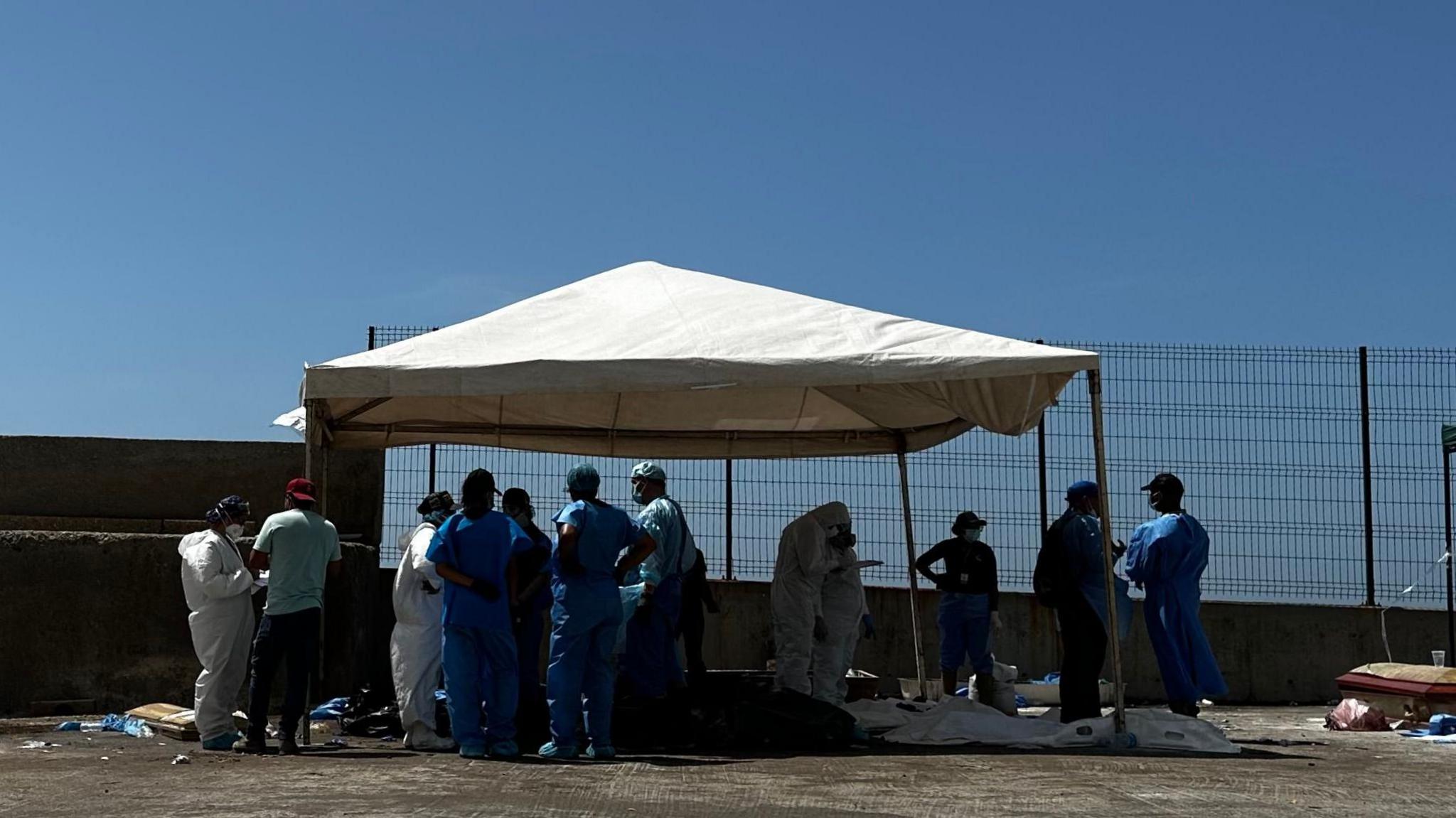
Makeshift morgue and identification after the Venezuela quake
Where formal mortuaries were full, inaccessible or not immediately available, bodies were placed under tents or on covered stretches of ground to await identification. Families arrived at these improvised sites to try to recognise clothing, personal items or facial features. Reporting emphasised the slow, painful nature of the work of identification in such conditions.
Officials and volunteers attempted to keep lists and basic records, noting who had been found and any details that might help relatives confirm identity. The process relied heavily on relatives providing documentation or identifiable information, and on careful record-keeping by the volunteers or municipal staff present. BBC News noted both the compassion of those helping and the limits of the arrangements in place.
These improvised identification sites were not substitutes for formal forensic or mortuary facilities. Where possible, authorities aim to carry out identification using standard procedures to ensure accuracy and to produce the documentation families need. The reporting avoided graphic detail and focused on the procedures, the emotional toll on families, and the improvised nature of the response.
Local services overwhelmed
Local emergency responders, burial services and administrative offices were described as overwhelmed by the sudden demand. Funeral directors, health services and municipal authorities faced logistical challenges in transporting and storing the deceased, as well as in completing the paperwork and issuing required death certificates.
When capacity is exceeded, delays can grow quickly. Families reported long waits to receive official confirmation, difficulties completing documentation, and uncertainty about when burials could proceed. Community members often step in to help with transport, temporary storage and practical arrangements, but those informal responses cannot replace the specialised equipment and processes that formal services provide.
Relief efforts in the hours and days after an event like this typically stretch local resources: ambulances and first responders concentrate on life-saving work, while municipal facilities must cope with both the living and the deceased. The BBC coverage highlighted how that strain affects families seeking clear, timely information.
Human impact and local responses
The human impact of the Venezuela quake is clear in accounts of families queuing at tents and temporary holding areas, searching for missing relatives and trying to identify the dead. People described shock, disbelief and the practical difficulty of identifying loved ones without the usual facilities or support networks in place.
Local volunteer groups, neighbours and informal networks played key roles in providing immediate support: sharing shelter, food, transport and information. These community responses often form the backbone of the initial response when official systems are overwhelmed. In many cases, local churches, neighbourhood associations and civil-society groups organise assistance and help channel information to those searching for relatives.
At the same time, there was limited public detail in the reporting about wider national or international assistance dedicated specifically to the identification sites. The emphasis in coverage was on local coping mechanisms and the heavy burden placed on municipal services in the affected areas.
What comes next
In situations like this, authorities and relief organisations typically focus on a few immediate priorities: ensuring safe and dignified handling of the deceased, scaling up record-keeping and identification processes, and providing psychological and practical support to families. Where possible, forensic and mortuary services are brought in to carry out formal identification and to issue official documentation that families need for burials and legal processes.
For families seeking information, practical next steps usually include contacting local civil registries or emergency coordination centres, keeping personal identification and documents available, and following instructions from designated local authorities. Officials often set up hotlines or coordination points; following verified guidance helps ensure accurate records and reduces the risk of confusion.
Humanitarian and health workers also advise avoiding the spread of unverified reports on social media, because speculative information can hinder identification efforts and cause additional distress to relatives.
Source and attribution
This account is based on reporting by BBC News, which described families identifying Venezuela quake victims at makeshift morgues and noted that local services were overwhelmed. The piece preserves the sensitivity of the reporting and does not include graphic detail.
Sensitivity note: this report references human remains and identification procedures. Descriptions have been kept restrained to respect the privacy and dignity of victims and their families.
For continuing updates and guidance, follow official local authorities and verified news outlets for information on identification procedures and support services.