
BBC Sport asked whether Australia have a “mental edge” over England before the Women’s T20 World Cup final, and that framing immediately pushes psychology into the foreground of match discussion. The phrase “mental edge” is useful shorthand for a range of psychological influences that can shift the small margins in T20 cricket.
“Psychological advantages are often interpretative — useful for framing, but not proof of outcomes.”
Quick verdict: is there a mental edge?
Short answer: evidence for a clear, lasting mental edge is mixed. BBC Sport raised the question because Australia carry tournament pedigree and recent positive results that feed a narrative of psychological advantage, but a so-called mental edge does not guarantee victory.
In T20, isolated moments — a tight over, a dropped catch, a one-ball review — often decide matches. Those moments are where mental factors can matter, but they interact with tactics, form and luck. A perceived mental edge is best seen as one influence among many.
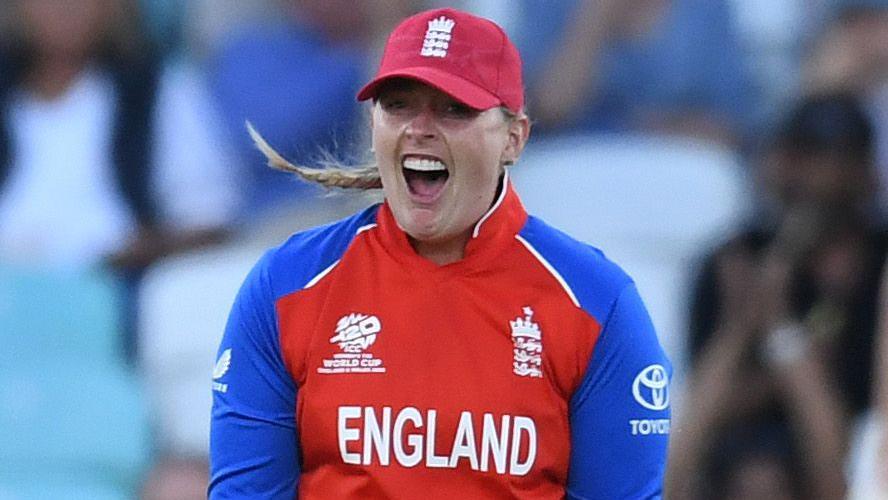
Which psychological factors matter in a final
Sport psychology highlights discrete influences that are relevant in a final: confidence, routines, focus under pressure, recovery after mistakes and collective belief. These are measurable in process, though not in simple win-loss terms.
Confidence supports risk-taking at the right time and steadiness in the field. Reliable pre-ball routines and consistent warm-ups reduce decision fatigue and help maintain concentration across the game. Teams that rehearse in-match reset strategies — short communal rituals or breathing cues after an error — shorten the emotional impact of setbacks.
Mental strength also includes adaptability: the ability to accept an early setback and stick to a revised plan. In T20, the windows between innings and over-to-over swings are short, so recovery speed matters more than long-term temperament.
How England can respond on the day
England can blunt any perceived mental edge with clear, practical steps that emphasise process over outcome. These are straightforward, evidence-based actions used widely in elite sport.
First, simplify focus: give players one or two micro-tasks (for example, a single batting objective in a phase or a precise fielding position to watch) so attention is directed and anxiety reduced. Second, rehearse reset routines: short, consistent behaviours between deliveries or overs that limit rumination on mistakes.
Practical on-field cues are useful. Pre-ball breathing, keyword triggers for concentration, and leadership prompts from the captain or coach can immediately shift attention back to controllables. Role clarity — ensuring each player knows their small responsibilities in key phases — also reduces cognitive load and helps performance under pressure.
Finally, grounding the team in present-moment tasks rather than hypothetical outcomes (for example, focusing on executing the next over rather than the final score) helps limit the corrosive effect of expectation and hype.
History and recent meetings: context for the claim
Looking at past Women’s T20 World Cup finals and recent England v Australia meetings shows that patterns exist but are not deterministic. Australia’s women have established a strong record in global tournaments, and that history contributes to a collective expectation of success.
England have counterpoints in that record with high-profile wins in bilateral and tournament matches, which show that psychological balance can shift with selection, conditions and form. Tournament experience gives players more practice at coping with pressure, but experience alone does not produce consistent results.
In short, historical strength can create the impression of a mental edge, but every final is a new environment. Match-day conditions, tactical calls and individual performance spikes remain decisive.
Key takeaways
– “Mental edge” is a useful lens but not a standalone verdict; treat it as one factor among many.
– Specific, process-based interventions — routines, micro-tasks and reset cues — are the most actionable ways for England to limit any psychological advantage Australia might hold.
– History and tournament pedigree shape narratives, but on-field moments and decisions determine finals.
Source and caveats
This analysis was prompted by a BBC Sport piece that asked whether Australia have a “mental edge” before the final. The claim is interpretative: psychological advantages are often inferred from behaviour and patterns rather than proven by a single metric.
Readers should treat the idea of a mental edge as one lens for understanding the match. Tactical plans, current form, injuries, and the inherent unpredictability of T20 cricket combine with psychological factors to decide outcomes.
Source: BBC Sport — Do Australia have mental edge over England before final? https://www.bbc.co.uk/sport/cricket/articles/cy49w2yz9kko?at_medium=RSS&at_campaign=rss
Frequently asked questions
Do Australia really have a mental edge over England?
Not conclusively. Australia have traits and results that feed that narrative, but a mental edge is situational and interpretative. Finals are decided by on-field moments as much as pre-match psychology.
What can England do to reduce psychological pressure?
England can emphasise controllable routines, short-term goals, and reset cues that keep players present. Using sport psychology techniques such as breathing, cue words and role clarity helps maintain focus.
Does sport psychology reliably predict match results?
Sport psychology improves processes and coping, reducing the chance of pressure-induced errors, but it does not reliably predict match results on its own.