
Starmer is getting ready to pack his bags as a scramble in Whitehall intensifies, and sources say a handover timeline is being drawn up behind the scenes ahead of the incoming prime minister taking office. Party teams, senior civil servants and special advisers are preparing briefings and contingency plans designed to allow a smooth transfer of responsibilities once formal confirmation of the new leader is made.
The process is being handled with speed and discretion. Officials are said to be assembling departmental handover packs, identifying urgent policy files and mapping immediate operational tasks that must continue through the change. Those involved describe the effort as a practical exercise to protect core services while appointments are finalised.
Starmer preparing to pack his bags
People close to the transition say many of the immediate actions focus on continuity: who will carry urgent business, which advisers will be seconded to departments, and how ministerial diaries will be managed during the handover. The incoming leader’s team is understood to be coordinating with permanent officials to avoid gaps on critical files.
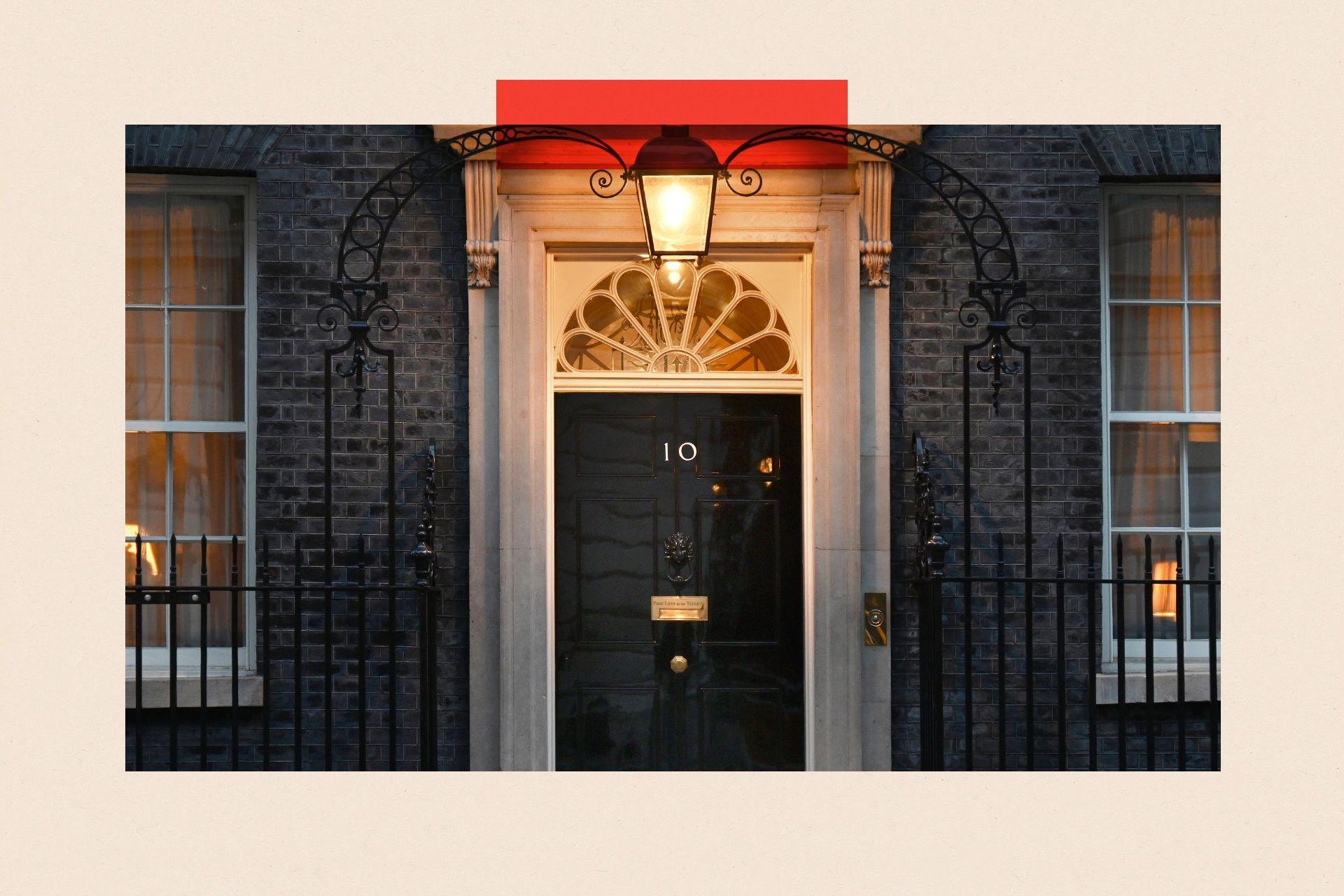
At the same time, party strategists are drawing up priority lists and potential ministerial briefs so that, once the incoming prime minister’s arrival is confirmed, senior appointments can be made without delay. Sources stress this is about ensuring day-to-day government delivery, not finalising a long-term reshuffle.
Who is in the running in Whitehall
Westminster conversation has quickly turned to who will be moved into senior roles. One MP told BBC political editor Laura Kuenssberg it is a “bunfight for jobs” in Whitehall, a phrase widely quoted to capture the intensity of jockeying for influential positions. The line was attributed directly to that MP via Ms Kuenssberg’s reporting.
The phrase underlines how many factions and individuals are assessing opportunities. Coverage points to competing interest from party insiders, experienced ministers seeking portfolios and career Whitehall officials ready to step into senior civil service roles. Commentators stress the outcome will depend on the incoming leader’s policy priorities and on keeping essential departmental functions running.
Officials say lists are being refined, with some names already being informally floated in private discussions. That activity reflects both loyalty contests within party ranks and practical considerations about matching departmental experience to pressing policy files.
What this means for government staffing
The most immediate effect is likely to be a targeted set of staffing changes in departments that touch on the incoming administration’s top priorities. That might mean new faces at ministerial level in a handful of departments and some movement among permanent secretaries or special advisers to align teams with fresh agendas.
Policy impact can be felt quickly when senior teams change. Early appointments often signal which policy areas will receive attention and which will be deprioritised. Observers note that the composition of an incoming leader’s closest advisers can shape the tone and pace of early policy announcements.
At the same time, permanent civil servants play a role in preserving institutional memory and delivery. Officials emphasise that while ministerial teams may change, the civil service structure is designed to maintain services and provide impartial advice during transitions.
Analysts warn there can be friction if too many roles are reshaped at once, potentially slowing delivery while teams settle. Others argue rapid appointments focused on priority areas can accelerate the new administration’s ability to act on manifesto commitments.
What comes next and what to watch
Expect a sequence of cautious, staged announcements. Parties and departments typically finalise personnel lists privately before public confirmations. Journalists will be watching for initial signals: which portfolios receive immediate attention, any high-profile ministerial names, and how quickly interim arrangements are put in place for urgent business.
Key milestones to monitor include an official timetable for the handover; the incoming prime minister’s first public statements; and the first tranche of appointments to ministerial and senior advisory posts. The speed of these steps will be shaped by the incoming leader’s priorities and the need to maintain continuity across government.
Observers will also look for practical signs of transition control: the publication of a handover timeline, notes circulated to permanent secretaries, and the movement of advisers between campaign or party teams and central government offices. Those are indicators of whether the change will be managed incrementally or with a faster, more substantial reshuffle.
The situation remains fluid and reliant on private discussions. Journalists and political correspondents will report developments as names are confirmed and formal steps toward the incoming administration are taken. For now, the emphasis inside Westminster is on preparing a workable handover timeline and ensuring core services continue without interruption.
Source: BBC News – Top Stories. Original reporting: The massive scramble behind the scenes before the new PM arrives. Attribution: the phrase “bunfight for jobs” was used by one MP in remarks reported by Laura Kuenssberg and is cited here as her reporting of that MP’s words.