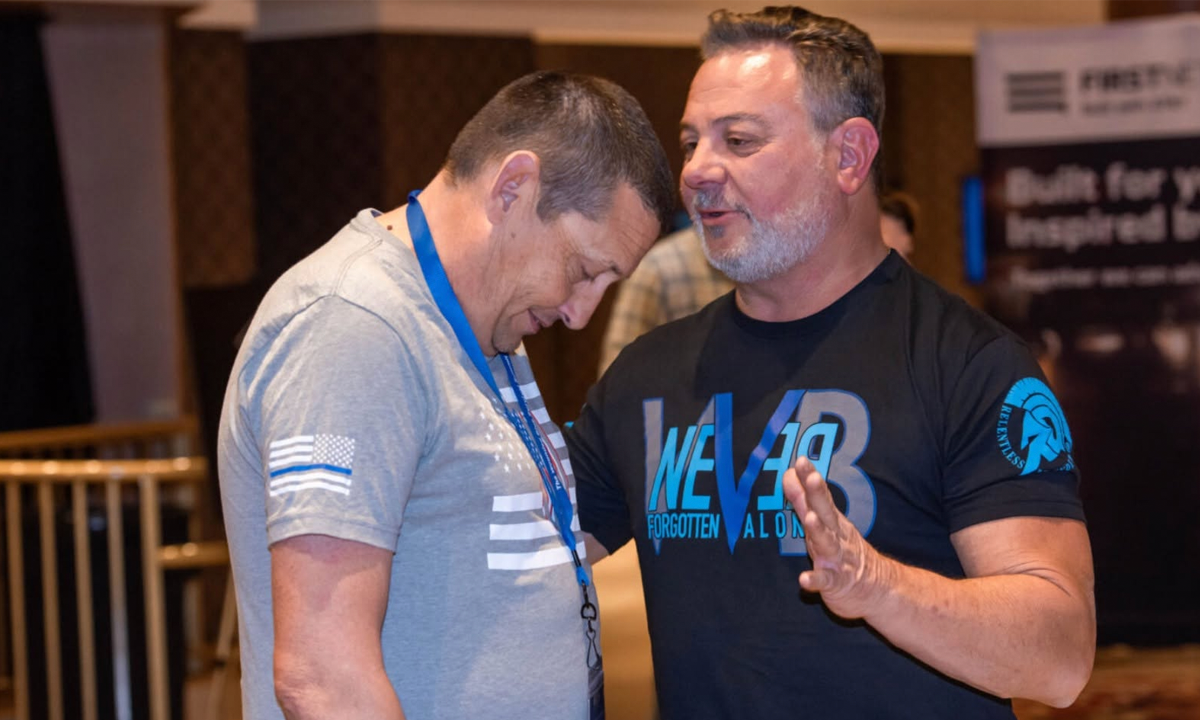
The Wounded Blue began as one man’s answer to a quiet crisis: officers who survive trauma only to find themselves forgotten. Retired Las Vegas Lt. Randy Sutton says his own career-ending stroke and the calls he received afterward made clear that injured and disabled law enforcement officers needed a national, officer-led lifeline.
Sutton founded the organization with a simple motto — “Never Forgotten. Never Alone” — and, he says, built a peer support network that, he estimates, has helped more than 17,000 officers across the country.
What The Wounded Blue does
Sutton describes The Wounded Blue as a nationwide nonprofit focused exclusively on injured and disabled law enforcement officers. He emphasizes the officer-led nature of the work and the group’s motto, “Never Forgotten. Never Alone.” According to Sutton, the organization has grown into a national resource that he estimates has helped more than 17,000 officers through direct aid and peer outreach.
The Wounded Blue coordinates peer-to-peer support, medical and benefit advocacy, equipment funding, home modifications and bedside visits. Sutton told reporters the group’s casework spans medical, psychological and practical needs and that its officer peers shape how each case is handled.
Randy Sutton’s road to founding The Wounded Blue
Retired Las Vegas Lt. Randy Sutton’s founding story is personal and blunt. On patrol one night on the Las Vegas Strip he felt something was terribly wrong, stopped the car and told a partner, “Get me medical. I’m having a stroke.” The event ended his 34-year career and, as he has said to reporters, stripped away much of his identity: “I lost my career.”
During recovery, Sutton began getting messages from fellow officers — survivors of shootings, crashes and other career-changing events — who described a lack of support. Those voices convinced him a national organization was needed. He founded The Wounded Blue to create an officer-led lifeline for people facing life after catastrophic injury.
Real recovery stories and services
The group emphasizes an officer-led peer support team: every member of its peer team is a current or former officer who has navigated serious injury or trauma. Sutton says shared service helps peers communicate needs and navigate benefits more effectively than outsiders might.
One vivid example Sutton shared involved a Utah officer who lost a leg after being struck by a tractor-trailer. Sutton said the officer had been left with a worn prosthetic and limited departmental support. An anonymous donor, whom Sutton calls the “Voice on the Phone,” funded a top-tier replacement prosthetic and helped arrange home renovations so the officer’s family — which had adopted two children with special needs — could have accessible living space.
In Texas, Sutton described a patrolman with a catastrophic spinal injury who endured multiple surgeries and was first given a wheelchair by The Wounded Blue. Through the nonprofit’s partners the officer later connected with a specialist; Sutton said the man ultimately danced with his daughter at her wedding. Sutton also recalled spending nearly a week at the bedside of a Mississippi deputy critically wounded in an ambush, helping coordinate family communication and medical logistics.
Services the group coordinates include prosthetic funding, medical advocacy, adaptive equipment, home modifications, bedside visits, and peer counseling. Sutton stresses officers often seek practical help first — and the organization tries to meet those immediate needs while building longer-term recovery plans.
How the program works and how to get help
The Wounded Blue operates on a peer support model: officers who have lived through similar injuries guide outreach, listen without judgment and help navigate medical and benefit systems. Sutton says peers can offer both technical navigation and the empathy that comes from shared service.
The nonprofit runs the National Law Enforcement Survival Summit, an annual event bringing officers and spouses together to focus on recovery, mental health and life after duty. The summit mixes training, counseling and practical workshops aimed at rebuilding purpose after injury.
Sutton encourages officers and families in need to contact the organization directly. He also invites businesses and donors to partner through targeted giving programs, including the 9-1-1 Campaign, which asks supporters to donate $9.11 a month to sustain peer outreach and emergency aid. “If you’re a law enforcement officer or have been and you’re struggling, contact us,” he said.
Why this matters
Recovery for wounded law enforcement officers stretches beyond the immediate medical crisis. Sutton frames the work as addressing physical, emotional and spiritual fallout so officers do not feel abandoned when they can no longer work. The group’s motto, “Never Forgotten. Never Alone,” is its answer to the isolation many wounded officers report.
By funding prosthetics, facilitating surgeries, renovating homes and deploying peers to hospital bedsides, The Wounded Blue aims to reduce long-term disability and restore dignity. Expanding bedside visits and the summit are priorities because they tackle both recovery and the loneliness that can follow traumatic injury.
Readers who want to help can consider donating to the 9-1-1 Campaign or contacting The Wounded Blue to explore partnerships. Small recurring gifts, the group says, sustain peer outreach and emergency aid that can change outcomes for officers and families.
Frequently asked questions
Who can get help from The Wounded Blue?
Sutton says current and retired law enforcement officers who have been injured or disabled, and their immediate families, can reach out for peer support and resource coordination.
How do I donate to the 9-1-1 Campaign?
The nonprofit asks supporters to give $9.11 a month through its 9-1-1 Campaign. Sutton also welcomes one-time gifts and business partnerships to fund prosthetics, care and summit programs.
What is the National Law Enforcement Survival Summit?
The summit is an annual gathering focused on recovery, mental health and life after a law enforcement career. It offers training, counseling and workshops for officers and their spouses.
Source attribution
This profile was prepared using on-the-record interviews and reporting attributed to Fox News. Original reporting: Fox News, “America’s wounded cops find hope, healing and second chance,” which includes reporting on Randy Sutton and The Wounded Blue.
Source: Fox News — https://www.foxnews.com/us/americas-wounded-cops-find-hope-healing-second-chance-officers-refuse-leave-behind