Pope visits Lampedusa cemetery for migrants
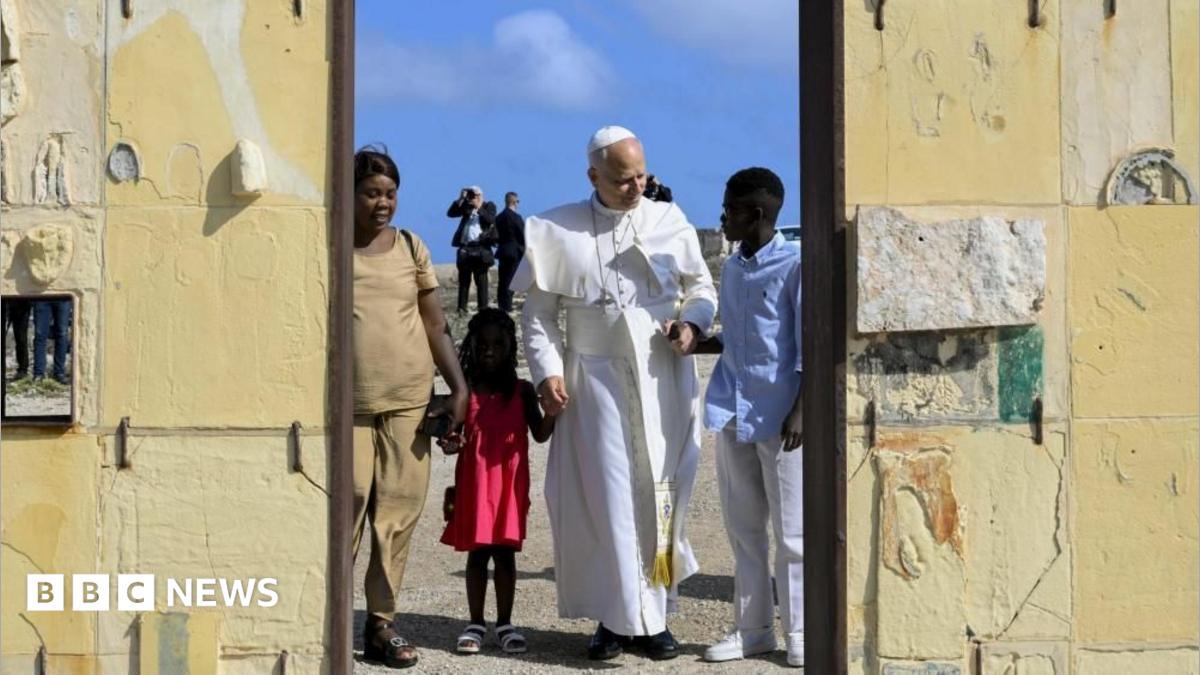
According to BBC News, the pontiff visited the Italian island of Lampedusa to pay tribute to migrants who lost their lives at sea and to urge European governments to “do more” on humanitarian response and safe migration routes.
The visit centred on a cemetery on the island where memorials mark lives lost during Mediterranean crossings. BBC News reports the ceremony was both a moment of remembrance and a public appeal directed at European leaders and citizens.
Why the visit matters for migrants and Europe
The pontiff’s presence on Lampedusa adds moral weight to debates about migration policy, shifting attention from abstract statistics to the human cost of sea crossings. BBC News frames the visit as a call for greater compassion and practical action from European states.
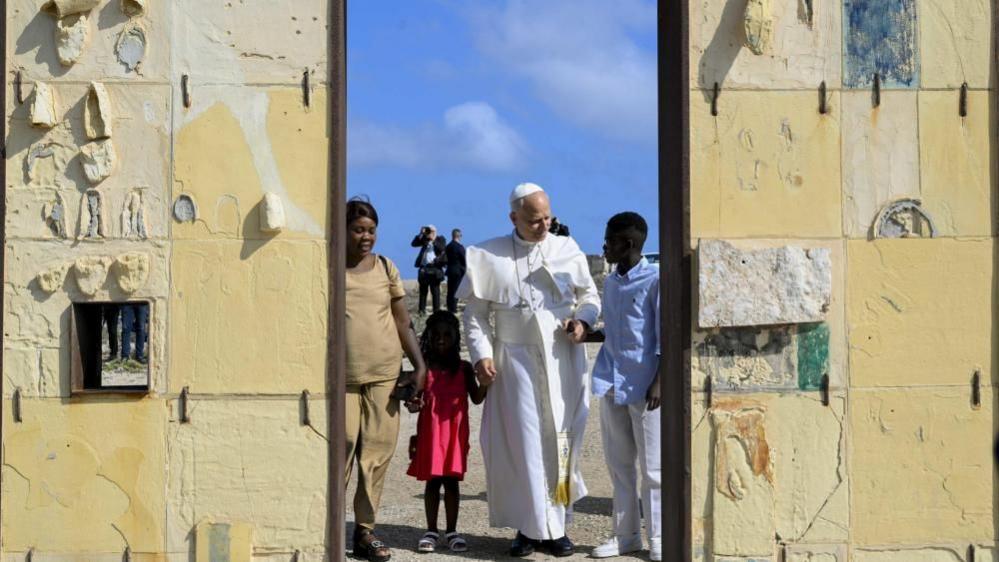
That moral framing can influence public conversation and political agendas. By commemorating people who died en route to Europe, the pope highlighted that migration is not only a political or security issue but also a humanitarian one with immediate life‑and‑death stakes.
Migration context: sea crossings and Lampedusa’s role
Lampedusa lies closer to North Africa than to mainland Italy and has long been a first point of arrival for many attempting to cross the central Mediterranean. The island’s geography and limited reception capacity make it a focal point in the regional migration picture.
Migrant deaths at sea remain a persistent and tragic reality. Humanitarian agencies and authorities track incidents, but reporting gaps mean official tallies may understate the full human toll. The cemetery on Lampedusa has become a visible reminder of those losses and of the longer history of crossings through this route.
Local responders, volunteers and charities frequently assist arrivals and coordinate immediate needs such as medical care and shelter. Those on‑the‑ground realities shape how island communities experience repeated arrivals and why Lampedusa has emerged in public debate about Mediterranean migration.
What could come next: policy and humanitarian response
The pope’s plea that Europe “do more” does not prescribe a single policy, but it highlights gaps that could be addressed through multiple, complementary steps. Possible responses include expanding safe and legal pathways, strengthening search and rescue capacity, and improving reception and processing on arrival.
Humanitarian organisations emphasise urgent needs like timely medical care, psychological support, and fair, efficient asylum procedures. Local authorities also call for more predictable and coordinated assistance from national governments and EU institutions to ease pressure on island reception systems.
Turning moral appeals into policy requires political consensus, funding and cross‑border cooperation. The visit may increase public attention and political goodwill, but durable changes will depend on concrete proposals and coordinated implementation across several countries.
Local details and community impact
Residents and local officials say repeated arrivals place strain on small island services and infrastructure. Limited hospital capacity, housing shortages and logistical challenges all shape the local response to new boat landings.
At the same time, local volunteers and civic groups often lead immediate aid efforts, helping with reception, registration and short‑term care. These grassroots responses reflect both humanitarian concern and practical necessity in a place with constrained resources.
Source and further reading
This account is based on reporting by BBC News. For the original detailed report, see the BBC News report.
For wider background on Mediterranean migration trends and humanitarian responses, see the UNHCR Mediterranean updates and the IOM Missing Migrants project.
FAQ
What happened with migrants?
The pontiff visited Lampedusa and paid tribute at a cemetery to migrants who lost their lives at sea. BBC News reports his visit aimed to draw attention to the ongoing humanitarian consequences of irregular sea crossings.
Why do migrants matter?
The human losses at sea and the pressures on reception systems make migration a humanitarian and political concern. The pope framed migration as a moral issue, urging European countries to prioritise both rescue and reception.
What happens next?
Possible responses include increased search and rescue resources, more legal pathways for safe arrival, improved reception on islands like Lampedusa, and enhanced coordination among European states. Implementation depends on political agreement, funding and cross‑border cooperation.
Source: BBC News. The BBC report is the primary source for reporting in this article.