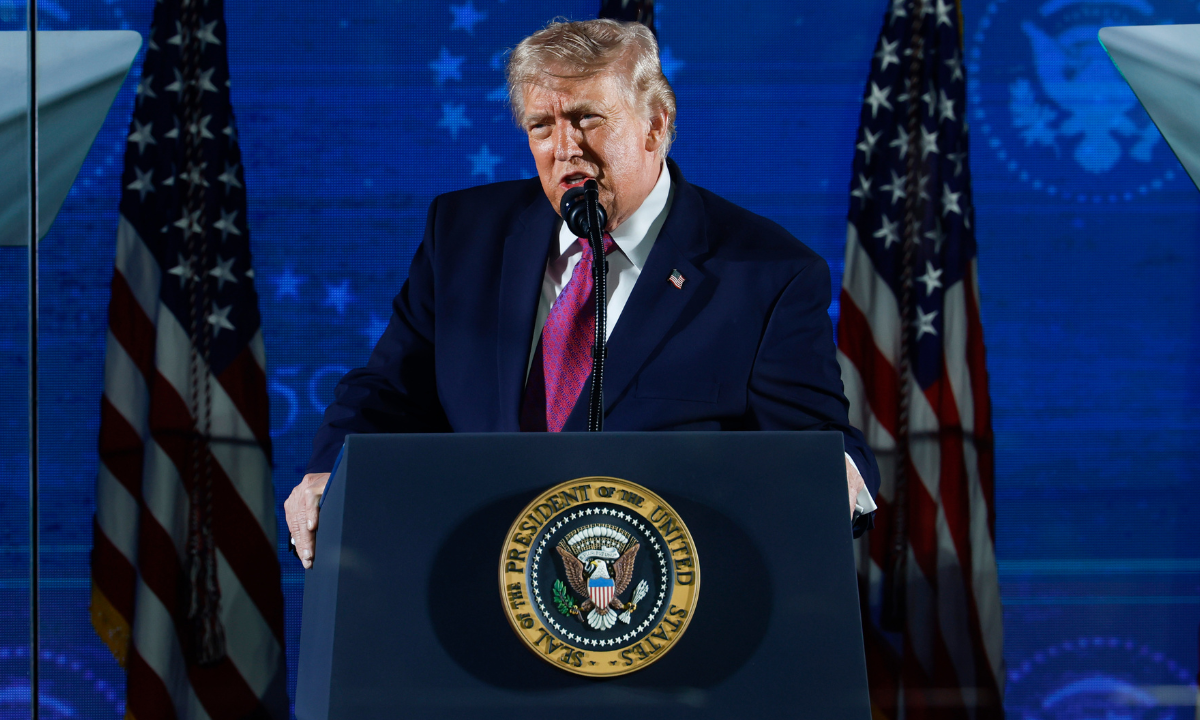
President Donald Trump on Friday issued pardons for nine people convicted of tampering with diesel vehicle emissions-control systems, a set of clemencies his account described as “Trump pardons diesel emissions convictions” when he announced six of them on Truth Social. The announcements were posted on Truth Social and were summarized in Fox News reporting and public notices.
The pardons included diesel mechanics and tuners prosecuted for selling or installing so-called “defeat devices.” White House statements framed the clemencies as relief for small-business operators and technicians who said the devices prevented trucks from entering restrictive limp modes in cold conditions.
What Trump announced — Trump pardons diesel emissions convictions
The president posted six of the pardons on Truth Social and granted three more in accompanying official actions, according to public notices and reporting. In total, nine people received clemency for convictions tied to altering emissions systems on diesel vehicles, according to media coverage and court records.
The White House emphasized the economic and reliability impacts on farmers, truckers and small fleets. The administration also announced it would not pursue criminal prosecutions of manufacturers, distributors or users of defeat devices, while leaving civil penalties and regulatory enforcement on the table.
Who was pardoned
Public notices, court records and reporting identified the nine individuals as mechanics, tuners and company operators convicted or who pleaded guilty in cases tied to selling or installing illegal tuning devices. Those named in reporting include:
- MacKenzie “Mac” Spurlock — mechanic and owner of Matanuska Diesel in Alaska.
- Matthew Geouge — ran companies that sold illegal tuning devices; plea agreement cited significant device sales.
- Ryan Lalone and Wade Lalone — mechanics cited in court filings and media coverage.
- Tim Clancy.
- Joshua Davis.
- Barry Pierce.
- Aaron Rudolf.
- Jonathan Achtemeier.
Eight of the nine were identified in federal court records as mechanics or tuners prosecuted for selling or installing devices that reprogram trucks to avoid emissions controls and suppress diagnostic warnings.
How defeat devices and DEF failures work
Defeat devices are hardware or software changes that allow a diesel engine to bypass emissions controls required under the Clean Air Act. They can prevent a vehicle’s emissions system from triggering fault codes and can stop a truck from entering a protective “limp mode.”
Limp mode is a manufacturer safety feature that limits engine power and speed when the emissions control system needs repair. Owners and mechanics sometimes seek tuning work or devices to avoid limp mode because it can severely restrict vehicle operation until the emissions system is fixed.
Diesel Exhaust Fluid (DEF) systems—part of selective catalytic reduction systems that reduce nitrogen-oxide pollution—are sensitive to cold. DEF freezes at about 12°F (-11°C) and vehicle systems rely on heaters and sensors to keep dosing systems working; when sensors or dosing equipment fail in extreme cold, trucks can trigger warnings or lose functionality. EPA and vehicle makers advise insulated storage and heated plumbing for DEF in cold climates.
Why this matters in cold states like Alaska
Alaska officials, fleet managers and business owners have pointed to frequent DEF-related breakdowns as a significant operational challenge in subzero weather. State and local operators report DEF and associated sensors are a major source of maintenance calls in extreme cold.
Sen. Dan Sullivan (R-Alaska) publicly celebrated the pardon for Mac Spurlock, saying the shop’s work helped prevent vehicles from shutting down in harsh conditions. Sullivan’s comments and public statements about enforcement actions against Matanuska Diesel were cited in media reports and public records.
Supporters argue that local climate conditions and one-size-fits-all enforcement make some emissions systems impractical without local adjustments. Critics caution that tampering with emissions controls undermines clean-air safeguards and may violate federal law.
Legal and policy implications
The pardons arrive amid a broader policy shift. In late January 2026 the administration said it would not pursue criminal charges against manufacturers, distributors or users of defeat devices, while leaving civil enforcement as an option.
That change could reduce criminal prosecutions of people who sell or install defeat devices. But civil penalties, product recalls or enforcement actions by the Environmental Protection Agency can still apply and may include fines, injunctions or remedial measures under federal environmental laws.
Prosecutors in past cases relied on the Clean Air Act and court filings that described device sales, revenues and the methods used to suppress diagnostic warnings. Reporting noted at least one plea agreement cited more than $10 million in revenue tied to illegal tuning-device sales for the company involved.
Frequently asked questions
What is a defeat device and why are they illegal?
A defeat device alters a vehicle to bypass emissions controls required by federal law. They are illegal because they allow engines to emit pollutants above regulated limits and remove diagnostic safeguards intended to ensure compliance with emissions standards.
Do these pardons stop civil penalties or EPA enforcement?
No. A presidential pardon can forgive federal criminal convictions but does not eliminate civil liability. The Environmental Protection Agency and other agencies retain authority to seek civil penalties, injunctions or other remedies under environmental laws.
Will these pardons affect diesel vehicle reliability in cold weather?
The pardons themselves do not change vehicle engineering. They may influence how enforcement is pursued and how mechanics and fleets respond to DEF and emissions-system problems in cold climates. Technical fixes for DEF reliability—insulation, heaters and proper sensor maintenance—remain an engineering and maintenance challenge.
Source attribution
This report is based on public notices, court records and media reporting, including the Fox News article summarizing the pardons: Trump pardons 9 people convicted of tampering with emission controls on diesel engines. Additional sources cited include the Truth Social announcements from President Trump, public statements by Sen. Dan Sullivan, and EPA guidance and manufacturer materials on DEF handling and cold-weather precautions.
Where applicable, claims about plea agreements, revenues and past enforcement actions are attributed to court records and the cited reporting.