Hundreds of groups joined Pride London on Saturday, underscoring the event’s scale and community reach. The BBC reported that supporting Pride London is now “more important than ever,” a phrase organisers and participants used to describe why turnout and institutional backing mattered on the day.
The parade brought together charities, grassroots community groups and a wide range of companies. Marchers and onlookers filled central London streets, turning the event into a visible statement of solidarity for LGBT+ causes and a platform for public-facing outreach.
What happened at Pride London
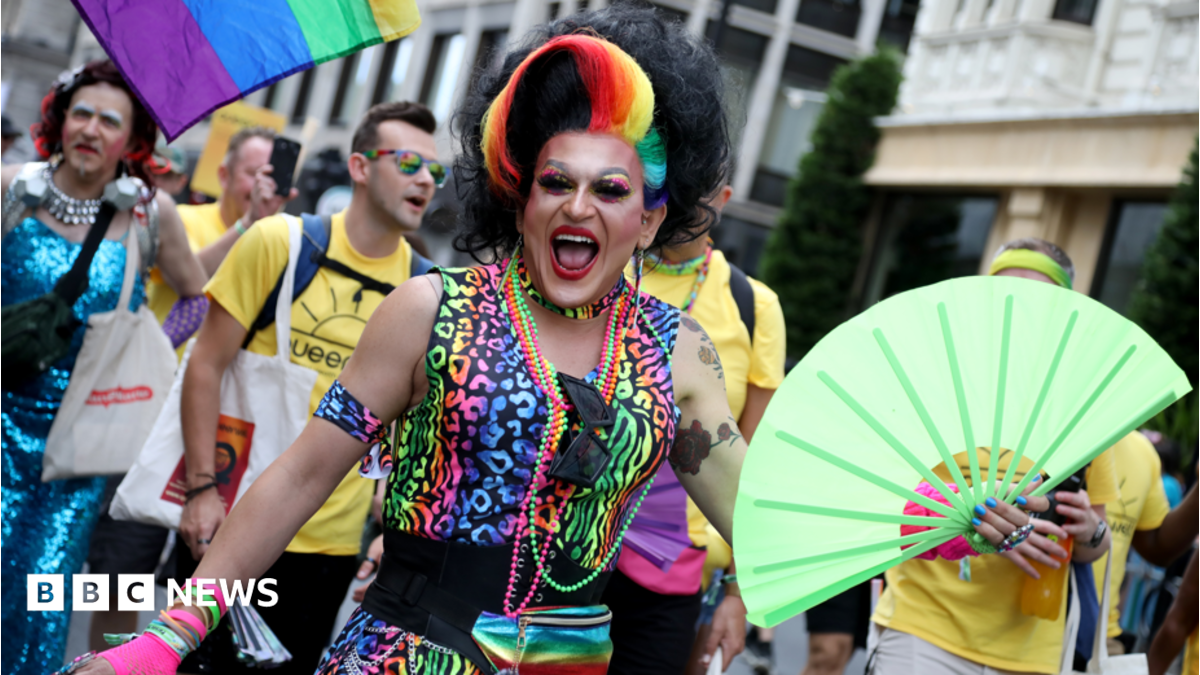
The parade moved through central London on Saturday, with large crowds lining the route and organised contingents progressing in sequence. Organisers said hundreds of charities, community groups and companies took part, producing a mix of celebratory floats, banners and practical information stalls.
Many contingents staged performances or carried clear signposting to services, while other groups used the route to highlight specific campaigns. The atmosphere combined festival elements with public campaigning — a pattern that made the event both a celebration and an occasion for service promotion.
Who took part
Participants ranged from established national charities to smaller, local community organisations and faith-based or identity-specific networks. The presence of voluntary groups alongside national organisations emphasised the event’s role as a place for outreach and direct support.
Community groups included volunteers, youth networks and neighbourhood support projects that used the parade to connect with people who might need advice, signposting or practical services. Their involvement kept visible the grassroots work behind many LGBT+ support systems.
Companies also joined in various ways. Some marched with staff and branded banners, others provided logistical or financial support. For many firms, taking part combined internal inclusion efforts with a public-facing statement of support.
Why support is described as “more important than ever”
The BBC used the phrase “more important than ever” to describe backing for Pride London. That wording, quoted from reporting, reflects concerns organisers highlighted about ongoing challenges facing LGBT+ communities and the continuing need for visible solidarity.
Organisers and some participants pointed to pressures such as strained access to services, a difficult public debate in parts of the country, and the risk that visibility and support could wane. The BBC’s framing captures organisers’ view that sustained public and institutional support helps keep these issues on the agenda.
Because this description comes from BBC reporting, references to the phrase and to organisers’ concerns are attributed to that source rather than presented as independent new findings.
How charities and companies showed support
Charities used the parade to promote services, recruit volunteers and raise awareness about helplines or local support programmes. Many handed out information, staffed nearby stalls and used floats to showcase frontline work to a large audience.
Community groups took leading roles in organising contingents, coordinating volunteers and staging short performances or demonstrations to draw attention to specific campaigns. For smaller organisations, the parade offered a rare high-footfall opportunity to reach people directly.
Corporate participation varied: some firms sponsored elements of the day or provided practical support such as stewarding, water stations or first-aid volunteers. Others encouraged staff to march as part of workplace inclusion initiatives and to visibly back organisational diversity networks.
Together, these activities helped create a public message that LGBT+ inclusion is supported by a broad mix of charities, civil society and private-sector actors.
What this looked like on the ground
Marching groups carried banners and signs, floats added colour, and performers punctuated the route with music and choreography. Volunteers from charities handed out leaflets and directed people to information points, while visible branded teams from companies joined some contingents.
Smaller organisations used face-to-face conversations to explain services and recruit volunteers; larger groups capitalised on the event’s reach to share resources more widely. For many attendees, the mix of celebration and practical outreach defined the day’s purpose.
Key takeaways
• Hundreds of charities, community groups and companies took part, combining celebration with outreach and campaigning.
• The BBC described support for Pride London as “more important than ever,” reflecting organisers’ concerns about sustaining services and visibility.
• Participation ranged from grassroots volunteering to corporate inclusion activities, together reinforcing public backing for LGBT+ causes.
FAQs
What happened with Pride London?
The parade took place on Saturday, with hundreds of charities, community groups and companies taking part. The event mixed celebration with public-facing campaigning and outreach.
Why does Pride London matter?
Organisers and participants say Pride London is important for visibility and for highlighting ongoing challenges facing LGBT+ people. Public support helps charities and community services reach people who may need them.
What happens next?
Following the parade, many groups will continue outreach and advocacy work. Charities typically use the visibility to recruit volunteers and raise awareness, while companies may follow up with internal inclusion initiatives and sponsorship commitments.
Source: BBC News – Top Stories. Reporting and the phrase “more important than ever” are attributed to BBC coverage of the event: https://www.bbc.co.uk/news/articles/cvgqlplpyyqo?at_medium=RSS&at_campaign=rss