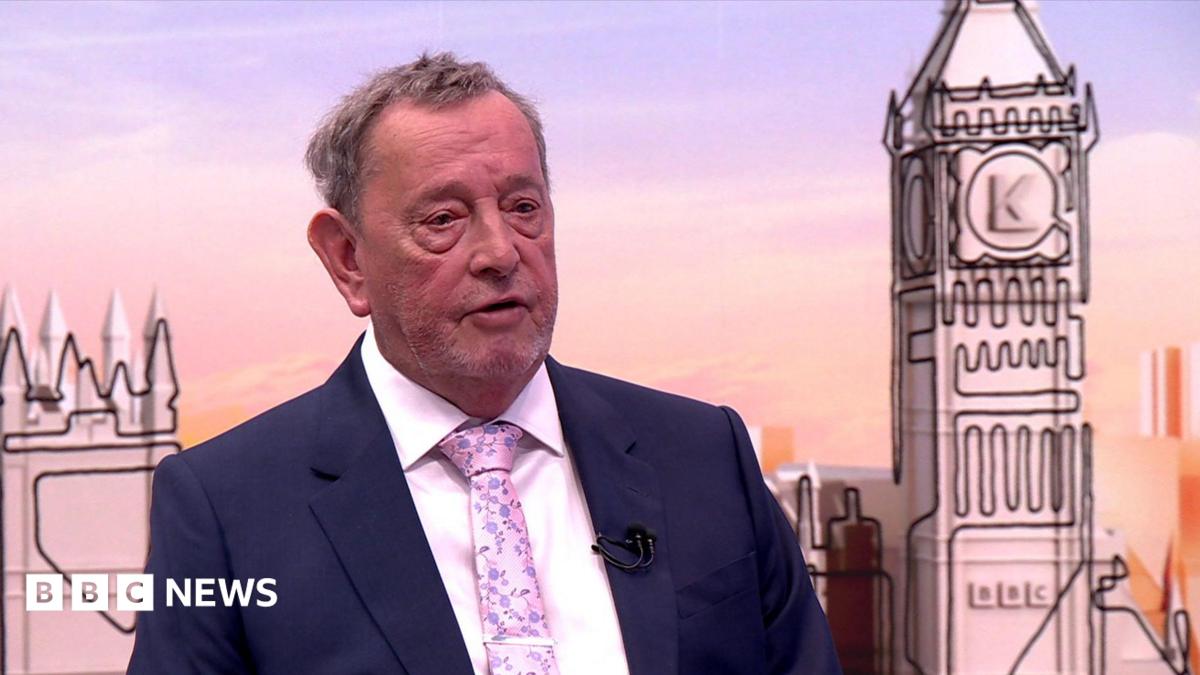
A co-authored report, discussed in an interview on BBC News, concludes that police leadership in England and Wales needs an “ethical reset” and that the running of forces requires a “fundamental overhaul.” BBC News reported the interview and summary findings; the analysis below explains the report’s main points, Lord Blunkett’s comments to the BBC and what the recommendations could mean for governance and oversight.
Quick summary
The co-authored report finds systemic problems in how police forces in England and Wales are governed and run, calling explicitly for a “fundamental overhaul.” Lord Blunkett, a former home secretary and one of the report’s co-authors, told the BBC the situation requires an “ethical reset” of police leadership. The report focuses on weaknesses in governance, senior decision-making and public accountability, and it recommends reforms intended to restore public confidence.
What the report found
The document frames the issues as structural and cultural rather than isolated incidents within individual forces. It argues that gaps in governance and oversight can allow poor decisions and misconduct to persist, because current arrangements do not consistently produce timely external intervention or clear accountability for senior officers.
Key themes in the report include inconsistent standards across forces, unclear lines of responsibility when things go wrong, and disciplinary or performance mechanisms that are too slow or opaque. The authors say these problems compound one another: weak governance allows problematic behaviours to persist, and cultural norms at senior levels can normalise practices that diminish public trust.
Rather than focusing only on resources or operational tactics, the report emphasises the need to change how police leaders are appointed, held to account and sanctioned. It describes remedies that range from revised appointment and vetting procedures to strengthened external oversight and clearer escalation protocols for persistent governance failures.
Lord Blunkett on police leadership
Lord Blunkett, who co-authored the report, told the BBC that the findings point to a need for an “ethical reset” of police leadership. He framed the issue as one of values and judgment at senior levels: leadership decisions are not purely technical but reflect the standards that organisations set for their most senior figures.
In the BBC interview, Blunkett argued that restoring public confidence will require more than cosmetic change. He urged clearer lines of responsibility, quicker and more transparent disciplinary pathways for senior officers, and safeguards to protect the independence of investigations where leadership failures are alleged. Those remarks echo the report’s broader contention that governance and culture must change together.
Background on the report and authors
The report is described as co-authored and includes Lord Blunkett among its contributors. The BBC coverage provides the summary and quotes cited here; full authorship details and the report text set out the specific recommendations and evidence base. Readers should consult the original BBC story and the report itself for the full list of contributors and the methodology used to reach these conclusions.
Implications for police forces and oversight
If its recommendations are taken forward, the report could prompt practical changes across policing governance in England and Wales. Potential reforms include tighter and more uniform vetting and appointment procedures for chief officers, the establishment of independent appointment panels, and clearer statutory duties defining who is accountable for catastrophic or systemic failures.
Oversight bodies — including inspectorates, the College of Policing and national representative organisations — may be asked to adopt new standards or to monitor compliance with revised governance protocols. The report also recommends strengthened protections for whistleblowers and routine, independent audits of senior-level decision-making to reduce the risk of entrenched poor practice.
Any shift toward greater national oversight or standardisation will raise questions about local democratic control of policing. The report recognises this tension: reform architects will need to balance the benefits of consistent national standards against the principle that policing priorities should reflect local needs and elected governance arrangements.
Reactions and next steps
Formal responses are likely to include parliamentary scrutiny, consultation with policing stakeholders and engagement from the Home Office. The report’s authors and Lord Blunkett have presented their findings as a prompt for urgent debate rather than a prescription that must be adopted immediately.
Operationally, steps could include targeted pilots to test governance changes, independent reviews of senior appointment practices and amendments to disciplinary frameworks. Implementation, if pursued, would depend on political will, legal constraints and the willingness of policing organisations to accept change.
Different stakeholders will weigh the trade-offs: campaigners and some politicians may push for rapid central standards, while police leaders and local authorities may warn that heavy-handed reform risks undermining local accountability and community relationships. The report is therefore likely to generate a contested public and political conversation before any statutory reforms are agreed.
Expert reaction and balance
The report adds to an ongoing debate about how best to ensure accountability for senior police leadership. Practical experts and representative bodies will be key to translating high-level recommendations into workable policies. Any reform programme would need to be legally robust, politically sustainable and operationally deliverable to avoid creating new gaps in oversight.
Because the report addresses both structural arrangements and moral expectations, its authors call for measures that combine enforceable rules with cultural change programmes — a mix of external checks and internal leadership development designed to embed higher standards of conduct and judgement.
Source attribution
This article is based on reporting by BBC News: Police leadership needs ‘ethical reset’, Lord Blunkett tells BBC. The quotations and characterisations of the report reflect the BBC’s coverage of the interview and the co-authored document.
Risk note: the claims summarised here are presented in the co-authored report and in Lord Blunkett’s interview with the BBC. They reflect the authors’ assessments and interview comments and do not constitute independent confirmation of every factual claim or predicted outcome.