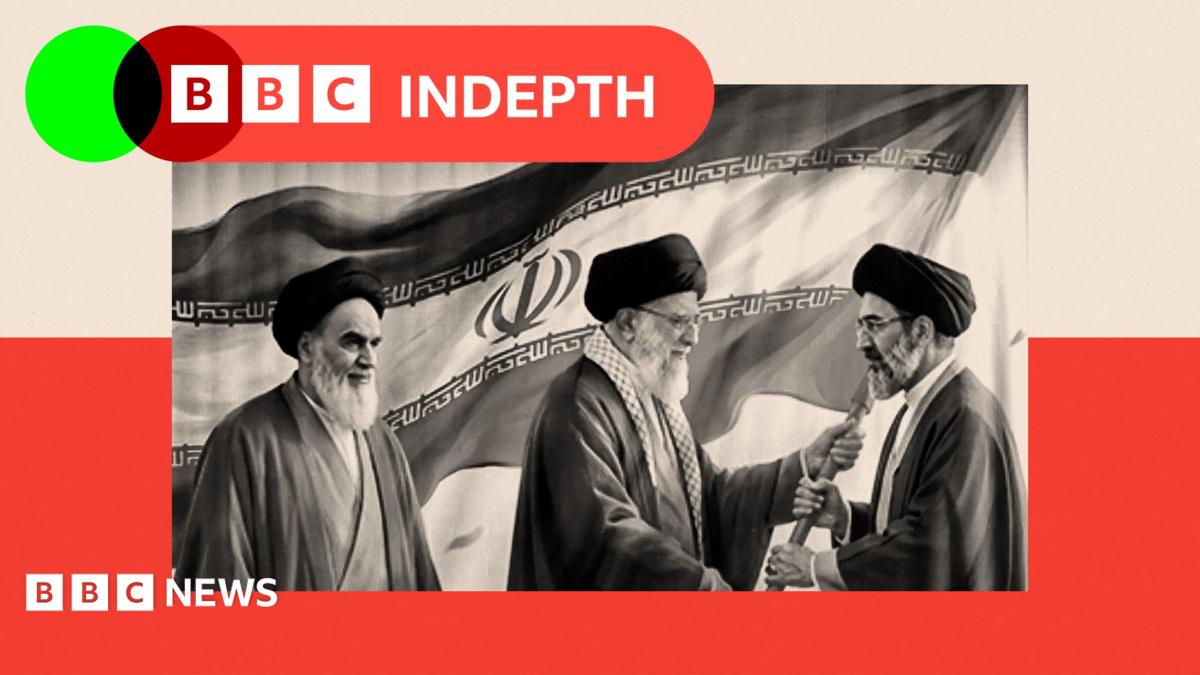
The BBC reported that Khamenei’s funeral was presented as “another reminder of the change Iran has seen,” and commentators have taken that moment as a cue to read Iran’s new regime in a fresh light. This analysis summarises the BBC findings, highlights concrete personnel and institutional shifts, and sets out measured hypotheses about what the new leadership might pursue.
This is an analytical summary based on BBC reporting and contemporaneous coverage, not an exhaustive account. Interpretive claims are framed as provisional and will need to be tested against future actions and appointments.
What BBC reported and why it matters
The BBC’s reporting emphasises that the imagery, tone and messaging around Khamenei’s funeral were used to signal both continuity with the past and the presence of a different cohort of leaders. That framing is significant because high-profile public events help shape domestic expectations and international perceptions of intent.
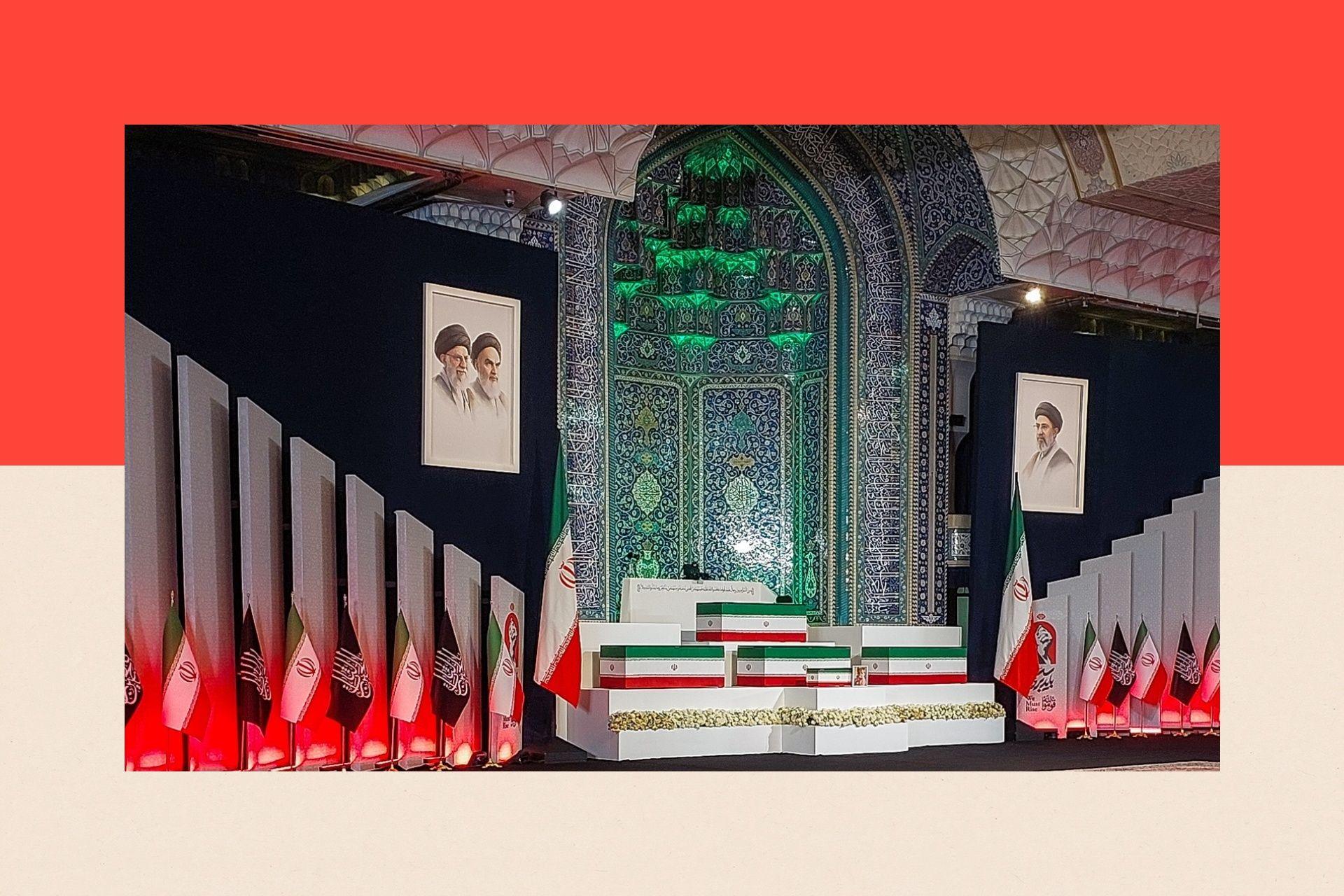
Official ceremonies, carefully staged media coverage and selective visibility for particular figures can do political work: they create narratives about legitimacy, succession and the character of authority. The BBC frames the funeral as a focal point where narrative and personnel visibly intersect.
How Iran’s new regime has changed
Observers point to several concrete markers that make Iran’s new regime appear different from what came before. These are descriptive observations drawn from reporting rather than claims about motive.
Personnel turnover is one clear signal. Senior positions have been filled by figures with different career paths and networks compared with the previous period; who occupies ministries and security posts affects priorities in both domestic policy and external messaging.
Style and ritual have shifted. State media choices, the staging of public ceremonies and the images promoted at events such as the funeral are being used to project a narrative of renewal and generational change.
Institutionally, reporting notes a recalibration of emphasis within state bodies: how unity is presented, which institutions are foregrounded in messaging, and how the leadership manages internal dissent and patronage networks. Taken together, these markers are what analysts mean when they say the regime “looks different,” even if many formal structures remain continuous with the Khamenei era.
What the new leadership might want
Asking what Iran’s new leadership wants is inherently interpretive. The BBC raises that question and outlines possible aims; this article sets out hypotheses and links them to observable signals, while making clear these are not definitive claims.
One plausible aim is consolidation of internal authority. New appointees and visible ceremonies can be tools to build a governing coalition and reassure segments of the security and clerical establishments. Another is reshaping public messaging to shore up legitimacy at home, particularly among younger or more urban constituencies.
A third hypothesis is careful calibration of foreign policy. New messaging and personnel choices could reflect an intent to test international responses—probing diplomatic levers, reopening channels in some areas while maintaining hardline stances elsewhere. Reporting points to symbolic moves and personnel profiles as possible evidence, but stresses that symbolism does not always translate into immediate policy shifts.
Each hypothesis should be evaluated against concrete actions: specific ministry decisions, changes in command or directives from security institutions, and actual diplomatic moves. Observers emphasise the need for sustained monitoring to distinguish between short-term messaging and durable strategic change.
Regional and international implications
Changes in Tehran affect neighbours and wider diplomacy. For regional actors, a shift in leadership style can alter how Iran manages proxy relationships, cross-border tensions and security communications across the Gulf and Levant.
For external powers and regional partners, personnel and tone matter because they shape bargaining positions on negotiations, sanctions relief, nuclear diplomacy and security cooperation. New faces in key posts or a retooled communications strategy will be read as signals that may prompt recalibration of policy and posture by other states.
That means governments and institutions will watch both symbolic events and concrete policy outputs to update their assessments. Analysts warn against overreacting to imagery alone; the durable test is action.
What comes next
Near-term developments to monitor provide practical ways to test the BBC’s framing and the hypotheses above.
- Appointments: who fills security, foreign policy and economic roles will indicate the balance of influence.
- Policy decisions: any substantive shifts in negotiations, sanction responses or regional posture will be key evidence.
- Messaging: whether state media and official ceremonies continue to emphasise renewal and which figures are given public prominence.
- Behavioural signals: changes in communications with neighbours, variations in proxy activity, and public statements from partners responding to Tehran.
Reporters and analysts will combine coverage of these items with independent reporting on-the-ground to judge whether observed changes reflect long-term strategic reorientation or a period of rebranding and consolidation.
Key takeaways
• The BBC frames Khamenei’s funeral as a public reminder of change; that framing shapes how analysts read the new governing cohort.
• Concrete markers — personnel choices, stylistic shifts and institutional emphasis — underpin claims that Iran’s political landscape looks different, though many formal structures remain intact.
• Hypotheses about the leadership’s aims (consolidation, messaging overhaul, calibrated foreign policy) remain provisional and require testing against future actions.
• Neighbours and international actors will respond to both symbols and substance; monitoring appointments, messaging and policy moves will be essential.
This analysis is based on reporting from BBC News and contemporaneous coverage. For the original report and full context, see the BBC story linked below.
Source: BBC News – Top Stories