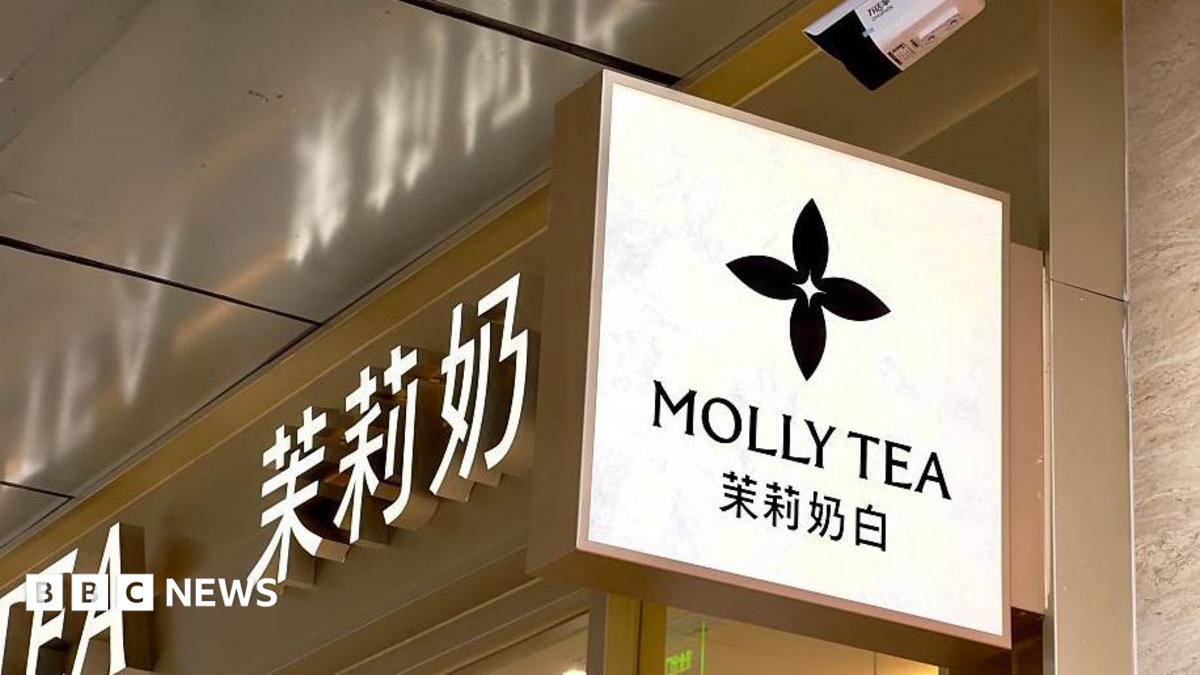
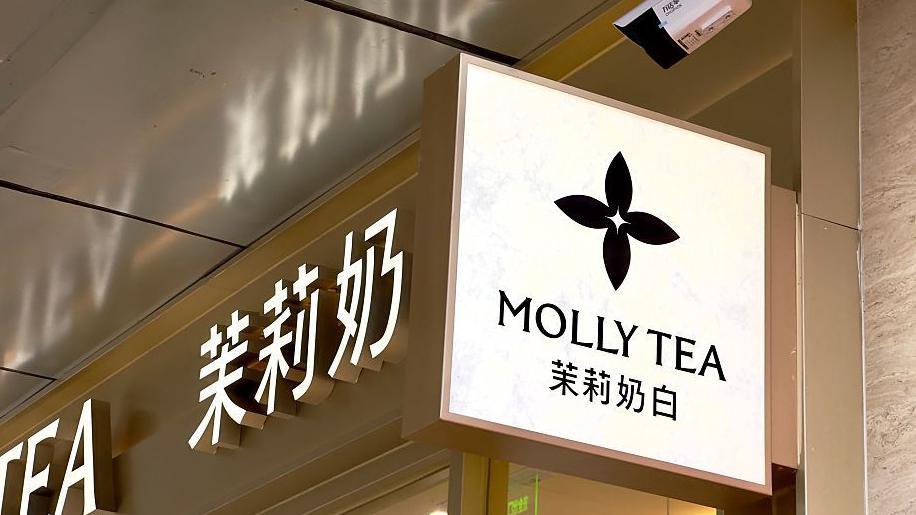
A Chinese court has ruled that Molly Tea infringed the four-petal flower design owned by luxury house Louis Vuitton and ordered the bubble tea chain to pay $1.5m. The decision, reported by BBC News – Business, found that Molly Tea’s use of a flower-like motif created a likelihood of consumer confusion with Louis Vuitton’s registered visual mark.
What the China court decided for Molly Tea
The court concluded that elements of Molly Tea’s shop signage and product motifs were sufficiently similar to Louis Vuitton’s four-petal flower to amount to trademark infringement. Judges ordered Molly Tea to stop using the disputed motifs and to pay Louis Vuitton $1.5m, a figure reported by BBC News – Business.
This is a final decision at the level reported in the media account; it reflects the judgment documented in the original BBC report rather than an extrajudicial allegation. The ruling focuses on the likelihood of confusion among consumers created by the visual similarities between the marks.
Why Louis Vuitton said the design was protected
Louis Vuitton’s claim centred on its four-petal flower motif, a long-standing element of the luxury group’s visual identity. The company argues that the motif is a registered trademark and that unauthorised use of a substantially similar flower could dilute its brand or mislead consumers about the origin of goods or services.
Trademark law generally protects distinctive signs used to identify the commercial origin of goods and services. In infringement claims, courts assess factors such as the visual similarity of marks, the similarity of goods or services, and whether consumers are likely to be confused about what they are buying. Louis Vuitton framed its case on these established principles, asking the court to enforce its registered rights in the four-petal flower.
Public reaction and backlash
The ruling provoked public discussion and backlash online, as reported by BBC News – Business. Commentary ranged from questions about the proportionality of the penalty to debate over whether the contested motif was sufficiently distinctive to warrant such a ruling. Some social media users and commentators expressed surprise at the size of the payment ordered, while others supported enforcement of established trademark protections.
Media coverage has focused on these public reactions and on what the decision signals for branding in China. Reporting to date attributes the backlash to public commentary and does not indicate formal new legal challenges beyond the case discussed in the judgment.
What this means for brands and retailers in China
The decision carries practical lessons for companies operating in China or selling into the Chinese market. First, it underscores that courts in China will entertain trademark enforcement claims brought by well-known brands when they present evidence of similarity and potential consumer confusion. Second, it highlights the commercial cost of losing such cases: the combination of a cease-and-desist order and a monetary penalty creates immediate financial and operational consequences for smaller retailers.
Brands and retailers should therefore prioritise early IP clearance for logos, motifs and store signage. That includes conducting trademark searches, assessing design distinctiveness against known registered marks, and documenting the design process to show independent creation where appropriate. For international brands, the ruling is a reminder that local enforcement mechanisms are active and can produce significant judgments in favour of trademark owners.
Next steps and possible appeals
After a judgment of this type, the losing party—here, Molly Tea as reported—may seek to appeal within the Chinese judicial system. Appeals are common in commercial litigation and can focus on factual findings, the legal standard applied, or the interpretation of similarity between marks. Outcomes on appeal can range from upholding the original decision to modification of remedies or a full reversal, depending on the appellate court’s findings.
Observers and stakeholders should watch for filings by either party that clarify whether the $1.5m payment stands, whether the injunction on the use of the motifs will be adjusted, or whether the parties agree a settlement. Equally important to monitor is whether Molly Tea changes its branding or signage in response to the ruling, which would affect enforcement timelines and consumer-facing operations.
Business readers’ takeaway
For brand managers, retailers and advisers, the ruling is a prompt to: (1) review current branding and signage for potential conflicts with registered marks in key markets; (2) ensure trademark registrations are up to date in countries of operation; and (3) prepare a response plan for enforcement risk, including budget contingencies and legal strategy for appeals or settlements. Taking these steps reduces the chance of disruptive enforcement action and limits commercial exposure.
From a retail perspective, designers and franchise operators should incorporate IP clearance into pre-launch checklists and contractual obligations with suppliers and franchisees to avoid downstream liability.
By the numbers
- $1.5m — the payment the court ordered Molly Tea to make to Louis Vuitton, as reported by BBC News – Business.
- One — the court ruling finding that a design resembling the four-petal flower amounted to infringement, in the case as reported.
FAQ
What did the China court rule?
The court ruled that Molly Tea infringed the Louis Vuitton four-petal flower design and ordered the chain to stop using the disputed motifs, according to BBC reporting.
How much does Molly Tea have to pay?
The court ordered Molly Tea to pay $1.5m to Louis Vuitton, as reported by BBC News – Business.
Does this affect other stores using similar designs?
The ruling signals that courts may find in favour of trademark owners when designs are seen as similar enough to cause consumer confusion. Other stores using comparable motifs could face legal risk, depending on the facts and any enforcement actions taken.
Source and further reading
This report is based on coverage by BBC News – Business. For the original account of the ruling, see: BBC News – Business.