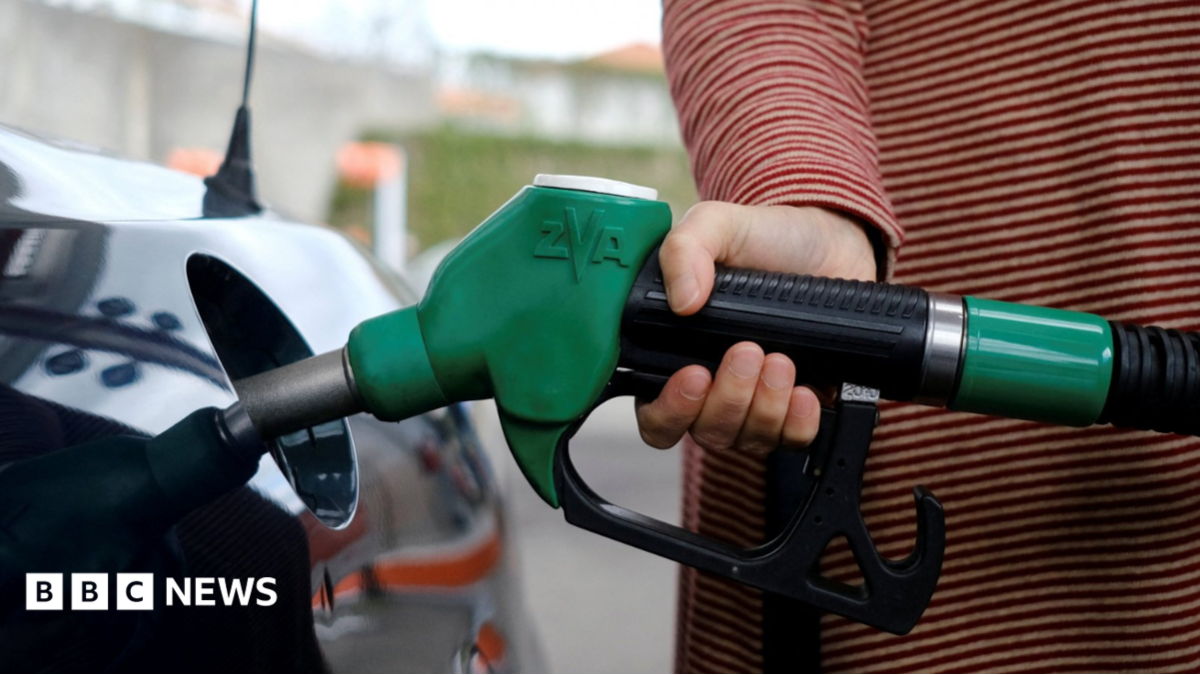
Rubis and ATF Fuels have told BBC News they expect fuel price reductions in time. The suppliers said market movements and cost indicators make further cuts possible, though neither firm set a guaranteed timetable or precise figures for any retail price changes.
Their comments act as an early signal for consumers that downward pressure on pump prices could be building, but they reflect company expectations rather than independent confirmation.
What companies said about fuel price reductions
Both Rubis and ATF Fuels were quoted by BBC News – Business saying they anticipate price reductions may come through to motorists. The firms framed the outlook as contingent on market conditions rather than a fixed commitment to lower pump prices by a specific date or amount.
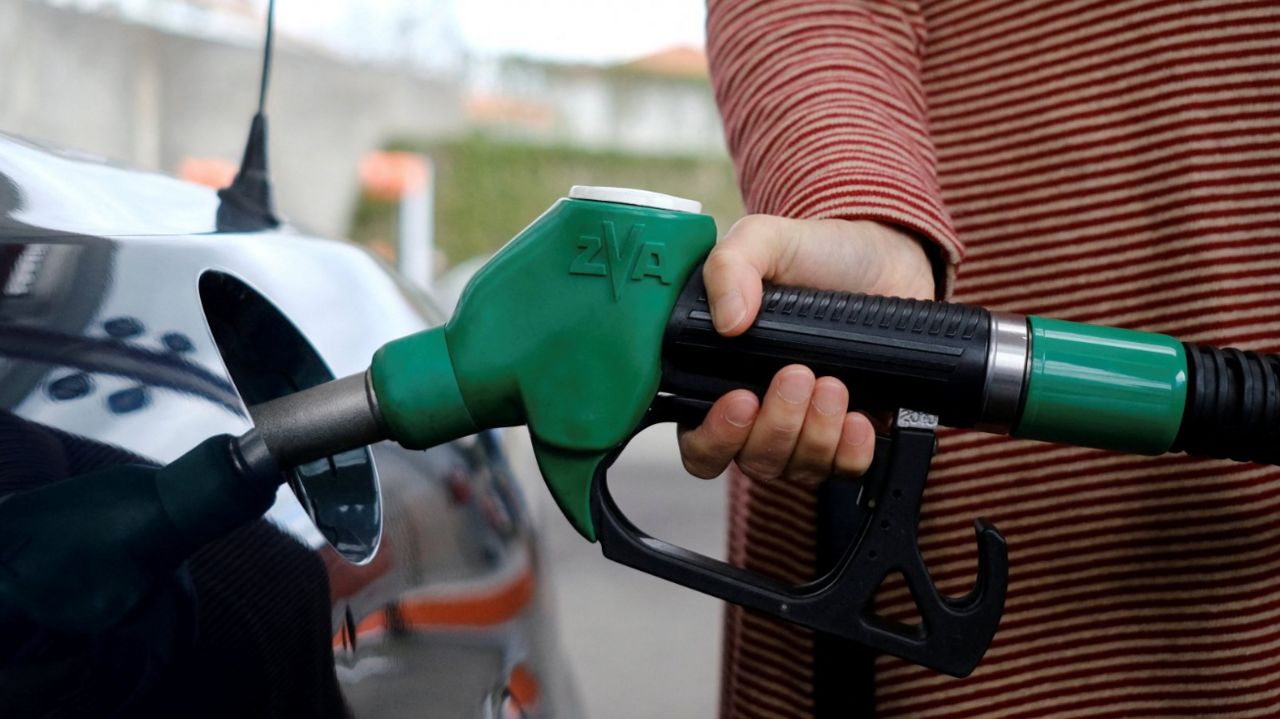
The BBC report summarised the suppliers’ remarks about easing cost pressures in parts of the supply chain. Company spokespeople emphasised that changes in wholesale and commodity markets could create room for retailers to lower prices, but stressed that retail adjustments require sustained movements and internal pricing decisions from pump operators.
Why suppliers expect prices to fall
Suppliers point to a combination of market drivers that can reduce the base cost retailers pay for fuel. When crude oil benchmarks and refined product spreads move lower, wholesalers can negotiate cheaper supplies and refiners may face smaller margins to cover processing costs.
Other factors include shipping and distribution costs, seasonal demand shifts and exchange-rate movements. For example, lower shipping rates or a fall in crude benchmarks can reduce landed costs for import-dependent suppliers, creating the potential for wholesale price reductions.
Industry observers say it is often the interaction of several favourable factors — not a single change — that gives retailers confidence to cut pump prices. Firms typically watch these indicators over days and weeks to ensure changes are sustained before passing savings on to customers.
What this means for drivers
For motorists, the practical takeaway is that lower pump prices are possible but are unlikely to happen instantly. Suppliers’ expectation of fuel price reductions suggests downward pressure may build over a period of weeks rather than days, with the timing dependent on how quickly wholesale and distribution costs move and how retailers respond.
When wholesale costs ease consistently and retailers see room to protect margins, forecourts may begin to lower displayed prices. The lag between wholesale moves and pump changes exists because retailers balance margin strategies, contractual supply arrangements and local competition when setting prices.
Drivers should expect variation across regions. Some independent or price-competitive forecourts tend to adjust prices faster, while large branded sites sometimes change more slowly to protect brand margins or due to centralized pricing systems. This means a reduction may appear at some stations before others.
To catch any confirmed reductions, monitor local forecourt signage, use national price comparison services and check retailer apps or social channels. Those sources can show when a station has updated its pump prices and help drivers spot the earliest reductions.
Limits to the claim and verification
It is important to stress these statements are company expectations and are not independent confirmation that prices will fall. Rubis and ATF Fuels described an outlook based on current market signals; neither issued a binding pledge to cut retail prices by a stated percentage or on a set date.
The BBC report did not include independent market-wide verification or detailed data showing how soon and by how much wholesale savings would be passed on. That means consumers should treat the comments as an indicator to watch rather than as a guarantee.
Risk factors remain that could delay or reverse any downward trend. Sudden commodity-price swings, disruption to shipping or refining, changes in regional demand or shifts in exchange rates can all increase costs again before any reductions reach the pump. Retailers may also choose to retain margins for longer, which can blunt the impact of wholesale improvements on displayed prices.
How drivers can watch for confirmed price reductions
Drivers who want to verify changes should rely on confirmed price updates rather than supplier outlooks. Local forecourt signs, national price comparison websites and retailer announcements are the most direct ways to see when pump prices have been altered.
Many comparison services track regional averages and flag significant moves within hours or days, while retailers sometimes publish network-wide price changes via their websites or apps. Consumer groups and transport bodies also report notable market shifts that affect average pump prices.
Frequently asked questions
When will fuel prices fall at the pump?
Suppliers said cuts could come “in time” but did not give a date. In practice, confirmed reductions typically appear over days to weeks once wholesale moves are sustained and retailers decide to adjust prices.
Are Rubis and ATF Fuels the only firms predicting cuts?
The BBC item quoted Rubis and ATF Fuels specifically; it did not list other suppliers making the same prediction. Other retailers and wholesalers watch the same market indicators and may reach their own conclusions about pricing.
How can drivers track confirmed price changes?
Use local forecourt displays, national price comparison websites and retailers’ own updates to see when pump prices have been changed for customers.
Source and what comes next
This update is based on reporting by BBC News – Business. The suppliers’ comments are useful indicators of potential downward pressure on costs, but readers should await firm announcements from retailers or independent market data to confirm any widespread price reductions.
We will follow developments and report back if and when retailers announce confirmed changes at the pump. For the original reporting, see BBC News – Business: https://www.bbc.co.uk/news/articles/c4gy4g2npk4o?at_medium=RSS&at_campaign=rss
Source: BBC News – Business