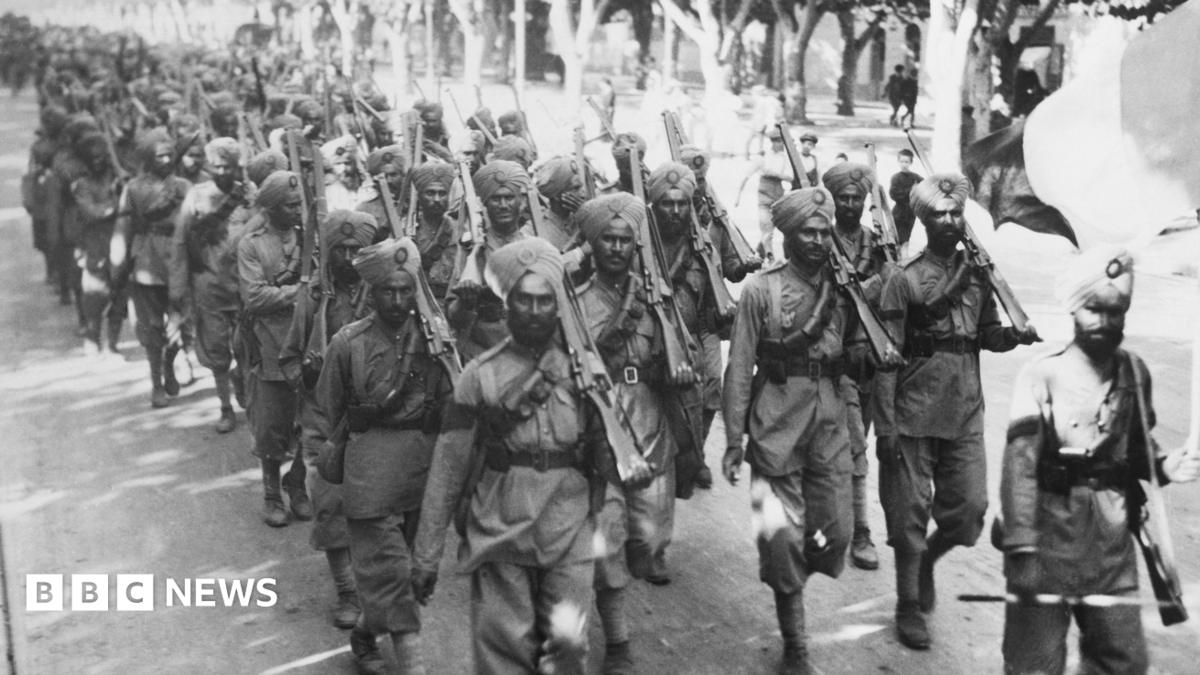
Nearly 10,000 Punjabi WW1 soldiers have been added to the official database of war dead, restoring names that were previously absent from the public record. The BBC reports the update as part of ongoing work to correct gaps in First World War files and provide descendants with formal recognition.
What was added to the official war dead database
The update adds the names of nearly 10,000 Punjabi WW1 soldiers to the official database of war dead, according to BBC News – Top Stories. The entries cover personnel linked to units raised in what is now the Punjab region. Each entry typically includes brief service details that can help descendants connect a name to other military records.
Officials describe the number as an approximate total based on the current reconciliation work. The BBC frames the change as a substantial correction to the public record but notes totals may be contested as further checks are completed.
How descendants reacted
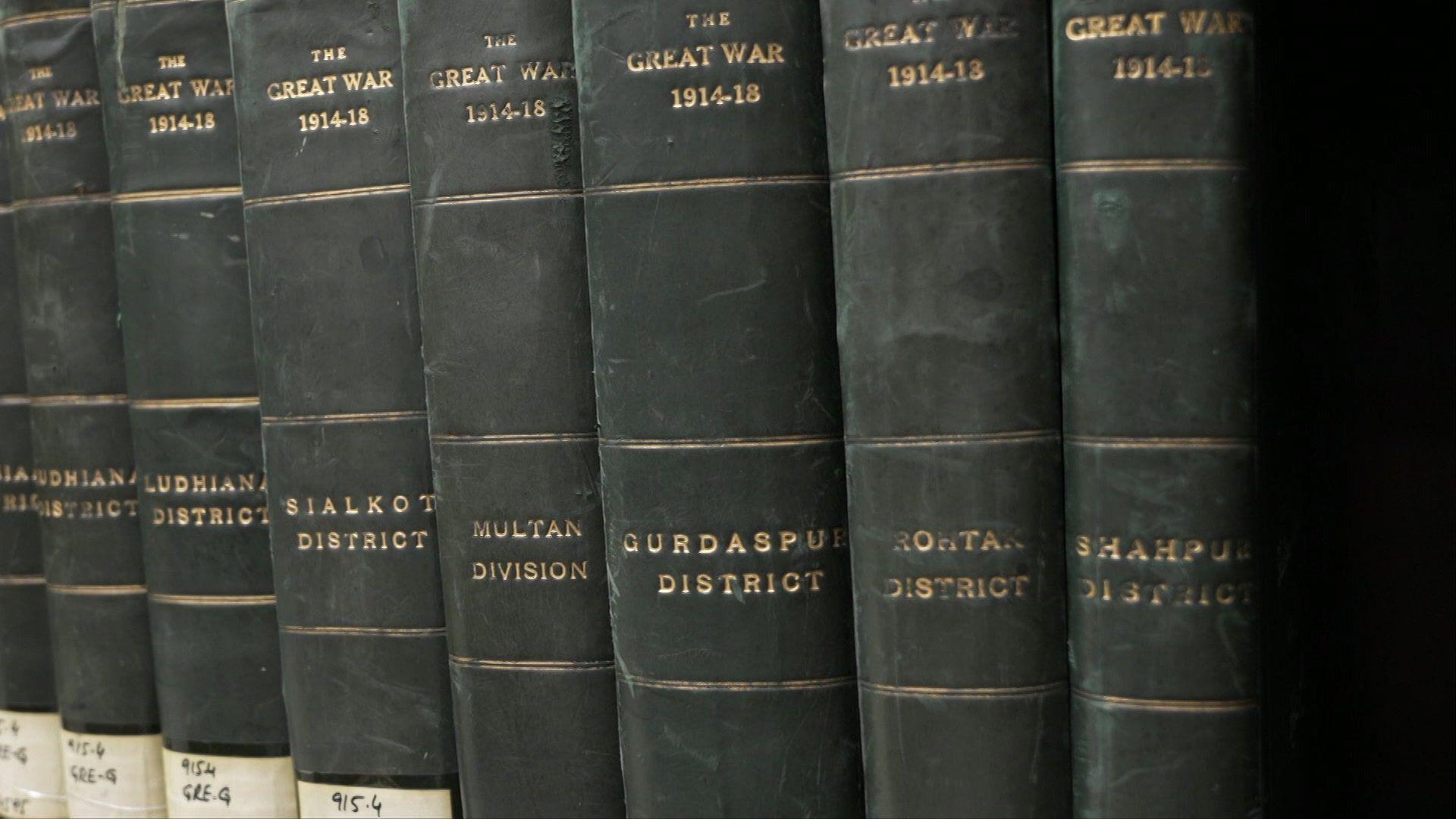
For many descendants, the additions are a cherished step. Families told reporters that seeing an ancestor’s name added to an official list feels like meaningful recognition of service that had been missing from public records.
Relatives said the update helps reconnect living family members to lost stories and provides documentary evidence that can support further searches for medals, service papers and burial records. Even where records remain incomplete, the emotional and archival impact has been significant.
Why some names were missing and what recognition means
Gaps in the war-dead database have several causes. Paper files from the First World War were vulnerable to loss, damage and administrative error. Colonial-era record systems sometimes used inconsistent place names, spellings or unit designations, which could leave people unlisted or dispersed across separate archives.
Because of these factors, many names were effectively forgotten in central lists until modern reconciliation projects collated dispersed sources. The BBC reports many names as being recognised for the first time in the central database, but stresses the figure is based on the best available files and remains open to revision.
Officials caution that being listed does not always resolve every question about service details. Records can be incomplete and some counts are approximate; independent researchers may contest totals as additional sources are compared.
How to search the war dead database for Punjabi ancestors
If you think you have a Punjabi ancestor who served in WW1, here are practical steps to search the official war-dead database and related records:
- Start with the full name and any known variant spellings from family records.
- Use filters where available: unit/regiment, service years, and place of enlistment or birth.
- Try alternate spellings, initials and regiment or battalion names if known.
- Cross-check any hits against medal rolls, service papers and pension files in national archives.
- Record reference numbers and citations so you can request copies of original documents or get help from archive services.
These steps make it easier to verify matches and to follow up with official record-holders or specialist researchers.
Nearly 10,000 names have been added to the official war-dead database — an approximate figure reported by the BBC. The update restores recognition for many families and will prompt further verification work and possible future adjustments.
Source, limits and what comes next
The BBC News – Top Stories report is the main contemporary account of this update and family reactions. It presents the figure of nearly 10,000 as an approximate total based on current database work.
What comes next will likely include further verification and potential adjustments. Record projects often add names in batches as researchers reconcile files. Independent historians and archive services may publish findings that refine totals or clarify specific cases.
Readers should be aware that historical databases evolve. Recognition in a central list is an important step, but it may be followed by continued research, corrections or supplementary entries as more documents are located and digitised.
FAQ
How can I search the war dead database for Punjabi ancestors?
Begin with the full name and known variants, then use filters such as unit, date range and place of enlistment or birth. Cross-check matches with medal rolls, service papers and pension records in national archives. Keep reference numbers and source citations for follow-up.
Why were these soldiers not listed earlier in records?
Gaps can come from lost or damaged paper records, inconsistent spellings and colonial-era administrative practices. Names might have been recorded in separate registers or under different place-name conventions, and only appeared in the central database after reconciliation.
How accurate is the recognition and can the number be contested?
The number reported is based on current database work and is explicitly described as approximate. Accuracy improves as more files are examined, but totals and individual entries can be contested when researchers compare additional sources and correct errors.
Source: BBC News – Top Stories — Nearly 10,000 Punjabi WW1 soldiers recognised for first time. The update refers to additions made to the official war-dead database; readers seeking records should consult that database and national archive services for original documents and further verification.