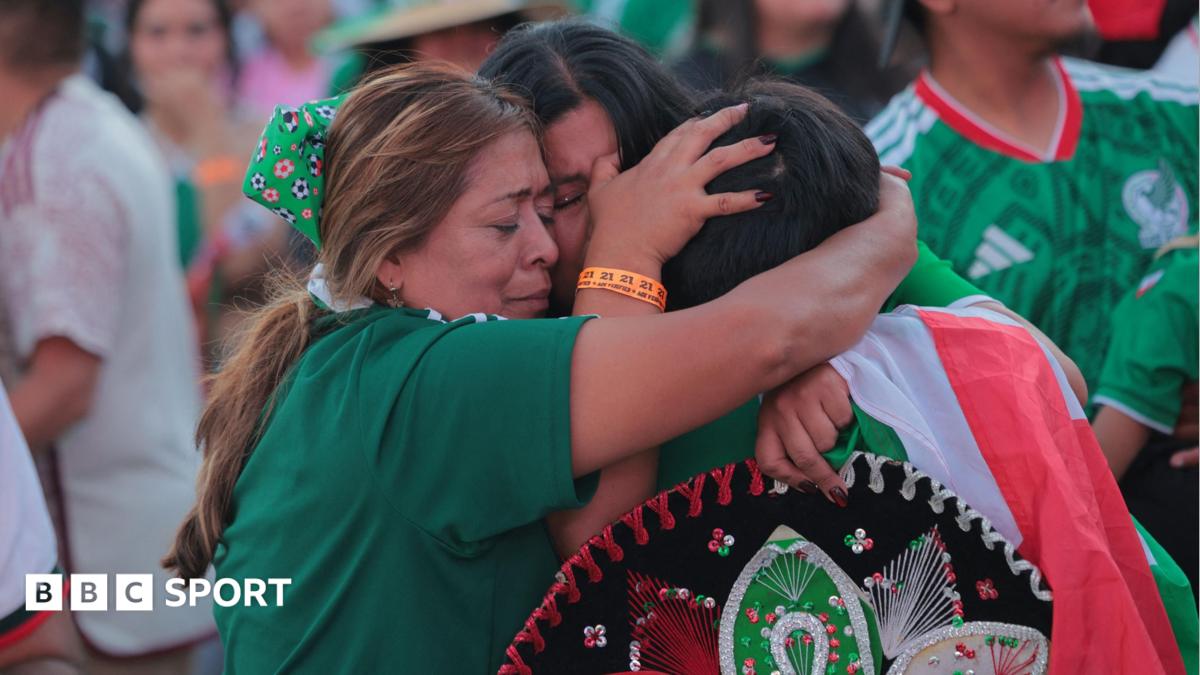
Mexico World Cup scenes were marked by loud cheers, waving flags and crowded watch parties that stretched into the night. Fans gathered in public squares, community centres and local bars, sharing brief escapes from a tense period and celebrating moments of pride even after a last-16 exit.
This report blends on-the-ground observation from Southern California with wider context about why the team’s run resonated so powerfully for Mexican communities abroad. For fuller background reporting, the BBC covered the tournament’s emotional effect in a feature article How Mexico’s World Cup run brought joy after a year of fear, which shaped many of the themes below.
Mexico World Cup: the moment
Key moments on the pitch — sudden goals, crucial saves and late-game drama — repeatedly ignited collective celebration in viewing zones. Even in fixtures that ended in defeat or elimination, isolated plays produced vocal eruptions: children jumping on shoulders, elders applauding from the sidelines, neighbours exchanging high-fives.

The pattern was familiar across different venues. In bars and plazas, a successful build-up or a well-executed set-piece prompted immediate applause and chanting. Broadcast replays and pundit analysis mattered less in those minutes than the shared, spontaneous response of people watching together.
Scenes in Southern California
Southern California emerged as a vivid backdrop for these reactions. The region’s sizeable Mexican community turned parks, fan zones and restaurants into hubs for public viewing, with televisions and projector screens filling patios and plazas. Families and multigenerational groups often attended together, turning match nights into communal gatherings that included food, music and familiar chants.
Community centres and Mexican-owned businesses reported higher footfall on match nights, with staff noting that viewings brought together people who might not otherwise meet. The atmosphere alternated between boisterous celebration and quiet, collective reflection, often within the same evening: exuberant scenes after a goal followed by subdued conversation when results did not go the team’s way.
Places that hosted recurring watch parties — parks with municipal screens, taverns with TVs, and pop-up fan zones — effectively created temporary public spheres where sport and culture overlapped. Food vendors and local musicians sometimes timed offerings to match kickoff times, reinforcing the social dimension of match nights.
Why the run mattered to fans
The emotional impact of the Mexico World Cup run stretched beyond the immediate result. The tournament gave people a shared language to articulate pride, resilience and relief. The BBC framing of the run as bringing joy after what it described as “a year of fear” captured how some observers viewed the wider emotional backdrop; in many communities, match nights offered a reprieve from day-to-day worries.
Sporting moments — an unexpected equaliser, a committed defensive performance, an inspired individual display — became shorthand for larger ideas about perseverance and cultural pride. For diaspora communities, these matches allowed public affirmation of identity: flags, songs and chants functioned as visible markers of belonging in spaces that are otherwise not explicitly cultural centres.
Crucially, the joy was collective. Celebrations were often led by people who emphasized community ties: volunteers organising viewing areas, older fans sharing chants with younger attendees, and local DJs queuing songs that tied the event to broader cultural memory. These social rituals strengthened existing networks and, in some cases, created new ones.
What comes next for fans and the team
In the immediate term, many supporters will carry the tournament’s momentum into local fixtures, qualifiers and friendlies. Fan groups that developed or expanded during the World Cup are likely to continue organising regular viewings and cultural events tied to the national side, making match nights a recurring focus for community engagement.
From a sporting perspective, the exit at the last-16 stage typically prompts review and planning: coaching staff and federations analyse performances and identify areas for development ahead of regional competitions and qualification windows. For fans, debate about tactics, player selection and youth development will remain part of the conversation as the team prepares for what comes next.
For the diaspora, the immediate next steps are social as much as competitive. Organisers say they will keep watch parties alive as platforms for community-building — using them to host fundraisers, cultural celebrations and local outreach that extend beyond the tournament calendar.
Key takeaways
- The Mexico World Cup run produced notable moments of communal joy, even though the team exited at the last-16 stage.
- Southern California served as a prominent hub for public viewings and celebrations, reflecting the size and vitality of its Mexican community.
- The tournament’s resonance combined sporting pride with social and cultural connection, offering temporary relief and renewed solidarity.
FAQs
Did Mexico advance past the last 16?
No. Mexico exited at the last-16 stage of the tournament.
Why did fans celebrate despite the exit?
Fans celebrated because the team’s performances produced memorable moments and fostered a shared sense of pride. Matches also served as social gatherings that reinforced cultural identity and community bonds.
How did Southern California react to Mexicos World Cup run?
Southern California saw large public viewings and packed local venues where fans watched together. The region’s sizeable Mexican community made it a visible hub for celebrations, community rituals and recurring watch parties.
Source: BBC News — How Mexico’s World Cup run brought joy after a year of fear