The Trump FIFA red card issue intensified after President Donald Trump acknowledged contacting FIFA to request a reconsideration of Folarin Balogun’s red card. Trump said the decision was “very unfair” and urged FIFA to take another look before the United States’ match against Belgium, prompting debate over the lines between political influence and sporting procedure.
Trump FIFA red card: what Trump said and FIFA response
Trump told reporters he had spoken with FIFA President Gianni Infantino and asked that the governing body examine Balogun’s red card suspension so the forward might play against Belgium. “So yes, I asked for a review by FIFA,” Trump said, adding he believed the call was wrong.
FIFA President Gianni Infantino issued public comments underscoring that “FIFA’s judicial bodies are independent” and that disciplinary decisions are made by the competent internal panels based on the regulations and specific facts of each case. Infantino also noted he frequently hears from heads of state and other officials and reiterated that the federation’s independent bodies will decide the matter in due course.
That statement — emphasizing the autonomy of FIFA’s disciplinary organs — was the federation’s clearest public response to the presidential outreach. Reporting tied to Infantino’s remarks can be found in contemporary coverage of the incident; the organization’s formal, written decision will be issued by the relevant judicial chamber if and when it completes its review.
Reactions on The View and public commentary
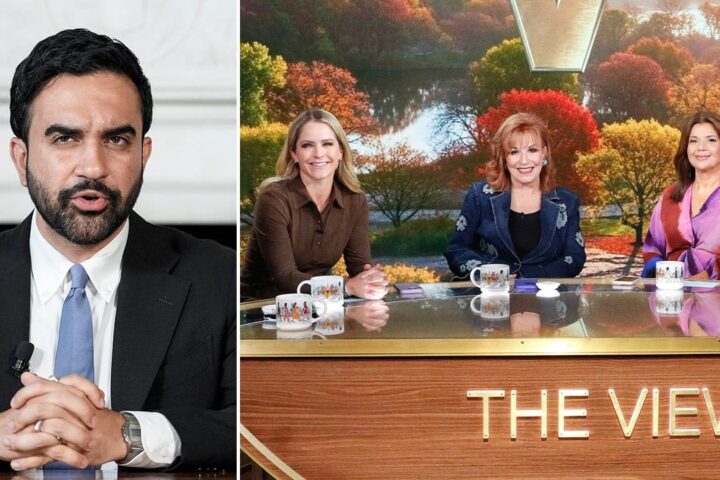
The exchange produced a split reaction on ABC’s The View. Alyssa Farah Griffin defended the outreach, framing it as a pragmatic effort to restore a key player to the U.S. side and arguing the incident deserved a lesser sanction.
Sunny Hostin took a far different view on-air, calling the call evidence of corruption and saying Trump had “made a call to FIFA” to try to allow Balogun to play. Hostin also relayed anecdotal remarks she said she heard while in Spain about perceptions of corruption surrounding the matter. Those statements were presented as on-air commentary and are not independently verified by reporting.
Guest co-host Michelle Buteau described the episode as consistent with Trump’s approach to rules, saying she was not surprised by the controversy and viewing it through a broader behavioral lens. The televised debate highlighted how a single disciplinary ruling can spill into political and cultural conversation during a major tournament.
Who is Folarin Balogun and why eligibility matters
Folarin Balogun is a forward who has been part of the U.S. national team setup and whose availability can have measurable effects on match plans at the World Cup. Balogun’s eligibility for the United States is based on birthright citizenship, a detail noted during television coverage of the episode.
In short tournaments like the World Cup, roster choices and disciplinary availability are tightly consequential. Losing a starting forward to suspension forces tactical changes and can shift a team’s chances of advancing, which helps explain why the incident drew attention from public figures and media commentators.
FIFA rules and likely next steps for the red card
Under FIFA’s disciplinary code, a red card typically triggers an automatic review and may prompt further disciplinary proceedings. Those procedures are administered by FIFA’s independent judicial bodies, which assess the incident, review the match report and available evidence, and apply the relevant regulations.
Practically, the panel reviewing Balogun’s case could uphold the red card and any standard suspension, reduce the sanction if mitigating factors are found, or dismiss additional penalties if the panel determines the incident does not warrant further discipline. The exact outcome and timing depend on FIFA’s internal timetable and the materials brought forward during the review.
Why this matters for sport and politics
The episode raises two overlapping concerns: the integrity of sporting governance and public perceptions of political influence. Contact between a sitting U.S. president and the head of FIFA prompts scrutiny about whether and how public officials should seek to influence outcomes at major sporting events.
For sport, maintaining a visible separation between governance processes and external pressure preserves competitive fairness. For politics, high-profile outreach can feed narratives about favoritism and deepen partisan debate even when federations insist decisions rest with independent panels.
How FIFA handles the review and how transparent the federation is about the process will affect public trust and may set a precedent for future interactions between public officials and sports governing bodies during global tournaments.
Sources and attribution
This article draws on reporting of the on-air discussion and President Trump’s remarks, and on public comments attributed to FIFA President Gianni Infantino. Sunny Hostin’s on-air statements that Trump “made a call to FIFA” and related anecdotal claims are presented as on-air commentary and have not been independently verified by reporting.
Primary reporting: Fox News coverage of the on-air discussion and Trump’s remarks. Coverage of Infantino’s comments and related reporting appeared in press accounts contemporaneous to the exchange; the federation’s formal judicial decision, if issued, will be the primary official record of any disciplinary outcome.
Sources: Fox News – The View host supports Trump appealing FIFA on controversial red card; reporting on Infantino’s comments as available in contemporary press coverage.
FAQ
Did Trump ask FIFA to review Balogun’s red card?
Yes. President Trump said publicly that he asked FIFA President Gianni Infantino to review the decision.
Can FIFA overturn a red card during a World Cup match?
FIFA’s disciplinary panels review incidents and can adjust sanctions under the federation’s rules, but decisions follow formal procedures handled by independent judicial bodies rather than by external actors.
Is Folarin Balogun eligible to play for the United States?
Yes. Balogun’s eligibility for the U.S. national team has been reported as stemming from birthright citizenship and has been discussed in broadcast coverage of the dispute.