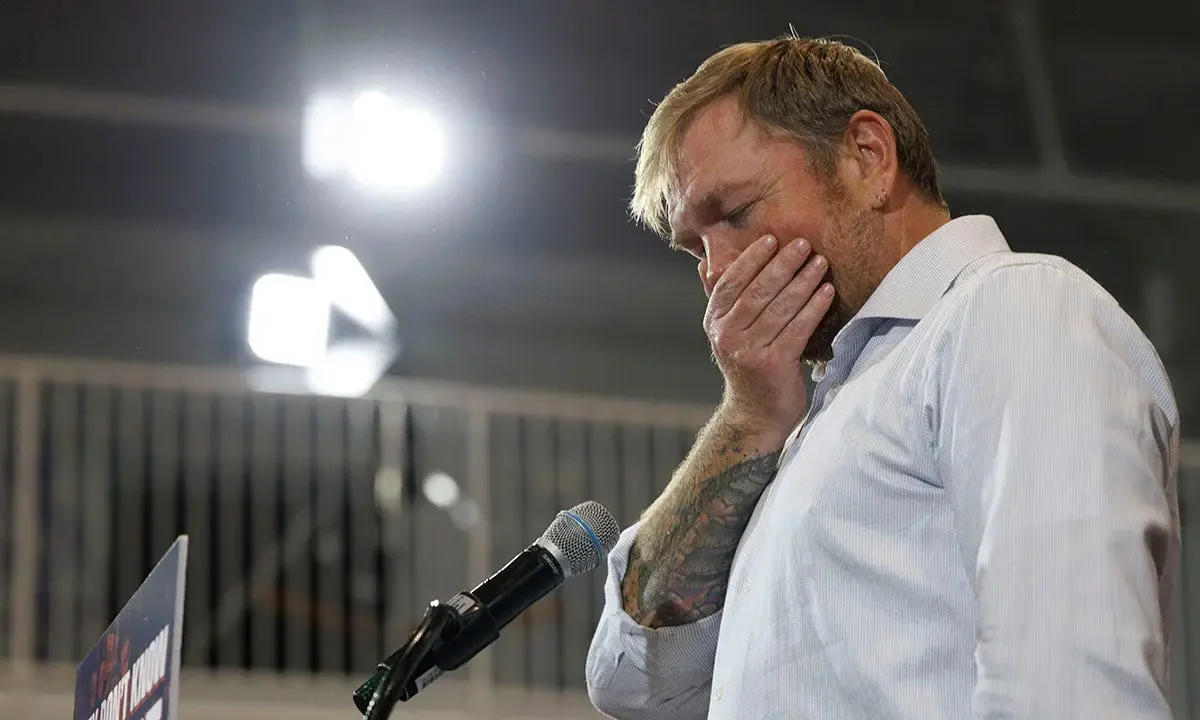
Michelle Goldberg regrets praising Graham Platner, the New York Times columnist acknowledged, writing that she “deeply regret[s]” having offered a more favorable assessment before fresh reporting and warnings prompted her to reassess. Goldberg’s admission, published as a New York Times opinion column, arrives as new reporting has revived scrutiny of Platner and refocused attention on vetting in the Maine Senate race.
The reversal matters because it is both a high-profile public reckoning by a national commentator and a signpost for how Democrats and local voters are reacting to serious allegations amid a contentious campaign. Goldberg tied her reassessment to reporting that raised questions about Platner’s past conduct and to warnings from former staff that she said were not taken seriously enough.
Michelle Goldberg regrets praising Graham Platner
In the column, Goldberg wrote that she had traveled to Maine last year and been impressed by Platner’s campaign energy, but that she had come to regret minimizing earlier concerns. “While I’m assigning blame, I shouldn’t leave out myself,” Goldberg wrote, adding that she now believes Platner “seems to be significantly worse” than she had described after reviewing new accounts and speaking again with people who raised alarms.
What Goldberg wrote in her New York Times column
Goldberg revisited her past description of Platner as “nothing like the edgelord caricature I encountered online,” and said she now “deeply regret[s]” that judgment. She described being taken with the campaign’s momentum and charisma at the time, and acknowledged that those impressions led her to discount warnings from progressives who had worked with Platner.
Goldberg singled out a warning from Genevieve McDonald, Platner’s former political director. According to the column, McDonald and others had raised concerns internally and were at times dismissed as vindictive. Goldberg wrote, “I can’t be the only one who regrets not taking her more seriously,” placing the failure partly on herself and the broader political culture that elevated a candidate before such concerns were fully vetted.
The allegation and public responses
Politico reported that Jenny Racicot alleges Graham Platner forced her to have sex in 2021, saying she believed he was “almost blackout drunk” and describing being grabbed and forced. In the Politico interview, when asked if she considered the encounter rape, Racicot answered, “By definition? Yes, absolutely,” according to the published report.
Platner has denied the allegation. Multiple outlets, including Politico, have noted that the claim remains an allegation and has not been proven in court. Reporting on the episode has emphasized that Racicot’s account and Platner’s denial are competing public statements pending any law-enforcement or official investigative developments.
Why it matters for the Maine Senate race
The controversy has immediate political implications in Maine. For Democrats, the episode raises questions about candidate vetting, internal decision-making and whether enough weight was given to staff warnings and earlier reporting about Platner’s past social-media activity and conduct. Goldberg framed the problem as broader than any single columnist’s error, writing that the moment “makes it easier for unfit characters to escape proper vetting.”
Voters, donors and local party operatives are watching closely. A high-profile allegation combined with prominent public backtracking from an influential commentator can alter the political calculus: it may affect whether party leaders distance themselves, how quickly institutions call for investigations, and whether activists and donors press for a change in the race’s trajectory.
Background and next steps
Earlier coverage of Platner included scrutiny of tattoos and Reddit posts that critics said suggested problematic views; those stories last year led to staff departures and debate among progressives about how the campaign was managed. The new allegation and Goldberg’s column have reopened those threads and prompted renewed calls for fuller vetting and clearer standards from party officials.
What comes next is uncertain. Journalists may pursue additional reporting to corroborate or contextualize the allegation, and local or federal authorities could become involved if new evidence emerges. For now, news organizations note that Platner has publicly denied the claim and that outlets including Fox News Digital have reached out to his campaign for comment.
Source attribution
This article draws on reporting from multiple outlets. See Michelle Goldberg’s column in the New York Times: New York Times, and Politico’s reporting on the allegation: Politico. Independent reporting on the column and the developing story is also available from Fox News: Fox News.
Note: the allegation reported by Politico is unproven in court; Platner has denied the allegation and characterized the account differently. The public record currently consists of Racicot’s allegations and Platner’s denial, with further reporting or any formal inquiries potentially altering what is known.
FAQ
What did Michelle Goldberg say about Platner?
Goldberg wrote in a New York Times opinion column that she “deeply regret[s]” having praised Graham Platner after new reporting and warnings convinced her she had underestimated concerns about his conduct and past behavior.
What is the allegation against Graham Platner?
Politico reported that Jenny Racicot alleges Platner forced her to have sex against her will in 2021 and provided details that led her to describe the encounter as rape. The claim remains an allegation and has not been adjudicated in court.
Has Platner responded to the allegation?
Platner has denied the allegation. News outlets have reported both Racicot’s account and Platner’s denial and are continuing to seek additional reporting and comment as the story develops.