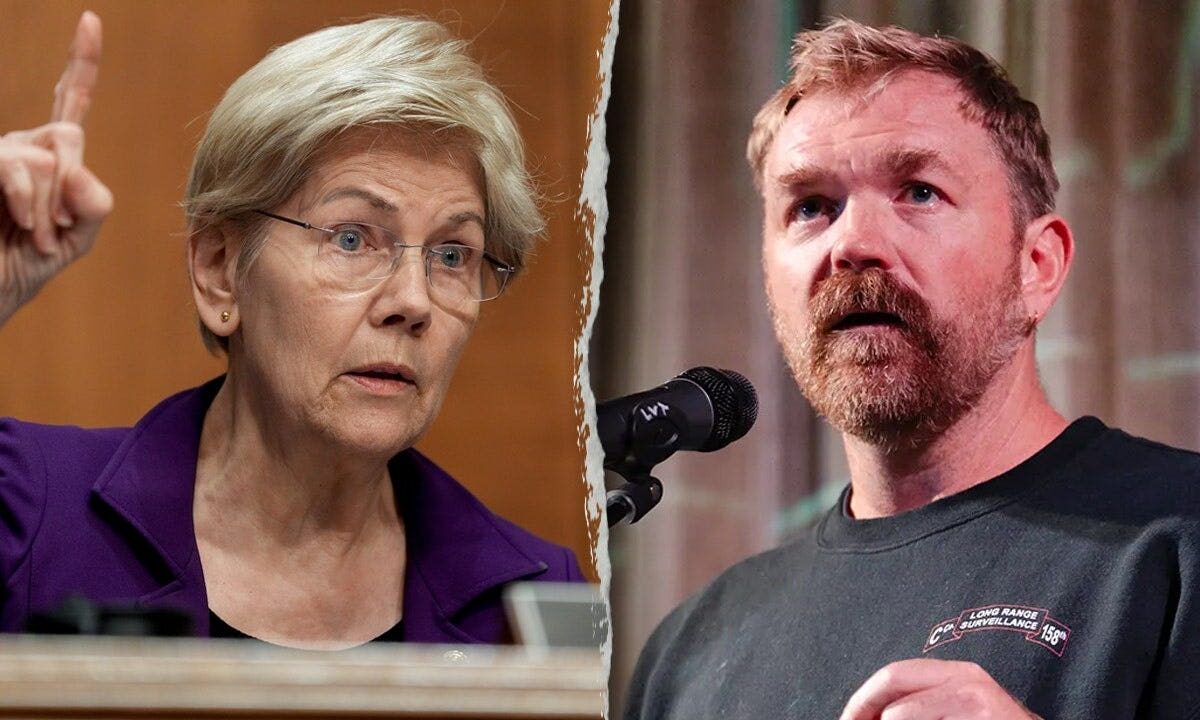
Graham Platner withdrew from the Maine U.S. Senate race Wednesday night, his campaign announced after national outlets published reports alleging new misconduct shortly before a critical voluntary withdrawal deadline. The rapid exit forces Maine Democrats to move quickly to name a replacement nominee and raises questions about vetting and the durability of recent high-profile endorsements.
Party officials indicated they will accelerate internal procedures to meet state filing requirements. Reporting by CNN and The Washington Post, which described allegations that those outlets characterized as unverified claims, is central to how the timeline moved in recent days.
What happened
Platner’s decision to exit came Wednesday night, according to a campaign statement released after stories appeared in national outlets. CNN and The Washington Post published accounts that prosecutors, documents and interviews formed the basis for new reporting; those outlets labeled the allegations as claims that had not been adjudicated.
The campaign’s announcement cited the mounting media attention and the proximity of filing deadlines. Party officials and news organizations reported the decision followed intense scrutiny and quicker-than-expected pressure on campaign backers to reassess public endorsements.
Who backed Platner
During his campaign, Platner drew endorsements from several prominent Democrats that helped elevate his profile nationally. Senators Bernie Sanders and Elizabeth Warren publicly supported him, as did Sen. Sheldon Whitehouse and Rep. Ro Khanna. Those endorsements amplified fundraising and media visibility and signaled national Democratic interest in the Maine contest.
Support from influential progressives translated into early momentum: reporting showed Platner outpaced some rivals in fundraising and won a decisive primary, which led national allies to back his general-election bid. After the new media reports, a number of endorsers reassessed their support.
Allegations and media timeline
CNN and The Washington Post published pieces in the days immediately preceding Platner’s withdrawal that described a range of alleged incidents. Both outlets explicitly framed those items as unverified claims based on interviews, social media posts and documents, and neither presented the allegations as established facts.
It is important to emphasize the reporting labels these items as unverified: outlets cited sources and material that, according to their accounts, have not been adjudicated in court. Because the coverage relied on third-party accounts and documents, editors and legal reviewers at those organizations noted the need for caution in drawing conclusions.
The timing of the articles — published Wednesday and described by party officials as appearing shortly before the voluntary withdrawal deadline — appears to have accelerated internal discussions among Platner’s advisers and some high-profile endorsers, according to reporting. Local and national observers said the compressed timeline left little room for extended review before a decision to withdraw.
How the replacement will be chosen
The Maine Democratic Party has said it will select the next Democratic nominee through its established internal process. In a statement, the Maine Democratic Party wrote, “We have repeatedly reiterated to Graham Platner’s team that they have no role in determining our next Democratic nominee for the U.S. Senate.” That statement was provided to reporters and referenced in national coverage of the withdrawal.
Party officials told news outlets the selection is likely to be made by a committee or a delegated convention-style body, rather than by a new statewide primary, because of the proximity of state filing deadlines. The party’s rules will govern timing and eligibility for any candidates seeking the nomination.
Impact and what comes next
Platner’s exit reshapes the race in Maine. Democrats must now coalesce around a replacement quickly to present a unified front for the general election. Republicans are expected to highlight the episode as evidence of poor vetting and to press attacks on the Democratic Party’s judgment.
Nationally, the events are likely to prompt fresh scrutiny of endorsement practices and candidate vetting among groups and legislators who backed Platner. Some endorsers publicly withdrew or softened their support after the new reporting; others said they would await additional information before taking steps on endorsements.
Short-term priorities for Maine Democrats include identifying a replacement who can unify the party base, secure funding, and quickly build a general-election campaign infrastructure. Observers say the selection process and how quickly the new nominee consolidates support will influence turnout and messaging in what may be a competitive Senate contest.
FAQ
Why did Graham Platner withdraw?
Platner withdrew after national outlets published reporting on allegations that those outlets described as unverified claims. CNN and The Washington Post reported details in the days before his exit; the campaign cited mounting media attention and the timing of filing deadlines as factors in the decision.
Who will pick the Democratic replacement in Maine?
The Maine Democratic Party has said it will choose the replacement nominee using its internal procedures. A party statement made clear that Platner’s campaign does not control the selection process and that party rules will determine timing and mechanism.
Which prominent Democrats had endorsed Platner?
Sen. Bernie Sanders, Sen. Elizabeth Warren, Sen. Sheldon Whitehouse and Rep. Ro Khanna were among the national Democrats who endorsed Platner earlier in the campaign; some reassessed their support after the recent reporting.
In a closing note, the Maine Democratic Party reiterated in its public statement that the selection of the next nominee is a party decision: “We have repeatedly reiterated to Graham Platner’s team that they have no role in determining our next Democratic nominee for the U.S. Senate.” That quote was included in the party’s release responding to the withdrawal.
Nonpartisan summary: The withdrawal forces a compressed selection process that could affect voter perceptions of party judgment and candidate vetting. How quickly the Maine Democratic Party selects a replacement and how effectively that nominee unites the party will help determine whether the episode has a lasting effect on the Senate race.
Sources: Reporting by CNN and The Washington Post; Fox News commentary; statement from the Maine Democratic Party.