Quick take
Luis de la Fuente told BBC Sport the Spain national team is progressing toward a clearer, more resilient identity as it prepares for the World Cup quarter-final with Belgium. In the interview he linked selection, training emphasis and the integration of young talent to a deliberate plan rather than one-off choices.
Spain national team identity
De la Fuente framed identity as the backbone of his project: a defined way of playing that shapes selection, daily training and match preparation. He told BBC Sport that consistent principles — prioritising ball retention, coordinated pressing and positional structure — guide how players are developed and deployed.
That emphasis on process helps explain recent squad continuity. Rather than changing formation or personnel on a whim, De la Fuente described an incremental approach in which roles are clarified and reinforced at every camp. The coach argued this reduces guesswork for players coming into the team and makes tactical transitions smoother during matches.

Practically, the identity he described means players are chosen not only for individual moments of form but for how well they fit the collective pattern: who can keep positional balance during possession, who understands coordinated pressing triggers and who contributes to quick, organised recovery when possession is lost. De la Fuente pointed to staff continuity and shared coaching language as important factors in embedding those habits across age groups and senior levels.
Summary: De la Fuente emphasises steady, principle-led development to build a durable team identity rather than chasing short-term tweaks.
“We are trying to build something that lasts; identity is our compass,” De la Fuente told BBC Sport, adding that the process matters more than headlines.
Lamine Yamal: role and impact
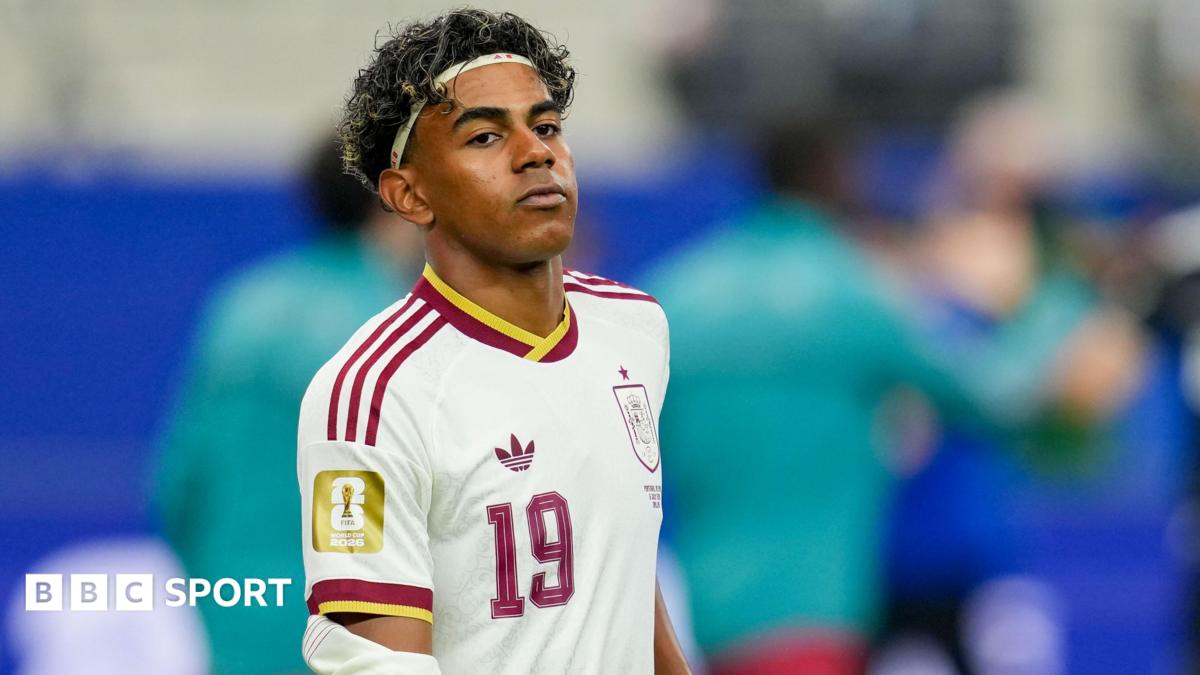
De la Fuente used Lamine Yamal as a concrete example of how a young player can be assimilated into a structured system. He described Yamal as an exciting, direct attacking option whose attributes are amplified when the team maintains its shape and support patterns.
Yamal’s primary impact, according to the coach, comes from his ability to create one-on-one situations on the flank, stretch opposing defences and combine quickly in tight spaces. De la Fuente stressed that the player is deployed in roles where his pace and decision-making can create overloads or rapid transition opportunities while still fitting the team’s positional rules.
Importantly, the coach emphasised that Yamal is one element within a collective plan: overlapping full-backs, midfield support and rotation patterns are all used to maximise his influence without exposing the team to defensive imbalance. That management of risk and reward is central to the identity De la Fuente described.
Summary: Yamal is a high-impact, system-compatible attacker whose strengths are best exploited with coherent team support.
How Spain match up with Belgium
The World Cup quarter-final against Belgium presents contrasting profiles. Spain’s leading strengths are sustained possession, positional rotations and coordinated pressing; Belgium bring experience, verticality and the capacity to threaten quickly on transitions. De la Fuente’s remarks to BBC Sport indicated he expects a tactical duel in which controlling tempo will be decisive.
Key matchups to monitor include Spain’s wide attackers — where Yamal’s directness could force Belgium to adjust defensive positioning — and the midfield battle for control of transitions. Belgium will likely test Spain’s ability to recover after turnovers and punish spaces left in search of attacking momentum. How Spain manage those transitional moments will shape the match more than a single formation choice.
Tactically, De la Fuente appears likely to prioritise structural discipline: maintaining midfield compactness while allowing creative players defined freedom in specific zones. If Spain can impose their rhythm and limit the number of rapid, direct attacks by Belgium, they increase the chance of sustained possession and clearer opportunities to break the defence down.
Summary: Expect a contest between Spain’s possession control and Belgium’s transition threat; Spain must balance creative freedom with disciplined recovery.
Why this matters
De la Fuente’s claim that the Spain national team is “closing in on greatness” is an evaluative perspective rooted in observed trends: clearer tactical identity, integration of promising young players and staff continuity. Those are valid indicators of sustainable progress, but they do not amount to proof of irreversible success.
Tournament football is volatile. Single-match events, injuries, refereeing decisions and momentary loss of form can overturn broader narratives. A deep run in this tournament would strengthen De la Fuente’s case; conversely, a poor result could underline how marginal differences decide outcomes at this level.
The cautious conclusion is that Spain are on a promising trajectory: the structural choices described by De la Fuente reduce variability and can help convert talent into consistent performance. However, full validation requires repeated evidence across tournaments and demonstrated squad depth beyond a few standout individuals.
Summary: The claim of “closing in on greatness” is reasonable as a working hypothesis but remains contingent on results, squad depth and consistency in future competitions.
FAQs
What did De la Fuente say about Spain’s identity?
He told BBC Sport that reinforcing a clear playing identity — possession, positional structure and coordinated pressing — is central to selection and tactical preparation.
How important is Lamine Yamal to Spain?
De la Fuente presented Yamal as a valuable attacking option whose speed and directness create chances; he is used within a system designed to support and amplify those attributes.
What should fans expect in the Belgium quarter-final?
Fans should expect a tactical battle between Spain’s possession-oriented structure and Belgium’s direct transition threat. Key factors are Spain’s control of tempo and how well wide players like Yamal can break through defensive lines while the team maintains defensive balance.
Source attribution
This analysis is based on the BBC Sport interview with Luis de la Fuente published ahead of Spain’s World Cup quarter-final. Source: BBC Sport — How De la Fuente’s Spain are closing in on greatness (2026-07-10).