Robotaxi reset pods are parking-space-sized service units Aseon Labs is building to inspect, clean and charge driverless cars close to where riders wait. The Redwood City company describes the system as a “depot in a box” meant to move routine depot work out of distant facilities and into modular units that fit inside a single parking space.
robotaxi reset pods
What are robotaxi reset pods
Aseon Labs positions its modular “reset pods” as compact service stations for autonomous vehicle fleets. Each pod is roughly the footprint of an ordinary parking spot and is designed to be delivered on a flatbed, plugged into local power and made operational within about 24 hours. The company says the units require no permanent construction and can be moved as needed to follow demand.
How robotaxi reset pods work
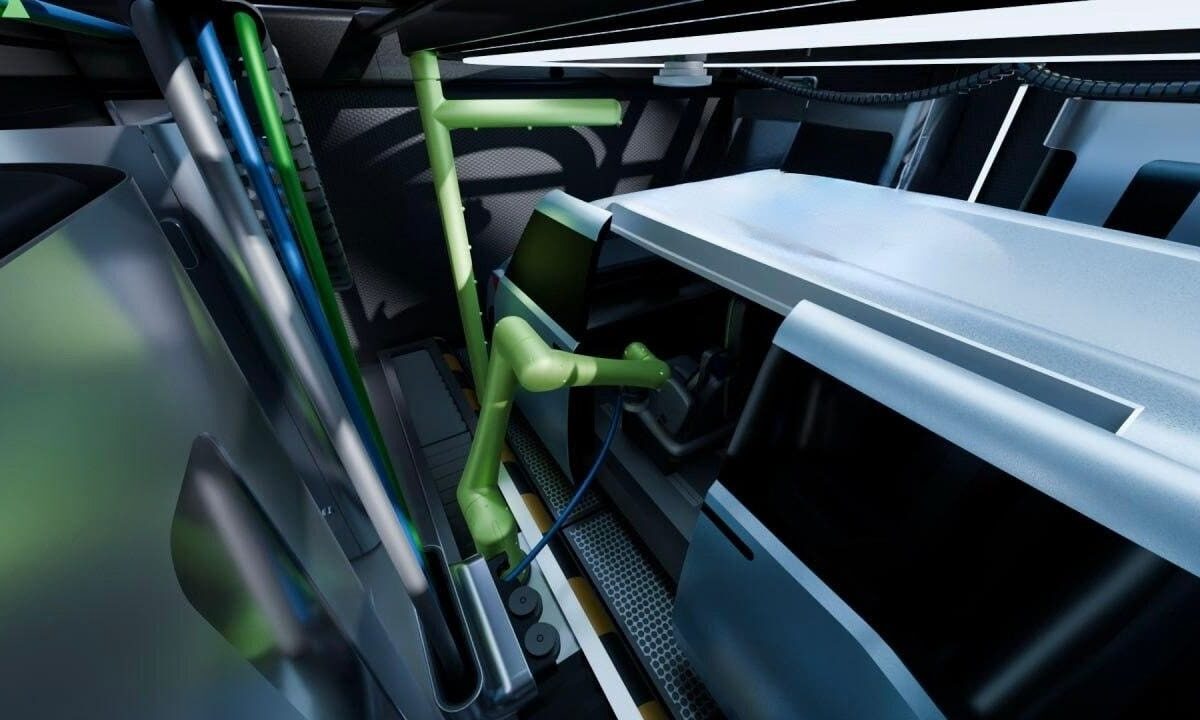
According to Aseon, pods combine computer vision, robotic manipulators and charging hardware to triage and service vehicles between trips. Cameras and computer-vision software scan exteriors and interiors for damage, trash or other obvious issues. Robotic arms and interior cleaning systems can remove debris, retrieve lost items and run software resets.
For charging, pods are designed to connect to the local electrical grid and to integrate with DC fast-charging where available. Aseon has also discussed mobile power options for locations without immediate grid access; company materials mention the possibility of temporary generator use or other mobile systems. The firm says early pods will operate with nearby staff while autonomous routines and remote monitoring are developed.
Benefits for fleets and riders
Placing small service units closer to where vehicles operate is intended to reduce “deadhead” miles — the empty trips vehicles make to and from centralized depots. Aseon estimates that moving routine servicing nearer to active service areas could reduce the distance fleets travel for basic resets by a large factor; the company has described scenarios in which servicing could be “up to 15 times closer” for some routes. That figure is an internal estimate from Aseon and has not been independently verified.
In practice, closer servicing can return cars to service faster, lower the number of empty miles, shorten rider wait times and improve cabin condition between trips. Operators may find a network of modular pods cheaper and faster to deploy than building multiple full depots, and Aseon says it plans to operate and maintain the units for customers rather than only selling hardware.
Trade-offs: parking, privacy and permitting
All of those benefits come with trade-offs. A pod occupying curb or parking space shifts the local use of that spot and raises questions about who loses access and for how long. Even as temporary structures, pods can provoke neighborhood friction if units remain in place for extended pilot periods.
Because pods use cameras and computer vision, privacy is a common concern. Aseon has not published detailed, public data-retention or access policies; the company says pods will inspect vehicles and use video for diagnostics, but it has not disclosed how long footage would be stored, who could access it, or whether recordings would be retained offsite. Those details are likely to be defined in pilot agreements or local regulations, so prospective host cities should press for explicit rules on retention, redaction, access and third-party sharing before approving deployments.
Power and environmental impacts also matter. While grid or DC fast-charging are preferred, Aseon has cited mobile power as an option for some sites. Temporary generators can raise noise, air-quality and safety concerns; local permitting authorities will need to evaluate emissions, connections to the electric grid, and any required electrical upgrades for clusters of pods.
Finally, permitting and curb-management policies vary by city. Even if pods are movable, local governments typically regulate use of the public right-of-way, temporary structures, noise levels and commercial operations on the curb. Pilot agreements, temporary-use permits or franchise arrangements are likely to be the first mechanisms cities use to test pods while protecting neighborhood interests.
Deployment, funding and what comes next
Aseon Labs has disclosed $10 million in seed funding and says it plans to build five prototypes. The company reports it is in talks with autonomous vehicle operators, EV charging network providers and real-estate partners as early pilot deployments are planned. To date, Aseon has not publicly named signed robotaxi customers, and the planned prototype run is small, so the broader network the company describes remains unproven.
Because many claims about proximity and operational impact come from company materials, they should be treated as vendor estimates until pilots with independent metrics appear. Early pilots will be key to validating claims about reduced deadhead miles, impacts on rider wait times and the operational reliability of robotic cleaning and inspection systems.
Practical questions cities should ask
City officials and community groups evaluating pods should request clear answers on data retention and access, power source and emissions, permit duration, curb allocation and removal timelines. Contracts or pilot permits should specify noise limits, required safety reports, liability terms and an exit plan if pilots are not renewed.
For riders and operators, the near-term question is whether prototypes demonstrate reliable service gains without unacceptable neighborhood impacts. If pilots show a measurable drop in empty miles and faster turnarounds while meeting privacy and permitting standards, pods could become a common part of robotaxi ecosystems. Until then, many details remain to be proven in the field.