Paul Rees personal injury claim: expert driver Paul Rees has lodged a civil personal injury claim against BBC Studios after a Top Gear crash in which Andrew Flintoff was a passenger, the BBC reports (BBC). BBC Studios says it disputes the claim and does not accept the allegations of liability.
This article sets out the core allegation and the studio response, a short chronology of the reported incident, and the likely legal steps that could follow now the claim has been filed. The account below is based on the BBC’s reporting and related standard civil-procedure practice; further factual detail may emerge from court filings or subsequent reporting.
Paul Rees personal injury claim: the allegation
According to BBC coverage, Paul Rees — described as the expert driver involved in the Top Gear filming incident — has brought a personal injury claim naming BBC Studios as the defendant. The claim, as reported, alleges Rees suffered physical injury connected to the crash.
The BBC report identifies this as a civil personal injury action; it does not set out the full particulars of the claim in public reporting. At this stage, the claim is an allegation that will be tested through the court process rather than an established finding of fault or liability.
BBC Studios response
The BBC report says BBC Studios disputes the claim. The studio’s stated position, as described in reporting, is that it does not accept the allegations of liability being advanced by Rees. A denial of liability is a routine opening position in many civil disputes while parties exchange evidence.
That response frames the matter as a formal legal dispute between the claimant and the production company rather than an admission. As the BBC notes, further statements or documents may follow if either party issues fuller public comments or court papers are published.
What happened on Top Gear
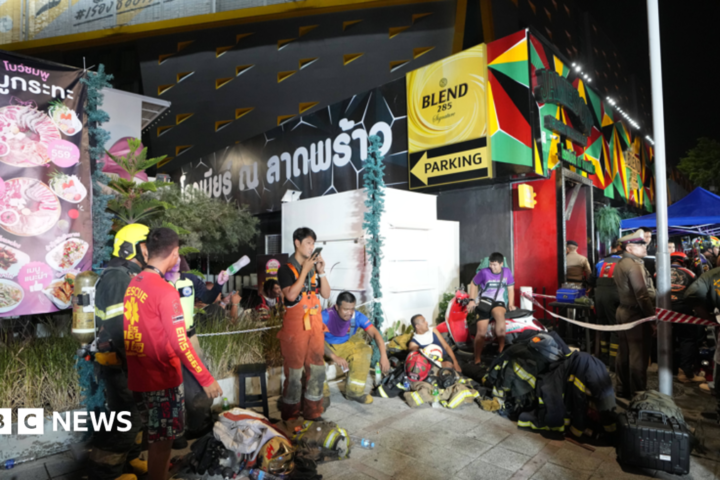
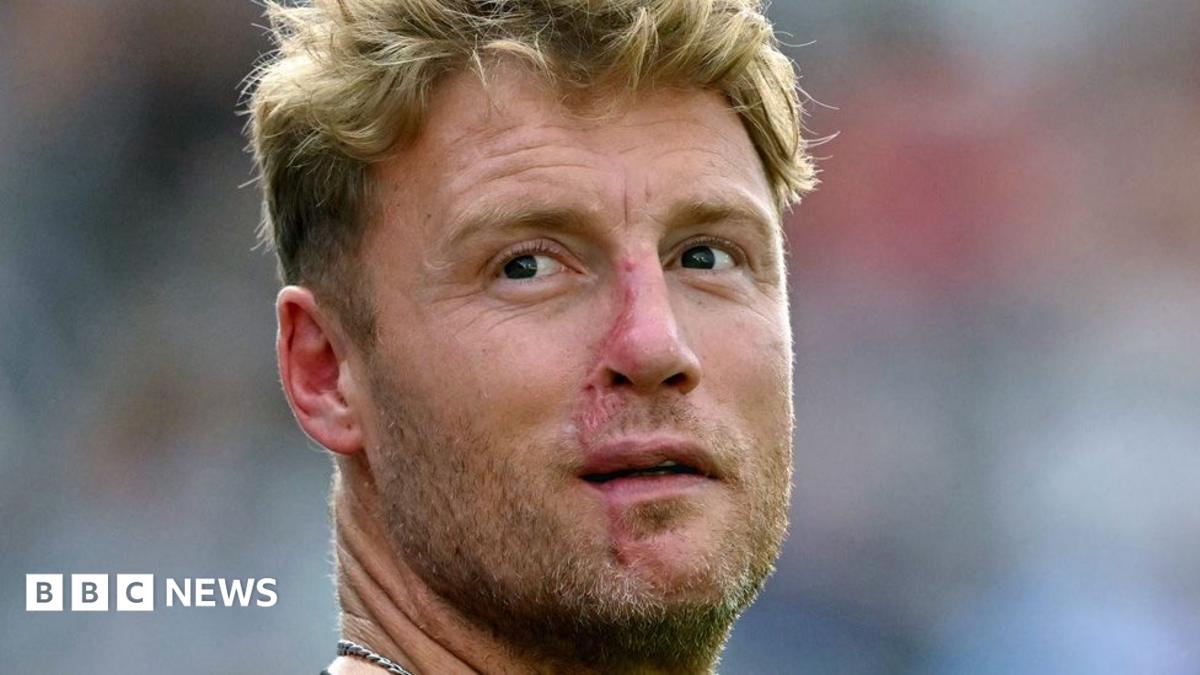
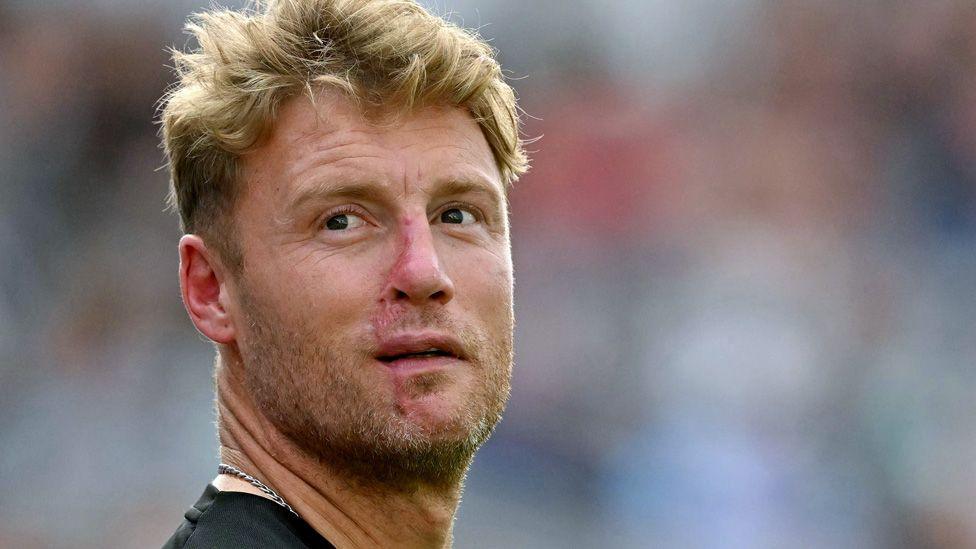
Public reporting identifies the incident as a crash that occurred during Top Gear filming. Paul Rees was acting as the expert driver and Andrew Flintoff was a passenger in the vehicle at the time of the incident, as reported by the BBC.
Top Gear is a programme that commonly uses professional drivers and staged driving sequences. When crashes occur during production, investigations typically look at a range of safety and technical matters such as vehicle condition, stunt planning, track conditions and compliance with safety protocols.
Short chronology
Published accounts have focused on three core facts: that a crash occurred during Top Gear filming, that Paul Rees was the expert driver involved, and that Andrew Flintoff was a passenger. Those elements form the basis of the BBC’s report and the subsequent legal claim.
Beyond the confirmation of participants and the existence of the claim, the BBC story does not provide a detailed minute-by-minute reconstruction, medical chronology or a sequence of post-incident actions. Such granular information is often contained in witness statements, medical reports or court pleadings rather than early news reports.
Because current public reporting concentrates on the allegation and BBC Studios’ dispute, further detail about immediate responses, medical treatment or investigatory findings may appear only after disclosure in legal proceedings or as follow-up journalism uncovers additional source material.
What comes next: legal timeline and likely steps
Filing a personal injury claim typically triggers a standard civil process. The claimant files a claim form and particulars of claim setting out the basis for the action; the defendant — here BBC Studios — then files a defence, which may deny liability in whole or in part.
After pleadings, the case commonly proceeds through stages such as disclosure (exchange of documents), the preparation of witness statements, and expert reports. Experts might be instructed on matters including causation, vehicle dynamics, safety procedures and the nature and extent of any injuries.
Parties are often required to attend a case management or preliminary hearing where the court sets timetables for disclosure, expert evidence and trial preparation. Many civil disputes are resolved before trial via negotiations or mediation; production companies and insurers frequently engage early to assess settlement risk and costs.
The timing of these steps varies widely. Complex or technical cases can take longer to prepare, while straightforward matters may be resolved more quickly. Jurisdictional procedures and the availability of court dates also affect how long a case takes to reach any final hearing.
If the matter proceeds to trial, a court would determine liability and any award of damages. Alternatively, the claim could be discontinued, or the parties could agree a settlement at any point before judgment. A defendant’s initial denial of liability does not prevent settlement later in the process.
Specialist legal representatives and technical experts commonly shape outcomes in such cases, assessing safety systems, production processes and medical evidence. Insurers and production companies frequently play a central role in settlement discussions.
We will update this story as further details — including court filings, formal statements or additional reporting — become publicly available.
Source: BBC News — Andrew Flintoff’s Top Gear crash passenger sues BBC Studios. (Information in this article is based on BBC reporting.)