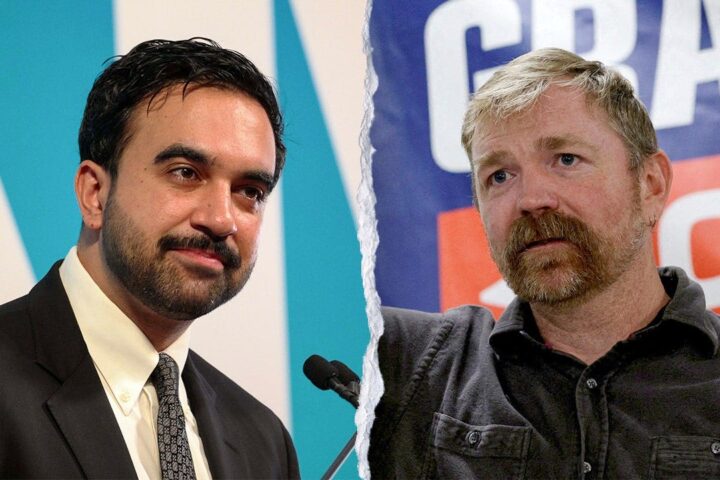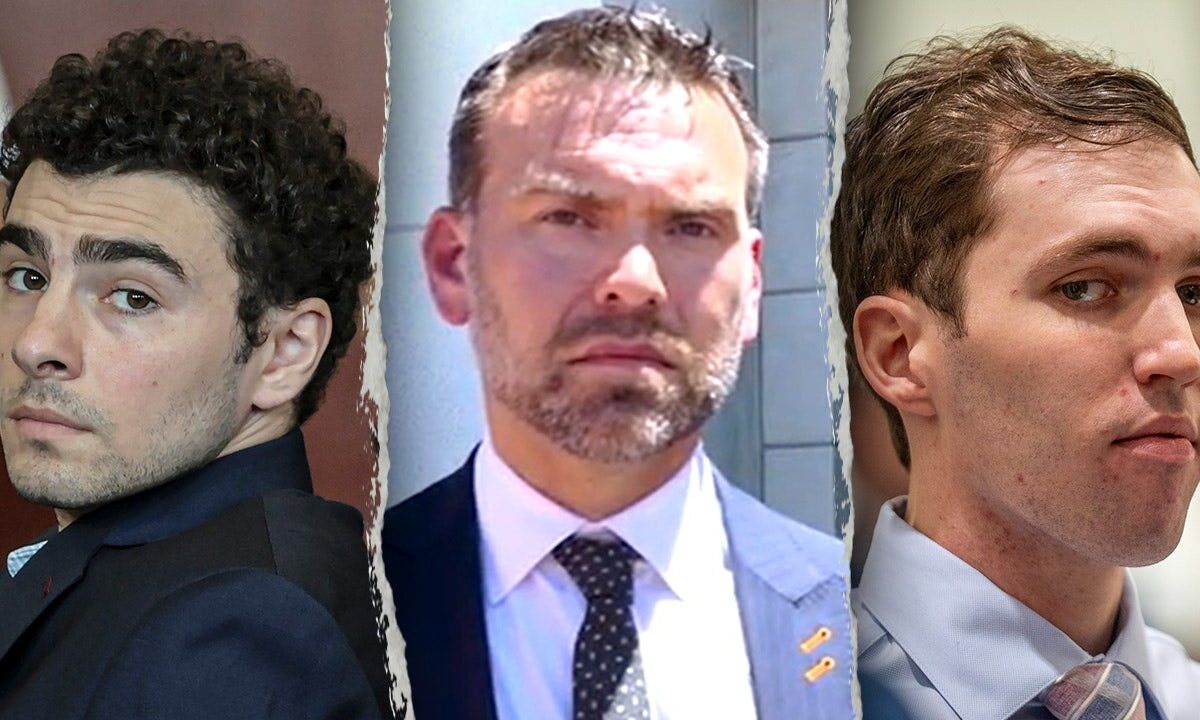
A push to seek a death penalty for assassins intensified after a five-day preliminary hearing in Utah where prosecutors said they presented DNA evidence, surveillance footage, toolmark matches and a recorded interview with a witness. Those items were described in court as evidence tying the accused to the killing.
“I think the death penalty should be sought for any assassin,” Jack Posobiec told reporters after the hearing, reflecting calls from some allies of the victim. He was expressing a view, not a court finding.
What prosecutors say
Prosecutors told the Fourth District Courthouse that DNA consistent with the accused was found on objects recovered near the scene and on ammunition, a claim presented as an allegation in testimony.
They also described toolmark analysis. Prosecutors alleged that an engraved cartridge casing recovered in the defendant’s residence matched markings made by a Dremel tool they say was used to engrave a spent casing found at the crime scene.
Surveillance footage was shown to the judge and court attendees; prosecutors said the video captured a person and a Dodge Challenger on campus on two occasions and that an analyst identified a gait the reviewer associated with the accused. Those identifications were offered as prosecutor testimony and are not judicial findings.
Finally, prosecutors played a recorded interview with Lance Twiggs, whom they described as a former roommate and acquaintance. In court the prosecution said Twiggs relayed statements the defendant allegedly made about the killing. Defense counsel has the opportunity to contest the recording and Twiggs’s account at later proceedings.
Death penalty for assassins: the debate
Following the hearing, public figures including Jack Posobiec urged lawmakers to make assassination an explicit capital aggravating factor so the death penalty could be sought in such cases. Those comments are advocacy for changing sentencing law, not legal rulings in the case.
Advocates for expanding aggravators say political or targeted killings uniquely threaten public safety and the political process and therefore should be eligible for the harshest penalties. Opponents warn that widening death-penalty eligibility risks politicized prosecutions and raises constitutional and evidentiary hurdles.
Legal hurdles and current law
The death penalty exists in 27 states and under federal law, but current statutes do not automatically treat an assassination label as a standalone aggravating factor that permits capital punishment in many jurisdictions.
To make “assassination” itself an automatic path to capital charges would generally require legislative change to add or redefine aggravating circumstances. Any such statute would face judicial review and must meet constitutional standards set by precedent.
Legal experts and lawmakers note that expanding aggravators raises questions about proof standards, proportionality, and whether new statutes could withstand appeals. Those are procedural and constitutional concerns separate from the facts alleged in any single case.
What comes next in the Robinson case
The defendant has not entered a plea; that status remains unchanged while the judge considers whether enough evidence exists to bind the case over for trial. The lack of a plea is a procedural fact, not an admission of guilt.
Oral arguments are scheduled before Judge Tony Graf Jr. in early September on whether the evidence presented should send the matter to a jury. If Judge Graf binds the case over, next steps include discovery, pretrial motions and scheduling a trial date if no plea agreement is reached.
Prosecutors told the hearing they recovered ammunition and other items more than 250 miles from the defendant’s home and presented testimony alleging the defendant communicated about the incident in texts and online messages; those claims were presented as allegations in court and remain subject to challenge by the defense.
Source and attribution
This account is based on reporting by Fox News and on prosecutors’ testimony and filings presented at the preliminary hearing. Allegations described above were presented by the prosecution in court and remain unproven. The accused has not been convicted.
For the original reporting, see: Fox News, “Charlie Kirk’s close friend calls for death penalty for convicted assassins”.
Prosecutorial and witness statements in this article are labeled as alleged when they were presented as claims in court; defense responses and formal rulings will be reflected in later coverage as they become available.