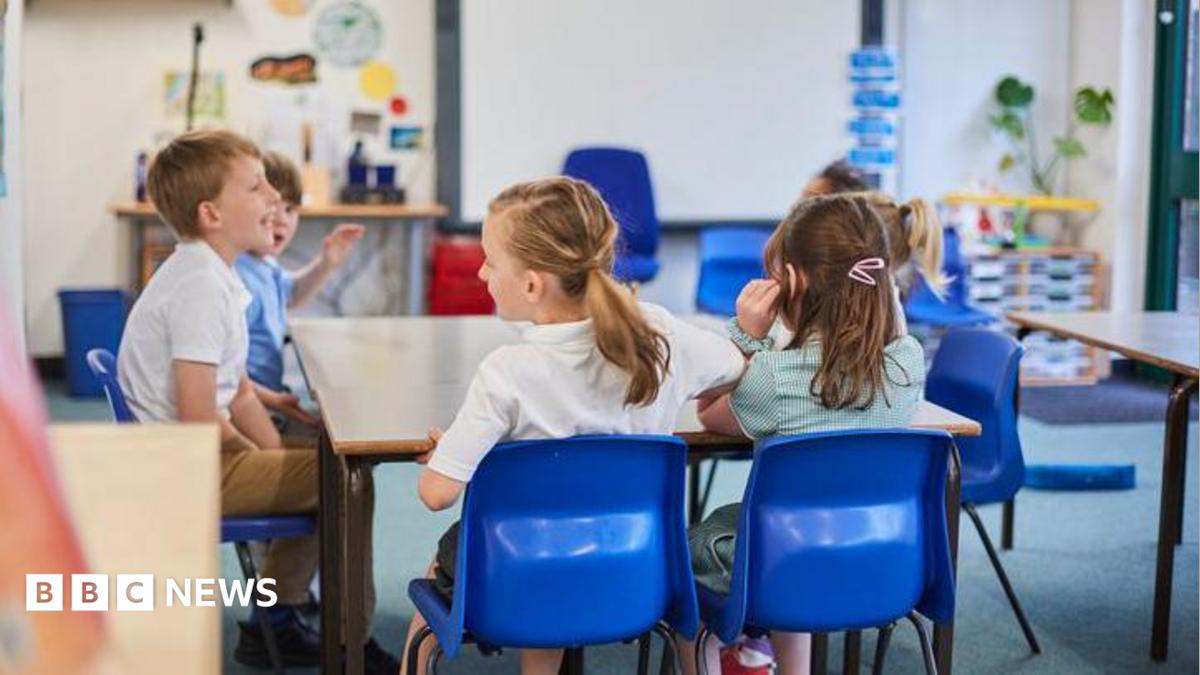
The Education Policy Institute (EPI) has warned that pupils eligible for free school meals are “falling further behind” their classmates, and the think‑tank has urged the new prime minister to treat narrowing the free school meals gap with “laser-like focus”.
“The new prime minister should target the issue with ‘laser-like focus’,” the EPI says.
Free school meals: how big is the attainment gap
According to the EPI report, national school attainment data show a clear pattern: children eligible for free school meals are not improving at the same pace as their peers. The institute’s analysis uses established national attainment measures to trace differences at primary and secondary stages, and concludes the gap has widened in recent years.
Rather than presenting one single headline figure, the EPI maps the gap across different age groups and subjects to show where disparities are largest. The report highlights persistent differences in core skills such as reading and maths and notes that progress indicators used for secondary schools also reflect slower gains for disadvantaged pupils. These findings underline that the attainment gap is a multi-stage problem, appearing in early years and compounding through Key Stage assessments and into GCSE performance.
How the report frames national trends
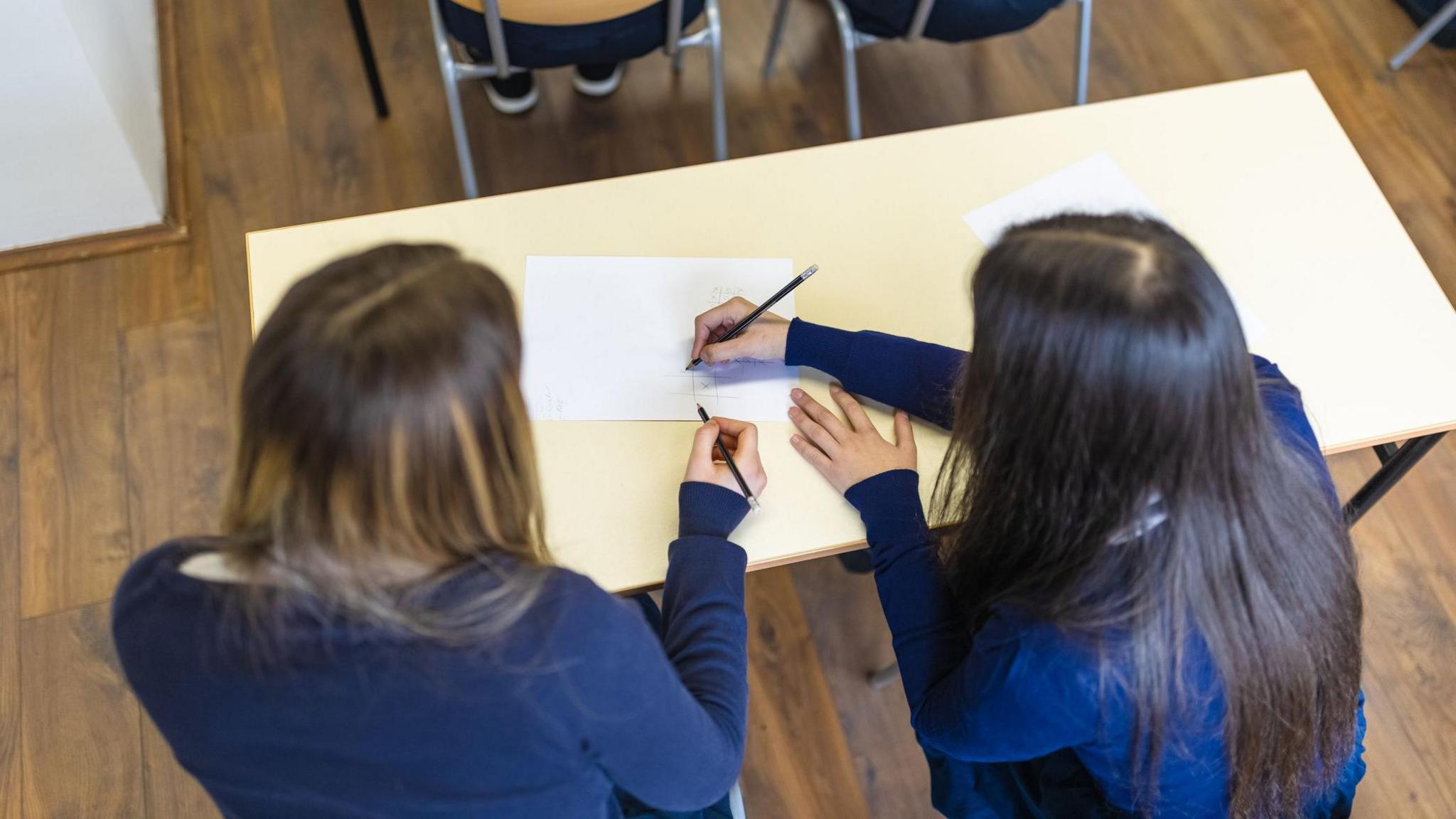
According to the EPI report, the widening attainment gap appears across national measures of school attainment and is not confined to a single region or subject. The institute interprets this as evidence that system‑level reforms and overall improvements in attainment have not been shared equally between advantaged and disadvantaged pupils.
Why the gap matters
The EPI links the education gap to broader social outcomes. Pupils who lag behind at school are less likely to reach higher education and more likely to encounter constrained employment opportunities later in life, the report warns. This pattern amplifies the effects of child poverty and reduces social mobility: if disadvantaged children do not catch up at school, the consequences are personal and economic at scale.
Because attainment is both an outcome and a determinant of future opportunity, the EPI emphasises that persistent gaps in school attainment contribute to intergenerational inequality. Closing the gap is therefore positioned in the report as both an education priority and a wider social policy objective.
EPI recommendations and a call for laser‑like focus
To address the problem, the EPI sets out a series of policy recommendations and a clear ask for the incoming prime minister: make narrowing the free school meals attainment gap an explicit priority with dedicated targets and resources. The institute calls for sustained investment in early support, improved access to high‑quality early years provision, and stronger accountability so disadvantaged pupils benefit from school improvement efforts.
Practical actions the report highlights include directing additional resources to schools with high proportions of disadvantaged pupils, expanding targeted catch‑up programmes in literacy and numeracy, and supporting evidence‑based tutoring and teacher development. The EPI stresses that these measures require consistent funding and clear success metrics to be effective.
What this means for parents and schools
For parents, the report signals that national policy and funding choices can have a direct impact on classroom outcomes. The EPI suggests parents and carers look for information on local support, targeted catch‑up programmes and how schools are tracking the progress of pupils eligible for free school meals.
For school leaders and local authorities, the report recommends prioritising interventions where the attainment gap is largest and ensuring that disadvantaged pupils are closely monitored. That includes adopting proven programmes focused on core skills, investing in targeted tutoring and making the case for sustained staffing and training budgets so interventions can be delivered at scale.
What comes next
The EPI wants the incoming government to adopt specific, measurable goals for narrowing the attainment gap and to set out how short‑term catch‑up funding will be balanced with long‑term investment in early years and teacher development. The institute warns that without clear targets, coordinated action and long‑term funding, the trend is unlikely to reverse.
Policymakers will need to choose between a range of options — from top‑down accountability and targets to place‑based funding and support — but the EPI emphasises that a focused, evidence‑based approach is essential.
Frequently asked
What did the Education Policy Institute find?
According to the EPI report, pupils eligible for free school meals are falling further behind their peers across national attainment measures, and the institute calls for focused government action to close the gap.
Why are pupils eligible for free school meals falling behind?
The EPI attributes the trend to a combination of factors identified in its analysis, including uneven access to early support, differences in school resources and the cumulative effects of socio‑economic disadvantage. The report presents these as systemic issues requiring targeted policy responses.
What can the new prime minister do about the gap?
The EPI urges the new prime minister to set explicit targets for narrowing the gap, direct resources to disadvantaged pupils, and back evidence‑based programmes such as early intervention and targeted tutoring. The institute calls for a coordinated approach with sustained funding.
Source attribution
This article is based on BBC News coverage of the EPI report and the Education Policy Institute’s analysis. Read the BBC story here: BBC News – Free school meal pupils falling further behind their peers, report warns. See the Education Policy Institute for the full report and recommendations: https://epi.org.uk.