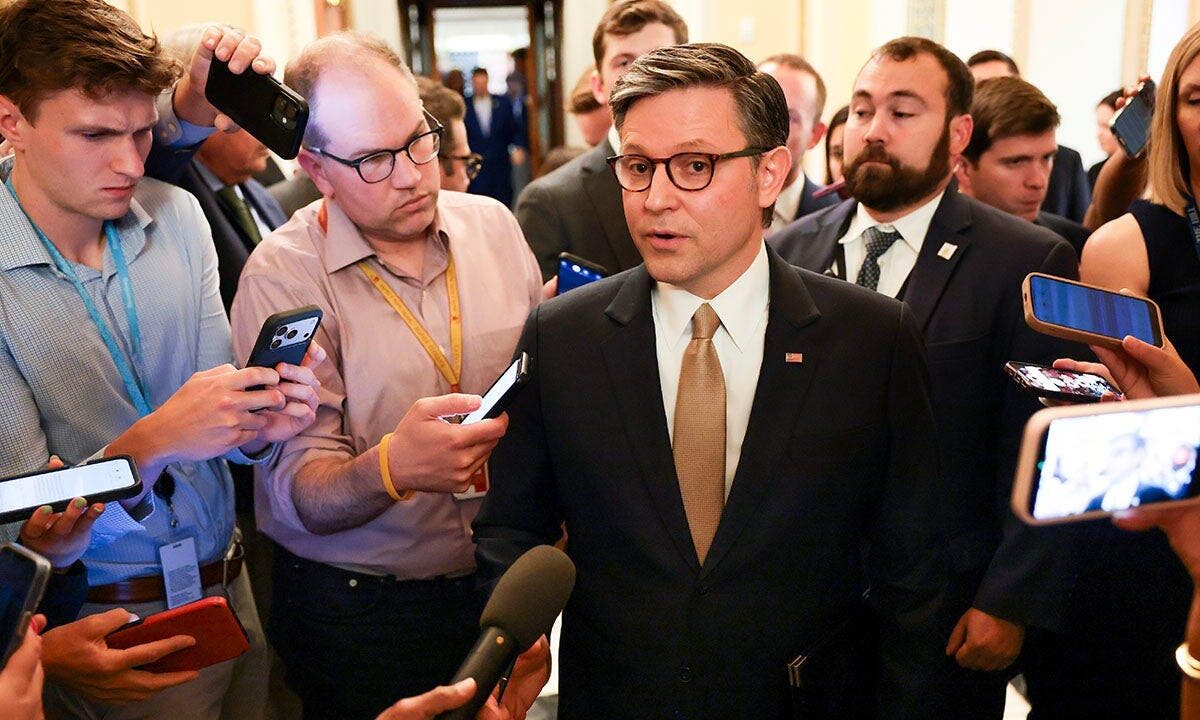
The conservative revolt gripping the House GOP has effectively frozen floor activity, with holdouts repeatedly withholding procedural votes and forcing Speaker Mike Johnson to pull measures. The conservative revolt has left routine business — from State Department funding to consideration of the NDAA — stalled as members press leadership to prioritize the SAVE America Act and standalone border legislation, according to Fox News reporting.
The stalemate is unfolding amid intensified pressure from outside allies and the looming midterm calendar, narrowing options for a negotiated path that satisfies both the right flank and the broader conference.
What the conservative revolt is blocking
Members withholding procedural support have targeted rules and motions required to move bills forward. That has led Johnson to pull multiple rules votes this month, delaying consideration of a State Department funding package and a measure to make Daylight Saving Time permanent.
The revolt also imperiled progress on the annual National Defense Authorization Act (NDAA). Leaders said they had considered folding election provisions from the SAVE America Act into other vehicles to ensure the language reaches the Senate, but holdouts rejected the approach unless they can secure assurances the provisions will not be stripped in negotiations.
Conservative lawmakers pressing the disruption include members of the House Freedom Caucus and allied conservatives who want a clear floor vote on the SAVE America Act and for the conference to take up the Permanent Trump Secure Border Act. Those dynamics, Fox News reported, have repeatedly forced Johnson to rethink timing and procedure for multiple items on the schedule.
How GOP leaders are trying to break the logjam
Leadership has pursued a mix of procedural maneuvering and political pressure to end the standstill. Johnson floated combining provisions or offering a Manager’s Amendment — a rules committee tool intended to lock certain language in — as a way to carry the SAVE America provisions into conference or other must-pass bills.
Party leaders have also sought outside help. Former President Donald Trump publicly urged holdouts to stop what he called “grandstanding,” and other allies have weighed in to persuade defectors to fall in line, Fox News reported.
Efforts to marshal influence included a planned visit by Vice President JD Vance to address the House GOP conference, but Politico reported that the trip was postponed, underscoring the fragility of the outreach strategy. Leaders continue to test alternatives — negotiating member-specific concessions, eyeing different legislative vehicles, and threatening procedural deadlines to try to peel off holdouts.
Why this matters for defense, funding and the border
The impasse carries concrete policy ramifications. Delay of the NDAA threatens to compress authorization and budget timelines that Pentagon officials and defense contractors rely on for planning. While a late passage is possible, compressed schedules can complicate contracting and program execution.
State Department funding is also at risk: late or piecemeal appropriations can disrupt embassy operations and foreign assistance programs. Leadership’s strategy to package election-security language with funding measures aims to force Senate consideration, but Senate prospects for the SAVE America Act are weak, complicating that lever.
On border policy, conservatives backing the Permanent Trump Secure Border Act — a measure associated with Rep. Chip Roy — want a vote to require construction of a border wall, tighten asylum rules and curtail catch-and-release. The bill has been retooled to omit some provisions, like expanded E-Verify, that previously narrowed support, but it still faces steep odds in the Senate and would require significant concessions to clear both chambers.
In short, the revolt risks sidelining major priorities and leaving Congress to scramble on authorizations and appropriations as the campaign season intensifies.
What comes next
Near-term, leaders will keep testing procedural options and applying pressure to marginal holdouts who might flip. If Johnson cannot secure the votes needed for upcoming rules, expect him to explore alternative vehicles, offer targeted concessions to specific members, or delay major items until after the House and Senate work through competing versions.
Senate prospects for the SAVE America Act remain slim, which complicates any strategy based on folding election language into must-pass measures. The midterm calendar compresses the window for resolution: members in competitive districts may be more inclined to cut deals, while ideological holdouts may be willing to endure short-term stalemate to secure policy wins.
Watch for further public appeals from senior Republicans, any renewed push by outside allies, and new floor maneuvers to advance or package stalled legislation. As Politico and Fox News reporting emphasize, the outcome will depend on whether leadership can convince a small but determined group of holdouts to relent before funding and defense deadlines force more urgent action.
Source attribution: Reporting and context for this article come from Fox News and Politico: Fox News and Politico.