
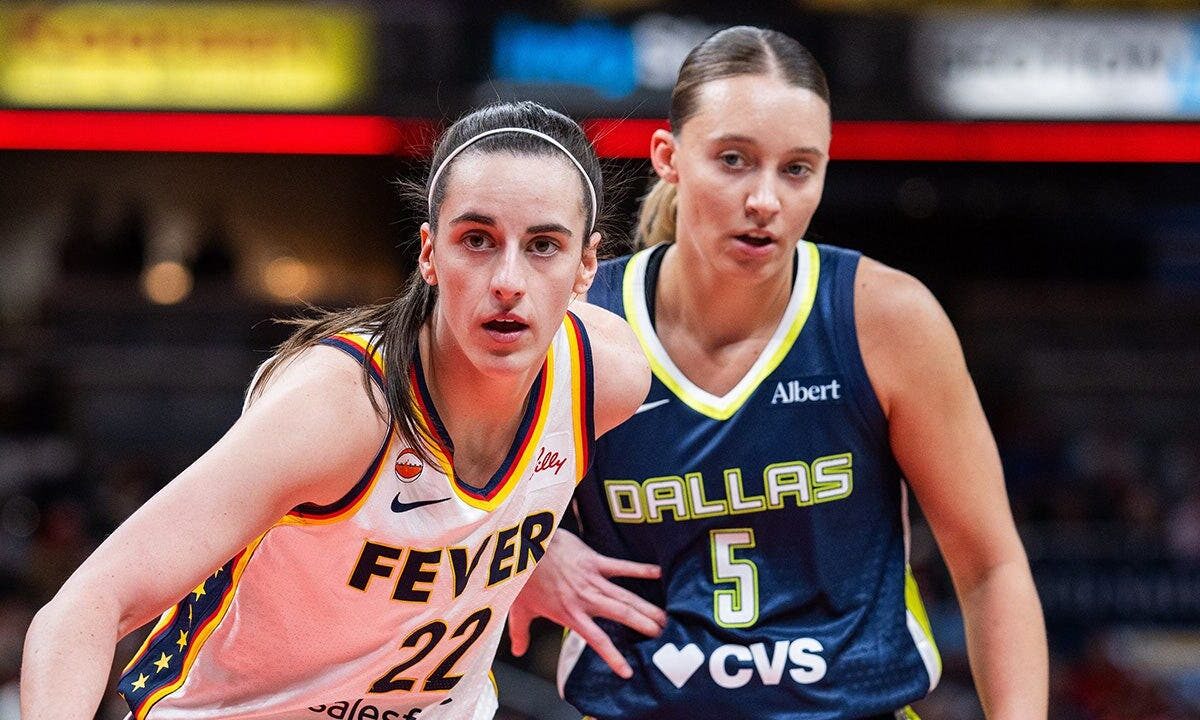
“I’m for equal opportunity, no discrimination based on what you look like, who you like and anything of that nature,” Paige Bueckers said in a postgame press conference Sunday after the Dallas Wings defeated the Chicago Sky. The Wings guard framed her answer around people who shaped her upbringing, saying she “grew up with a lot of prominent Black women,” including family members and youth coaches.
Her brief remarks landed in a broader conversation about who is hired into leadership roles in the WNBA, how media narratives shape perceptions of race and privilege, and how public comments from high-profile players can steer that conversation.
What Paige Bueckers said
When asked about Black women in WNBA coaching ranks, Bueckers emphasized fairness and opportunity rather than naming specific people or teams. “I understand how amazing they are and how they should get the same equal opportunity as a white woman, as a white man to be an important piece of this league,” she told reporters, adding that the WNBA “was built on a lot of Black women, so it’s definitely right for them to get the same equal opportunity as everyone else.”
The comments referenced both personal influences and the league’s history. Her tone was affirming: the point was framed as a call for access and recognition rather than a direct critique of individual coaches or front offices.
Coaching diversity in the WNBA
Discussions about race and hiring in the WNBA are not new. While the league’s history and player base are rooted in the achievements and leadership of Black women, representation among head coaches and front-office leaders has at times lagged behind that legacy. The WNBA has employed Black female head coaches at different points in its history, but observers and advocates say Black women remain underrepresented in head-coaching roles relative to the league’s player demographics and historical influence.
That gap matters for multiple reasons: it affects who is seen as a model for young coaches, who gets access to the top decision-making posts, and how narratives about leadership in women’s basketball are formed. Analysts point to factors such as scouting pipelines, the transition from playing to coaching, and how networks and hiring committees evaluate candidates.
Reactions and comparisons
Reaction to Bueckers’ comments was mixed and immediate. Some praised her for using a public platform to highlight an issue of structural access; others parsed her words amid ongoing cultural conversations about high-profile players and how they are covered.
Commentators varied in tone. On ESPN, former NFL receiver Harry Douglas offered an opinion that has circulated on social channels, suggesting parallels between expectations of other high-profile newcomers and Bueckers’ early WNBA career; that remark is an example of commentary tying on-court style and off-court perception. Such comparisons are opinion-driven and reflect broader debates, not uncontested facts.
Players contributed to the public back-and-forth as well. A hot-mic remark from A’ja Wilson praising Bueckers for understanding “her privilege” circulated widely and was framed by some as affirmation of Bueckers’ awareness; others read it as part of a larger conversation about how elite athletes navigate public issues. Social media amplified praise, critique and context, producing a mix of responses rather than a single consensus.
Coverage of the exchange has recalled Bueckers’ earlier public moments: outlets have noted her participation in social-justice conversations during her rise and cited previous remarks about media coverage of Black women. Those past moments help explain why her latest comments drew quick attention.
What this means for representation and next steps
One player’s postgame remark won’t, by itself, change hiring practices. But high-profile comments can shift public attention, prompt reporters to investigate hiring patterns, and increase pressure on teams to explain how they build coaching staffs. When prominent athletes raise representation issues, it can accelerate discussion about mentoring pipelines, the role of assistant-coach development, and transparency in hiring.
Practical steps that league stakeholders — teams, the WNBA and player leadership — could consider include more visible pathways from playing to coaching, expanded mentorship and internship programs, and public reporting on hiring processes for head-coach searches. Those kinds of changes require sustained effort from organizations and more than episodic media attention.
Bueckers’ framing — naming gratitude for Black women who influenced her and calling for equal opportunity — kept the immediate focus on structural access rather than personal attacks. That emphasis may help keep conversations centered on solutions: how to expand opportunity and recognition rather than assigning blame.
FAQ
What did Paige Bueckers say about Black women and WNBA coaches?
She said she supports equal opportunity and noted the league “was built on a lot of Black women,” urging that Black women receive the same opportunities to be key contributors in the league.
Are there any Black female head coaches in the WNBA right now?
The WNBA has had Black women serve as head coaches at various times in its history. Observers and reporting note that, overall, Black women remain underrepresented among head-coaching ranks compared with the league’s history and player demographics.
How did other players and media figures react to Bueckers’ comments?
Responses ranged from praise to debate. Media commentators offered comparisons and context (opinion-based), while players such as A’ja Wilson made remarks that circulated online. Social media produced a wide mix of reactions.
Source attribution: initial reporting and quotes referenced from Fox News coverage of Bueckers’ postgame comments. Additional context on coaching diversity and historical coaching roles is drawn from broader coverage of the WNBA and reporting by league outlets and national sports media. Readers seeking primary-source transcripts or full interview video should consult WNBA team releases and broadcast outlets for the postgame press conference.
As teams, media and fans continue to discuss coaching diversity, Bueckers’ brief intervention underscores how a single public comment from a high-profile player can refocus attention on persistent structural questions about representation, hiring and recognition in women’s basketball.


