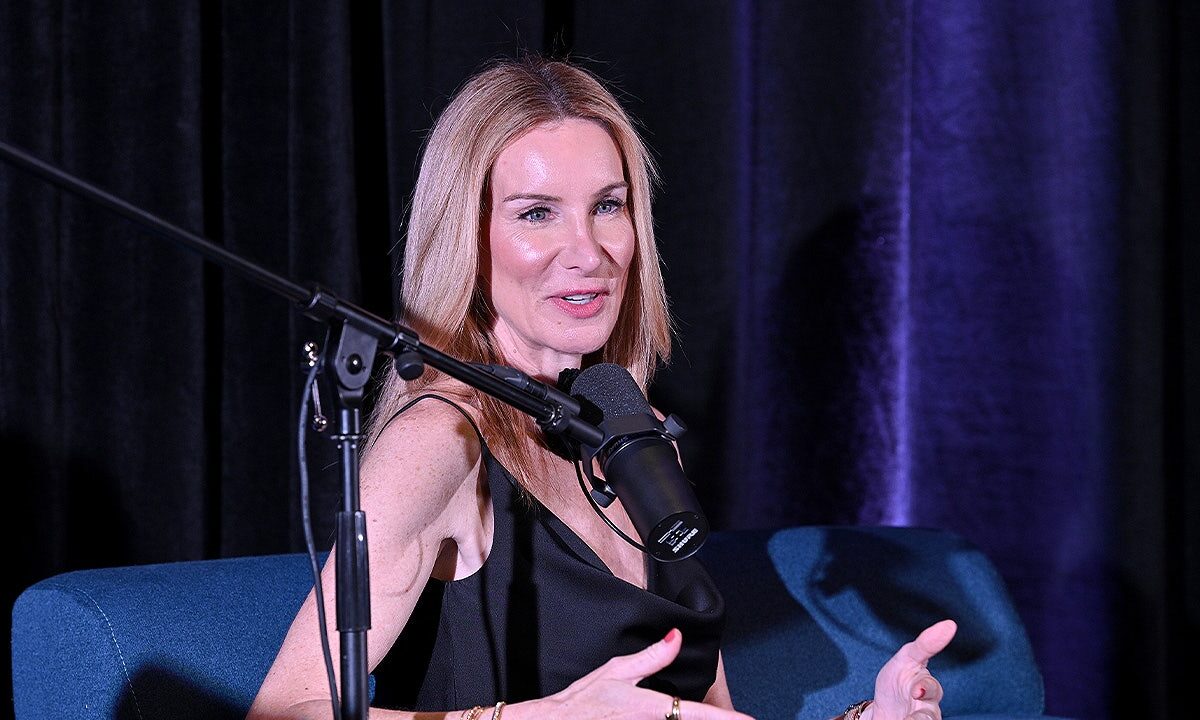
On their “I’ve Had It” podcast, co-hosts Jennifer Welch and Angie Sullivan mounted a forceful critique of homeschooling, describing it as a worrying trend and framing some homeschooling choices as harmful. The exchange began after a caller denounced “morons attempting to homeschool their children,” and the hosts expanded that criticism into a broader condemnation of the practice.
Podcast exchange and key quotes on homeschooling
The back-and-forth began when a caller to the show complained about “morons attempting to homeschool their children” and suggested some people “probably shouldn’t have even had children to start with.” Sullivan repeated the caller’s unease and said she worried about “people in Bible study” raising kids at home, arguing that some parents use home instruction to keep children insulated from differing viewpoints.
Welch amplified the dismissal with blunt language. She said, “This is trickle-down stupidity. This is MAGA on steroids. This is MAHA. This is tradwife… This is the worst, worst, worst.” Welch added that, in some cases, forcing one religion onto children before they can consider alternatives could amount to “child abuse,” a characterization she framed as her opinion about particular faith-driven homeschooling environments.
Sullivan also raised socialization concerns, calling the practice “weird as f—” and asking how children kept at home would gain exposure to peers and diverse ideas. Both hosts used those examples to argue that some forms of homeschooling shield children from outside perspectives and life experiences that traditional schools provide.
Why the hosts oppose homeschooling
Welch and Sullivan grounded their opposition in three core worries: the influence of religion, the socialization gap, and excessive parental control. They repeatedly returned to the idea that homeschooling can be used intentionally to limit a child’s exposure to other beliefs and social circles.
On socialization, Sullivan spoke from a personal angle, saying she would have done “anything to get my kids to school” to avoid isolation. Welch emphasized that when a single worldview is imposed at home, children may have limited opportunities to encounter and evaluate differing viewpoints — a core concern the hosts described as potentially harmful.
Those claims are presented here as the hosts’ opinions. The episode mixes anecdote and broad judgment, which critics on both sides say can oversimplify a complex educational choice that looks very different across families and states.
Defenses and counterarguments
Not everyone agreed with Welch and Sullivan. In a statement to Fox News Digital, American Culture Project senior fellow Corey DeAngelis pushed back, defending parental choice and the historical practice of home instruction. DeAngelis said, “Homeschooling isn’t some radical new experiment. Parents teaching their own children at home is how human beings learned for thousands of years.”
DeAngelis framed the modern public school as the recent experiment, calling the factory-model, government-run school system the institution that should be scrutinized for its failures. He argued that handing children to state-employed educators is not inherently superior, noting concerns about bullying, violence and ideological messaging in some public settings as part of his critique.
His response re-centers the debate on parental authority. “Parents teaching their own children” and the right to choose the child’s learning environment are central to defenders’ arguments, who say homeschooling can be tailored, academically rigorous, and social when families use co-ops, extracurriculars and community groups.
What the debate means for parents and public discussion
For parents weighing options, the episode highlights recurring fault lines: trust in public institutions versus confidence in parental authority; concerns about socialization versus worries about ideological or religious isolation; and differing definitions of child welfare.
Practical next steps for families include reviewing state homeschooling regulations, confirming access to homeschooling resources and curricula, and planning regular social opportunities such as sports, arts programs or cooperative learning groups. Those considering public school should look for transparency on curriculum and school climate; those considering home instruction should identify local support networks and oversight requirements.
Public reaction to the podcast was swift, reflecting polarized views about family choice and the role of schools in civic life. Observers on both sides said the discussion would benefit from more evidence-based analysis rather than ad hominem labels: policymakers and communities must balance parental authority with child welfare and community standards.
Source: Fox News – Latest Headlines — Far-left podcaster Jennifer Welch calls homeschooling ‘trickle down stupidity,’ a ‘huge problem’
Takeaways for parents
- Assess local rules: review your state’s homeschooling laws and oversight requirements.
- Consider social options: seek co-ops, extracurriculars and community programs to complement home learning.
- Evaluate curricula and support: choose resources that match your educational goals and seek outside assessments where possible.
- Focus on respectful discourse: weigh claims from all sides and prioritize evidence and child well-being when deciding.