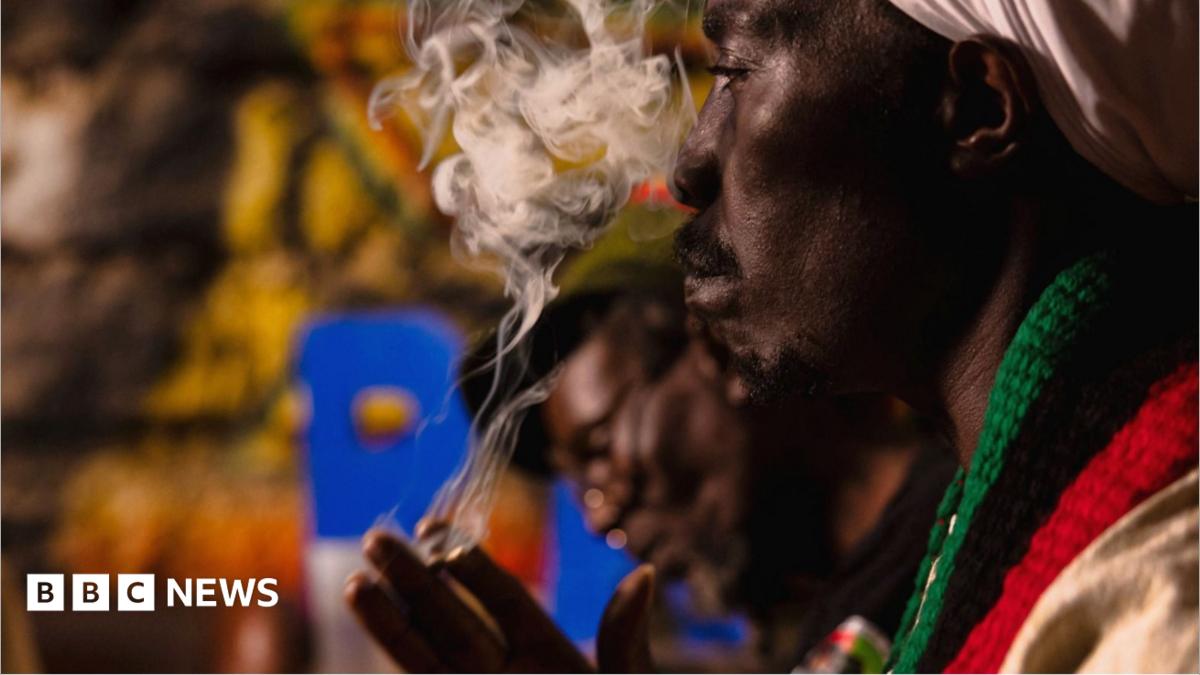
Kenya cannabis legalisation: A Kenyan court has dismissed a Rastafarian bid to legalise cannabis, while saying the wider question of how the country regulates the drug should be resolved through a national debate, the BBC has reported.
The ruling leaves the criminal and regulatory framework for cannabis unchanged for now, but it signals to lawmakers, ministries and civil society that policy broadening may be needed to address competing public interests.
Kenya cannabis legalisation: court ruling
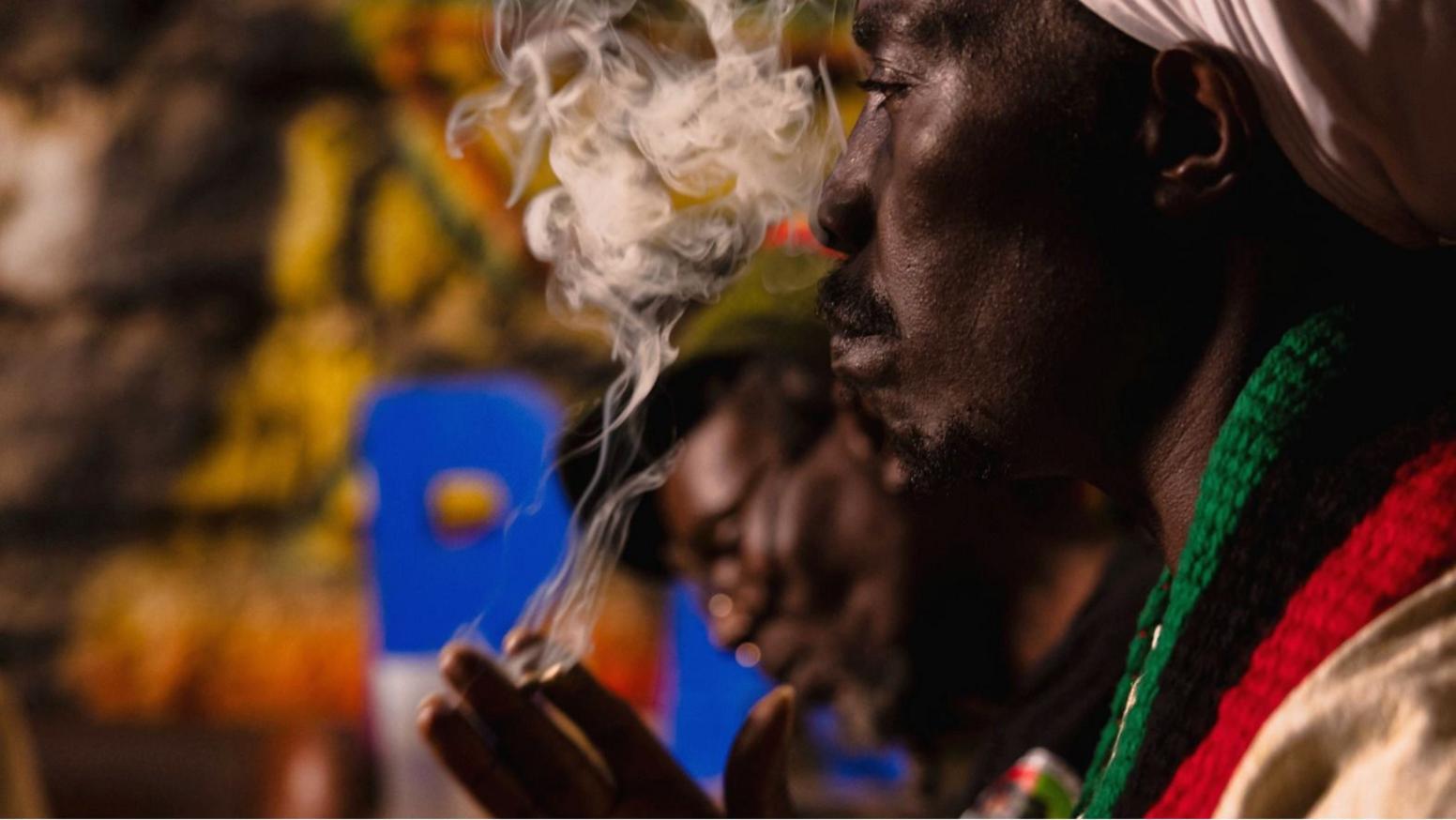
The court rejected an application by members of the Rastafarian community seeking a declaration to permit cultivation, possession and use of cannabis as part of their religious practice. The BBC reported that judges did not grant the relief the applicants requested.
Judges explained that the application asked the court to take decisions that would effectively change or override existing criminal laws and create regulatory arrangements. The decision stressed legal and evidentiary limits on what a court can do in a case framed as a test of broader national policy.
The panel noted it could not, by judicial declaration, fashion the comprehensive regulatory scheme the applicants sought. Instead, the court framed such changes as the responsibility of Parliament and relevant government bodies, acting after consultation and legislative process.
Why the court urged a national debate
The judges said matters raised by the case — including public health, criminal law, international obligations and religious freedoms — are complex and interlinked. They argued these are best addressed through broad discussion rather than piecemeal legal rulings.
In setting out its reasons, the court highlighted the need to weigh competing interests: protecting public safety and health, respecting cultural and religious rights, and upholding statutory criminal prohibitions. The ruling described a national debate as the appropriate forum to balance these considerations.
The recommendation for wider consultation is intended to bring together Parliament, government ministries, health experts, law enforcement and civil-society groups to consider evidence and possible regulatory frameworks before any change is made.
What the ruling means for Rastafarians and activists
For the applicants, the immediate legal outcome is clear: the court did not create an exemption to permit cannabis cultivation, possession or use on religious grounds. Existing offences and enforcement practices therefore remain in place unless and until lawmakers decide otherwise.
Advocates for legalisation and faith groups retain non-judicial options. The court’s emphasis on a national debate could strengthen calls for legislative or policy routes, including petitions to Parliament, advocacy campaigns and formal consultations with relevant agencies.
Observers say the ruling clarifies the boundary between judicial remedies and political decision-making on broad social issues. It leaves the substantive policy questions to elected bodies and administrative regulators, while reaffirming the role of courts in interpreting law rather than setting national policy.
Policy context and next steps
Under Kenya’s current legal framework, cannabis is treated as an illegal substance with penalties applying to possession, cultivation and sale. Debate over reform has surfaced periodically, with proponents pointing to medical, economic and social-justice arguments and opponents stressing public-health and crime concerns.
The court’s call for a national debate points to likely procedural next steps. These could include parliamentary debates, committee inquiries, government-led consultations and commissioned studies to review public-health and social impacts.
Practical processes might see members of Parliament table bills, parliamentary committees hold hearings, and government ministries seek expert input from health and law-enforcement agencies. Civil-society groups and faith communities may also push for public consultations to inform any policy shifts.
Any change to how cannabis is regulated would require lawmakers to consider evidence, international obligations and the perspectives of affected communities. The court’s opinion positions political institutions as the primary venue for that deliberation.
Source and attribution
This report is based on BBC News coverage: Kenyan court dismisses Rastafarians’ bid to legalise cannabis (BBC News).