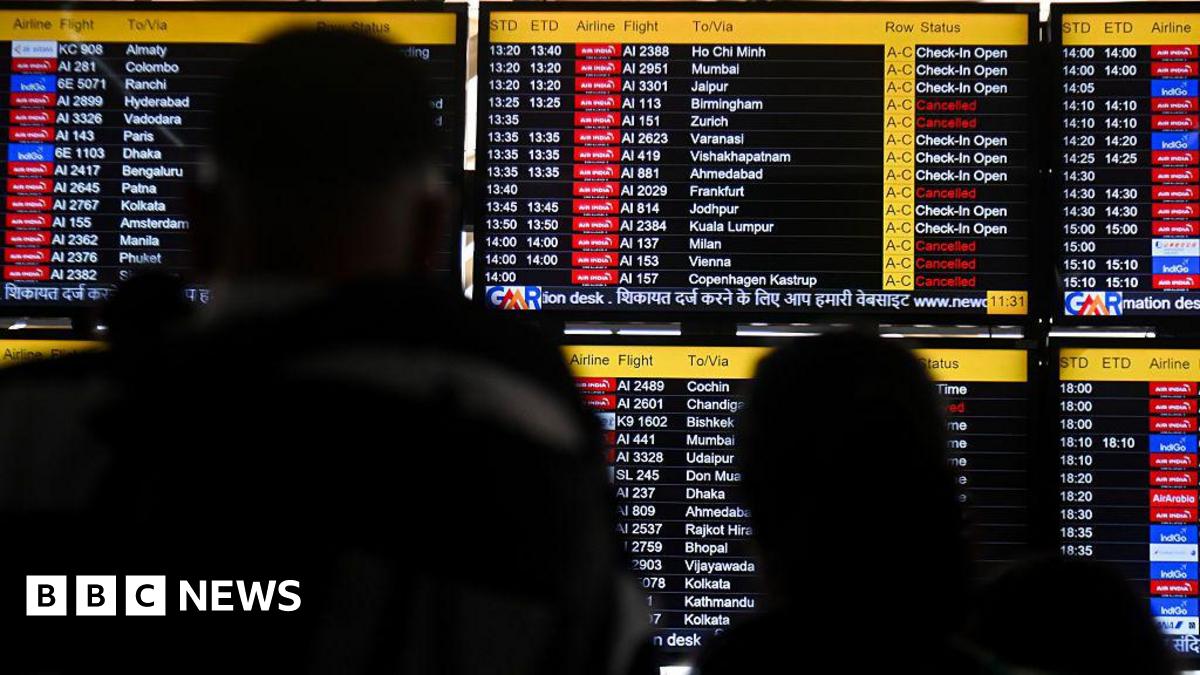
Flight cancellation and delay rights determine whether you can get your money back when an airline cancels or significantly delays a trip. This clear explainer covers what counts as a cancellation or delay, when refunds are common, the usual exceptions and a step‑by‑step checklist for making a claim.
Act quickly: keep booking confirmations and any airline messages, note the reason given for the disruption, and start a claim within the airline’s published timelines or your regulator’s complaint window.
What counts as a cancellation or delay
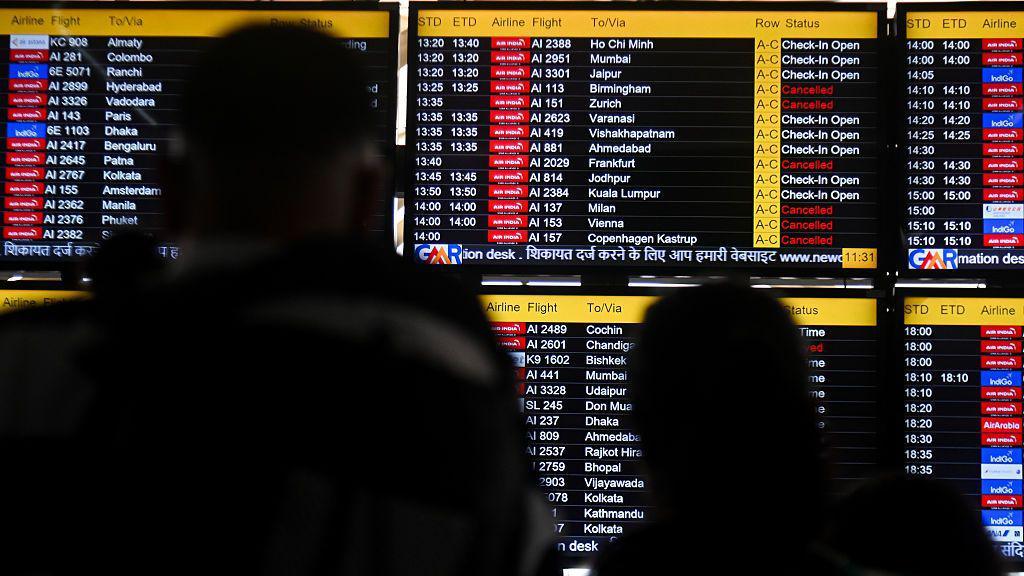
A cancelled flight is one the airline removes from the timetable or refuses carriage for at the scheduled time. A delay is any departure later than scheduled; whether a delay allows a refund depends on its length, the impact on your trip and the alternatives the carrier offers.
Short delays that only change arrival by a little usually do not lead to refunds. Long delays that mean you miss the purpose of the trip (for example a same‑day business meeting or an event) are more likely to result in a remedy, including refunds in some cases.
Flight cancellation and delay rights: when you can claim
You can typically claim a refund if the airline cancels your flight and you do not accept an alternative offered within a reasonable time. You may also be entitled to a refund when a delay is so long that it defeats the purpose of your journey.
Entitlement depends on three things: the airline’s contract of carriage (its terms and conditions), the law governing your itinerary (for example the law of the departure country or regions such as the EU), and what reasonable rerouting or rebooking the airline can provide.
If the airline rebooks you on a similar flight and you accept it, you may not be eligible for a refund but could be offered re‑routing, meals, accommodation or vouchers depending on policy and applicable law. If you reject a reroute and the carrier cannot transport you within a reasonable timeframe, a refund is a typical remedy.
Common exceptions and special cases
Not every disruption leads to a refund. Airlines commonly cite “extraordinary circumstances”—for example severe weather, air traffic control restrictions or security incidents—to limit liability for compensation. Whether an event qualifies as extraordinary can be contested and may require a regulator’s interpretation.
Codeshare or multi‑carrier itineraries can complicate claims. The operating carrier (the airline that actually operates the aircraft) is usually the first point of contact, even if you bought your ticket from a partner or travel agent. Fare rules, promotional tickets and upgrades also affect remedies—check your fare conditions, which form part of the contract with the carrier.
How to claim a refund: step by step
- Collect documentation. Save booking references, e‑tickets, boarding passes (if issued), confirmation emails and any text or app messages from the airline.
- Record what happened. Note the date and time of the cancellation or delay, the reason given by staff or the app, and any offers the airline made (reroute times, vouchers, accommodation).
- Contact the airline. Use official customer‑service channels on the carrier’s website or app. Ask for the formal terms of the refund or rerouting offer and request written confirmation of the remedy.
- Make your request in writing. If you want a refund, state that explicitly and attach your documentation. Keep copies of all correspondence.
- Respect time limits. Submit claims as soon as practical. Jurisdictions and airlines set different deadlines; early filing preserves options if you later escalate to a regulator.
- Escalate if needed. If the airline refuses or stalls, contact the regulator for the departure country (for UK flights, for example, that is often the Civil Aviation Authority). Consider alternative dispute resolution or a consumer complaints portal before legal action.
Be careful with third‑party claims firms: they can help but normally charge fees or take a share of any settlement. You can often make a direct claim with the carrier first.
Key takeaways
- Keep all booking and communication records; they are essential evidence for any claim.
- Refunds are more likely when an airline cancels and cannot rebook you within a reasonable time, or when a delay destroys the trip’s purpose.
- Extraordinary circumstances are treated differently from operational failures; whether an event qualifies can require regulator review.
- Check the regulator covering your flight and file claims promptly; rules and deadlines vary by jurisdiction.
Source: BBC News – Business. For the original explainer see: What are my rights if my flight is cancelled or delayed?