
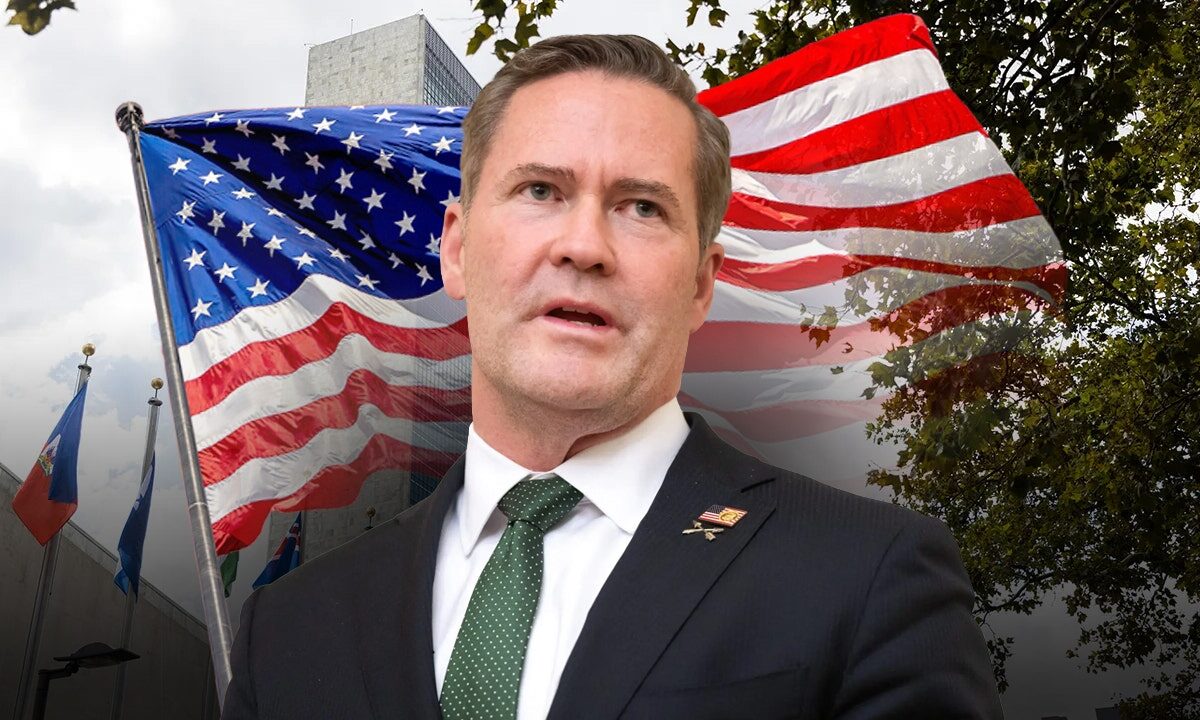
Trade Over Aid: the forum at the U.S. Mission to the United Nations gathered representatives from 46 countries, multilateral institutions and private companies to promote a shift from traditional taxpayer-funded aid toward private investment and trade-led development.
Organizers unveiled a digital library listing 63 offers of technical assistance, financing proposals and partnership commitments from governments, firms and NGOs. They framed the library as a tool to lower transaction costs and convert offers into concrete transactions without open-ended U.S. grant commitments.
What happened at the “Trade Over Aid” forum
The meeting included diplomats, U.N. agencies, development banks and corporate representatives from Microsoft, Google, JPMorgan, Goldman Sachs, Boeing, Walmart, Mastercard and Meta. Ambassador Mike Waltz and Ambassador Dan Negrea led the U.S. presentations, emphasizing a reorientation toward market-based interventions.
Officials described the digital library as a searchable catalog intended to match partner-country needs with private and multilateral offers. Negrea said the aim is to convert the listed offers into usable outcomes for governments and investors.
How the policy replaces USAID and official tools
U.S. officials reiterated that the administration moved to dismantle USAID in 2025 and reassigned many of its functions as part of a broader reorganization. The new framework places greater emphasis on the U.S. International Development Finance Corporation (DFC) and multilateral guarantees, particularly from the World Bank, to make higher-risk projects investable for private capital.
Waltz told reporters the DFC and World Bank guarantees can serve as risk insurance to attract private investors. He presented the shift as a strategic and fiscal recalibration: fewer open-ended grants, more transactions tied to market activity and private-sector participation.
Private sector role and corporate participants
Private firms featured prominently in both the room and the offers catalog. Officials argued that large financial institutions and technology companies bring capital, platforms and market access that can scale projects more efficiently than some grant models.
Speakers highlighted potential partnerships in critical minerals, digital infrastructure and capacity-building. Companies and bankers reiterated they need predictable legal frameworks and arbitration to commit capital overseas — an ongoing request reportedly raised by representatives from J.P. Morgan and Goldman Sachs.
Limits and criticisms: why trade cannot replace aid overnight
Participants and outside observers warned that private investment is not a rapid substitute for humanitarian assistance. Several speakers pointed to crises such as the Ebola outbreak in eastern DRC to illustrate settings where emergency aid remains essential.
Experts at the forum cautioned about the limits of private-led models in fragile contexts. Former development officials and corporate representatives noted weak rule of law, corruption, security risks and underdeveloped markets constrain investment. Ambassador Waltz conceded, “It is incredibly risky,” noting investors often require robust guarantees before entering volatile markets.
What comes next: deliverables, measurements and next forum steps
Organizers set priorities for turning the 63 listed offers into actual projects: encourage governments to register needs in the digital library, mobilize DFC and World Bank tools where appropriate, and convene private partners for pilot projects. Negrea told attendees, “We want to see more deliverables,” stressing the need for measurable outcomes such as contracts, capacity-building engagements and demonstrable benefits for partner countries.
Officials said they will report back on progress at subsequent forums and monitor efforts to convert offers into concrete outcomes rather than catalog entries.
Expert reaction and early-stage concerns
Observers welcomed the focus on jobs and investment but urged realism about timelines and incentives. Many warned that private capital normally flows to lower-risk opportunities and that building institutions, workforce skills and regulatory frameworks takes time — meaning results may be uneven and long-term rather than immediate.
The initiative’s success will hinge on aligning private-sector incentives with sustained public and multilateral support in fragile settings and on credible risk-mitigation instruments that reassure investors without shifting undue costs to taxpayers.
Source attribution
This report is based on original reporting by Fox News Digital. Key quoted officials at the forum included Ambassadors Mike Waltz and Dan Negrea. Read the Fox News Digital report: https://www.foxnews.com/world/trump-officials-unveil-private-sector-blueprint-life-after-usaid


