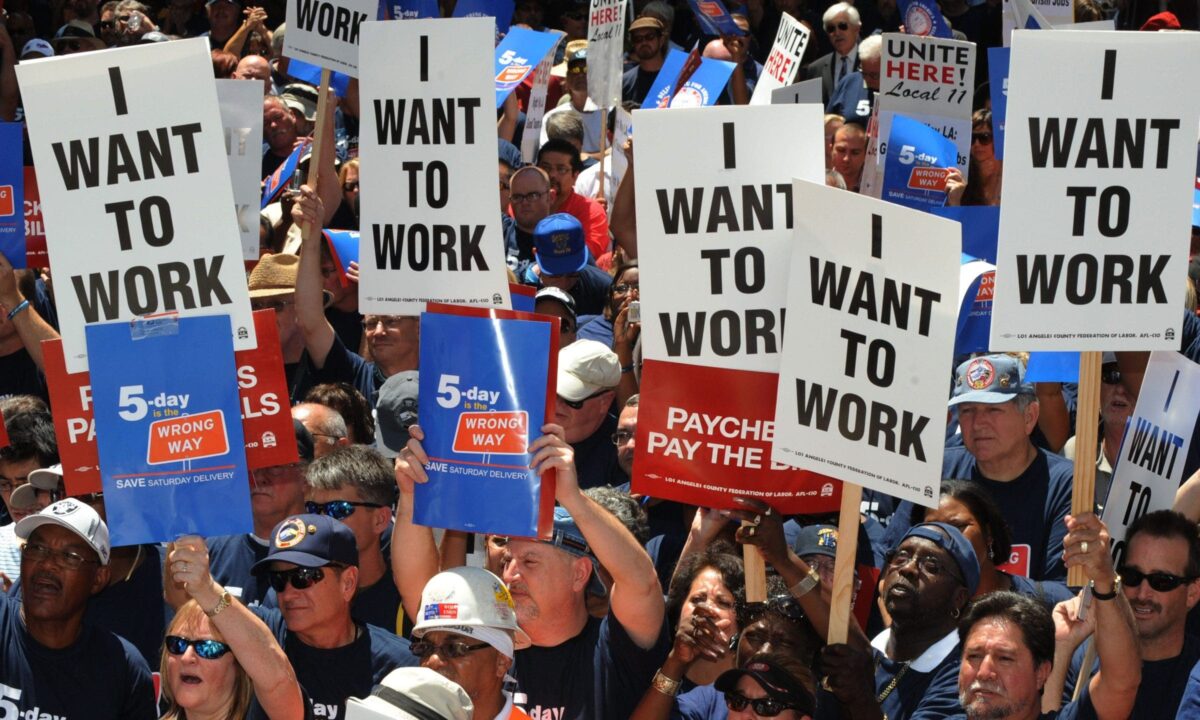
Rep. Riley Moore opened the debate bluntly: the H-1B visa program is “a scam,” he told Fox News Digital, and should be abolished along with the student-to-work Optional Practical Training (OPT) pathway. Moore framed the issue as one of American workers losing entry-level and midlevel tech roles to visa-sponsored hires and argued the market has been “rigged” in favor of corporate demand for cheaper or more pliant staff.
H-1B visa program: what it is and how it’s used
The H-1B visa program is a temporary work authorization for high-skilled foreign nationals in specialty occupations. Employers sponsor H-1B workers for an initial three-year term, commonly extendable to six years under standard rules. Over time beneficiaries can pursue permanent residency, frequently through employer sponsorship and employment-based green card categories.
Proponents of the H-1B visa program say it fills crucial gaps in specialized skills and supports innovation. Critics, including Moore, contend employers sometimes substitute visa hires for qualified U.S. applicants or use internship-and-student programs like OPT to source low-cost labor pipelines that feed H-1B sponsorships.
What Riley Moore says
Moore’s case combines anecdote and data-driven argument. He told Fox News Digital that U.S. college graduates were first nudged into coding careers and then found some of those positions filled by visa-sponsored workers rather than domestic hires. He described OPT as “perhaps more pernicious” because students come on F-1 visas and then transition into the labor market, increasing employer access to foreign graduates who can be sponsored for H-1B status.
Moore also signaled that the sentiment is not isolated. He said he has heard private support among Republicans for more aggressive action and predicted the discussion could shift from private conversations to committee hearings and floor action if lawmakers press the point.
Company use and recent layoffs
Moore and others point to large firms that regularly appear in H-1B employer lists: Amazon, Cognizant, Infosys, IBM and Microsoft are among those cited by reporting and critics. Those company names are part of a narrative linking corporate hiring practices to broader labor-market trends.
Recent workforce moves have sharpened the debate. Microsoft’s Xbox division announced reductions that affected about 1,600 employees. Reporting also noted Microsoft had approvals for roughly 2,273 H-1B visa positions this year — a figure opponents use to argue that some employers are simultaneously cutting staff while maintaining or increasing visa-sponsored roles.
Supporters of employers say layoff decisions reflect business cycles, product plans and restructuring, not visa policy alone. Critics counter that the concentration of H-1B hires in certain firms and roles deserves closer legislative scrutiny to ensure American workers are not unfairly displaced.
Legal and policy context
Efforts to alter or eliminate the H-1B visa program would confront legal, administrative and political hurdles. A high-profile attempt during the prior administration to reshape employer costs included a proposed $100,000 fee on some employers seeking H-1B workers; a federal judge blocked that measure, finding it amounted to a tax only Congress may impose.
Agency and research data inform both sides. U.S. Citizenship and Immigration Services (USCIS) has noted that a large share of H-1B holders who later become permanent residents do so through employment-based green card routes. Independent analysts have offered population estimates of H-1B workers in recent years — numbers often cited in the debate about scale and impact.
By the numbers
- Typical H-1B initial term: three years; standard extensions up to six years.
- Estimated H-1B workers (analysis cited in reporting, 2021): roughly 619,000.
- USCIS reporting: about 80% of H-1B holders who later obtain green cards do so via employment-based routes.
- Reported Microsoft H-1B approvals this year: ~2,273; reported Xbox layoffs: ~1,600.
Why it matters and what comes next
Any move to end or sharply curtail the H-1B visa program would have wide-ranging consequences. Employers that rely on foreign technical talent warn of talent shortages and delayed projects. Foreign nationals on H-1B or OPT face uncertainty about career paths and long-term residency prospects. And policy changes could reshape wage dynamics, hiring practices and company staffing strategies.
For Congress, options range from targeted reforms — such as stronger wage floors, improved labor-market attestations, or tighter OPT rules — to comprehensive proposals that would phase out or abolish H-1B entirely. Legislative change requires bills to pass committee review, floor votes in both chambers and the president’s signature; absent statute, administrative changes are possible but often invite litigation.
Bottom line
Rep. Riley Moore’s call to abolish the H-1B visa program and OPT elevates a recurring fault line in immigration and labor policy debates: balancing employer access to skilled foreign labor with protections for domestic workers. The argument combines company-level examples, agency statistics and legal history to press for substantive change. Whether that translates into legislative action will depend on political priorities, committee agendas and how lawmakers weigh data presented by both supporters and critics.
Sources: Fox News Digital reporting; U.S. Citizenship and Immigration Services (https://www.uscis.gov/); National Foundation for American Policy (https://www.nfap.com/).