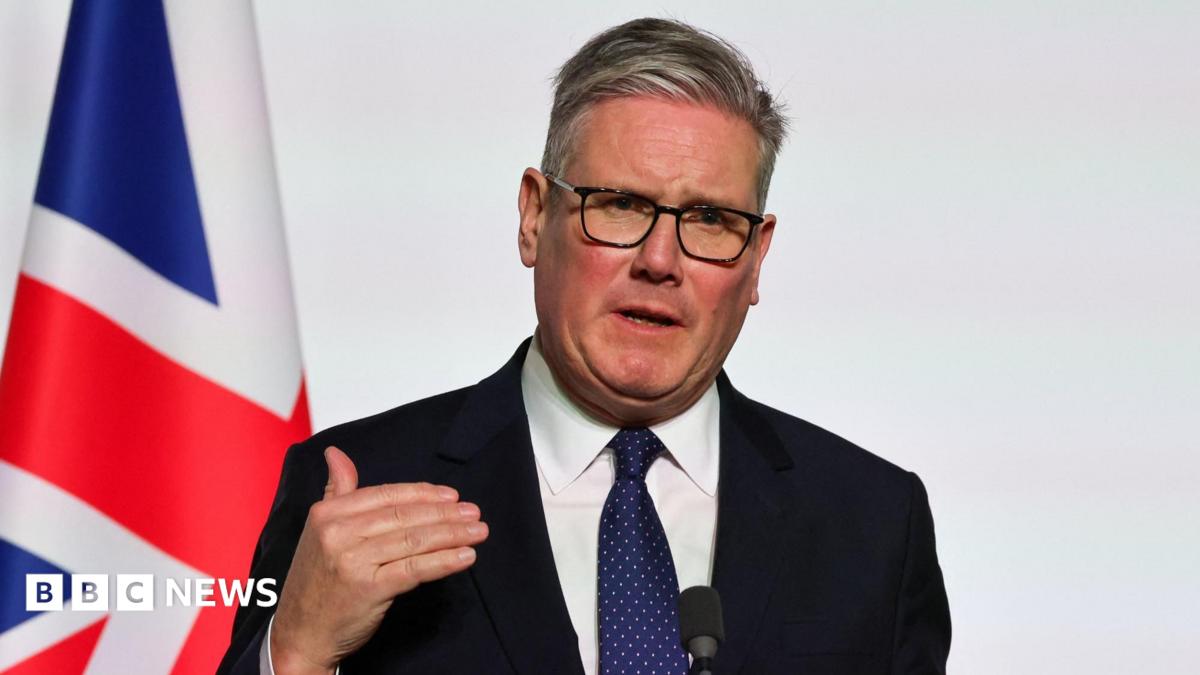
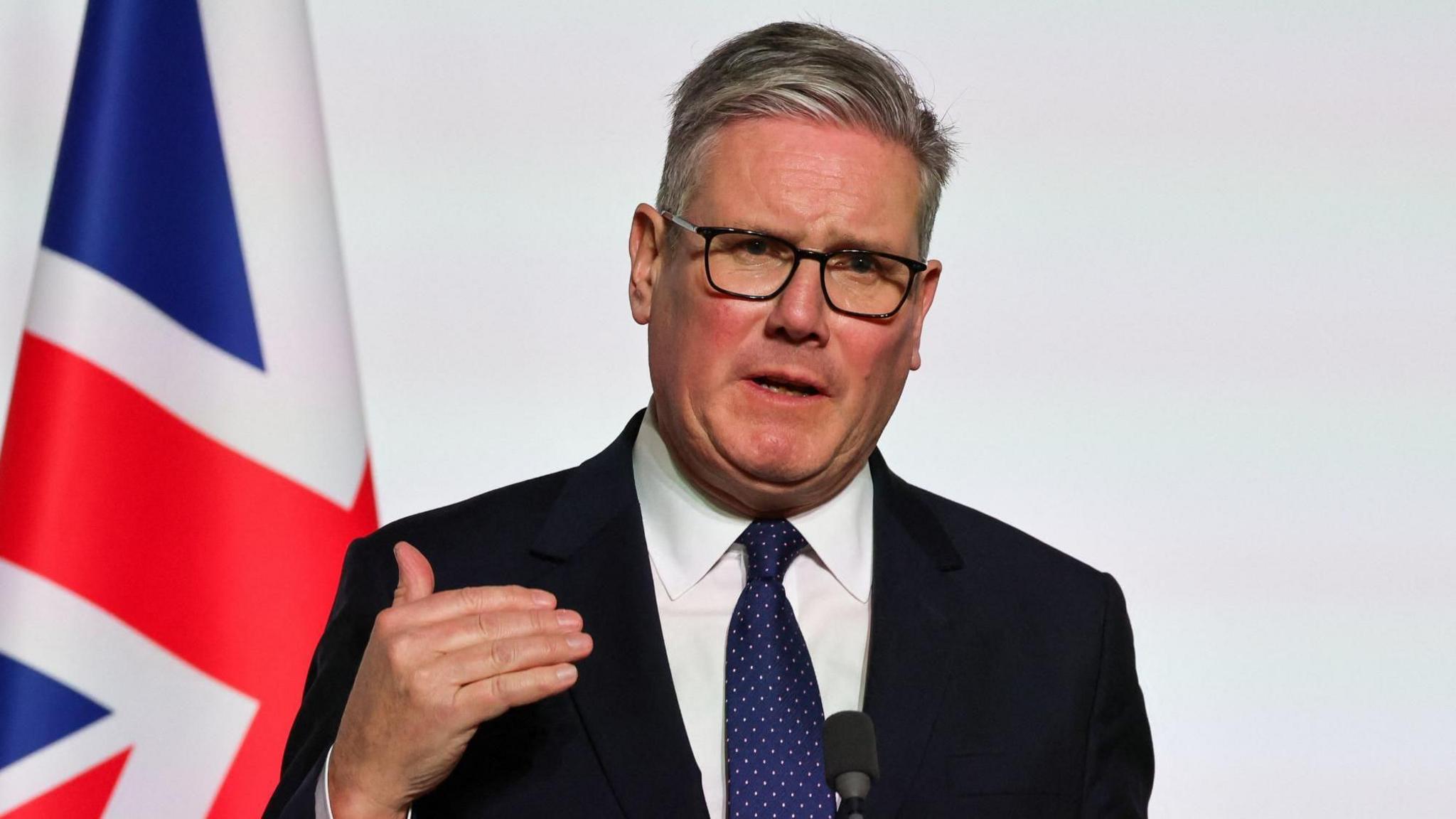
Prime Minister Starmer will travel to Kyiv later on Thursday for a meeting with Ukrainian President Volodymyr Zelensky, in what officials have described as his final trip. The Starmer visit to Ukraine is expected to include a public pledge of the United Kingdom’s “cast-iron” support and a series of high-level talks on security, humanitarian aid and diplomatic cooperation.
Quick facts
- Starmer visit to Ukraine
- Meeting with Ukrainian President Volodymyr Zelensky
- Location: Kyiv
- Timing: later on Thursday
- Pledge: “cast-iron” support from the United Kingdom
Starmer visit to Ukraine: meeting details
The prime minister’s schedule is expected to include meetings at official sites in central Kyiv with President Volodymyr Zelensky and senior Ukrainian officials. Delegation members from the United Kingdom will attend, focusing on security, humanitarian and diplomatic issues. Security arrangements and transport were coordinated by both sides ahead of the visit.
Briefings from ministers describe the talks as compact but high-level, intended to reaffirm long-term commitments and to review immediate priorities on the ground. Officials say there will be opportunities for private bilateral discussions as well as a joint public statement.
What the pledge means
Ministers have used the phrase “cast-iron” support in briefing material to signal firm political backing. That formulation is intended to reassure Kyiv and international partners that the United Kingdom will remain a steady diplomatic and material partner.
“cast-iron support”
In practice, such language typically covers a combination of continued diplomatic advocacy, coordination on sanctions and ongoing deliveries of humanitarian or military assistance where already committed. It does not necessarily imply the immediate announcement of a new, separate package; rather, observers say it underlines continuity and readiness to act alongside allies.
What comes next for UK–Ukraine relations
After the Kyiv talks, immediate follow-up is likely to take the form of joint statements, technical working groups and continued liaison between UK and Ukrainian officials to track needs and deliveries. Officials commonly use post-visit briefings to set out any new or clarified commitments arising from face-to-face talks.
Possible short-term actions that align with a “cast-iron” pledge include stepped-up coordination in international fora, confirmation of existing aid schedules, or logistical support to speed deliveries. Ministers may finalise details before making public announcements; such processes tend to involve consultations with partners and implementing agencies.
Background and context
Since 2022 the United Kingdom has been a consistent partner for Ukraine, providing political backing, sanctions coordination and various forms of aid. That history is the backdrop for this visit and explains why high-level meetings are closely watched in Kyiv and among allied capitals.
Visits by UK leaders carry both symbolic and practical weight: they serve to sustain international momentum, demonstrate solidarity, and allow senior officials to address urgent operational or policy questions that are harder to resolve remotely. For Kyiv, renewed public commitments help sustain domestic and international confidence in continued support.
Next steps and follow-up
Officials say the likely next steps include interdepartmental work to translate high-level pledges into implementable actions, and continued engagement with allies to ensure coordinated responses. Any specific deliveries, new programmes or shifts in policy would normally be announced once agreements are formalised and logistical arrangements are in place.
Observers in Kyiv and London will watch for details in post-visit briefings that outline how the “cast-iron” language is operationalised in the weeks ahead.
FAQs
What happened with Starmer visit to Ukraine?
Prime Minister Starmer travelled to Kyiv later on Thursday to meet President Volodymyr Zelensky. Officials say the meeting was intended to reaffirm the United Kingdom’s support and to discuss security and aid coordination.
Why does Starmer visit to Ukraine matter?
The visit matters because it signals continued political backing from the United Kingdom and helps coordinate support at a senior level. A public pledge of “cast-iron” support aims to reassure Kyiv and international partners about the UK’s ongoing role.
What happens next?
Short-term next steps are expected to include diplomatic follow-up and potentially announcements on specific aid or coordination measures once officials have finalised details. Technical teams from both sides typically work to implement any agreed measures after high-level meetings.
Source: BBC News