Roger Rogoff firing came after he was sworn in as U.S. attorney for the Western District of Washington by the district’s judges, then removed by the Trump administration less than an hour later, officials told reporters and were described in primary coverage.
Roger Rogoff was sworn in before 8 a.m. at the federal courthouse in downtown Seattle, went to the U.S. Attorney’s Office to meet office leadership and was notified by email while waiting in the lobby that the president had removed him from the post.
Timeline of the swearing-in and removal
Shortly before 8 a.m., the district’s judges administered Roger Rogoff’s oath and appointed him to fill the vacancy, according to reporting. After the ceremony he proceeded to the U.S. Attorney’s Office to introduce himself and request a meeting with Charles Neil Floyd, the administration’s preferred pick.
While Roger Rogoff waited in the lobby, an email informed him he had been removed. The district’s appointment action was taken by the court’s active and senior judges, a bench that includes judges appointed by both Democratic and Republican presidents.
Legal rules that govern interim U.S. attorney appointments
Federal statute governs competing interim appointment routes. Under 28 U.S.C. § 546, the attorney general may name an interim United States attorney to serve up to 120 days. If the vacancy persists beyond that period without a Senate-confirmed nominee, district court judges may appoint a U.S. attorney to serve until the vacancy is filled, a mechanism courts have relied on in recent disputes.
As reported by Fox News, Acting Attorney General Todd Blanche described the practical tension in his public remarks to senators: “District court judges can appoint a temporary U.S. Attorney, and POTUS can fire them.” That division of authority — between statutorily limited AG appointments and judge-made appointments — is at the center of the Seattle dispute.
Who the local players are and what they said
Roger Rogoff is a former King County Superior Court judge and longtime state and federal prosecutor. He told reporters he understood the risks of accepting a court appointment and said the judges’ decision was “humbling and amazing,” according to coverage.
Charles Neil Floyd has been the administration’s preferred candidate. His 120-day interim designation expired in February; he remained in the office as first assistant U.S. attorney while the top slot sat vacant, reporting indicates.
Sen. Patty Murray of Washington criticized the removal in a written statement provided to reporters, saying Roger Rogoff “has demonstrated an outstanding commitment to public service, and he was appointed legally by the federal judges in the Western District of Washington.” In that statement she added that the administration “doesn’t want to deal with advice and consent — they just want to install cronies,” language included in her release and cited in coverage.
Why the firing matters for prosecutions and DOJ staffing
Leadership changes at the U.S. attorney level can affect case priorities, staffing and ongoing prosecutions. U.S. attorneys set enforcement emphasis for criminal and civil matters; abrupt replacements can disrupt transitions for assistant U.S. attorneys and career staff handling sensitive investigations.
The dispute in Seattle echoes recent legal fights in other districts, including litigation in New Jersey and Virginia where judges scrutinized the lawfulness of certain acting appointments. In some past cases, courts have found particular acting appointments unlawful and that finding has, in isolated instances, led to dismissal of charges tied to officials whose authority was questioned — outcomes that underscore how appointment disputes can ripple into case-by-case consequences.
Ultimately, Senate confirmation is the durable route to fill U.S. attorney posts. But when nominations stall or political fights over appointments arise, a patchwork of interim paths — AG appointments, judge-made appointments and executive actions — can produce legal uncertainty and operational friction for local federal offices.
What Roger Rogoff may do next
Roger Rogoff has retained an employment law firm and is evaluating his options, including a potential legal challenge to the removal, reporting said. Possible paths include court filings seeking relief or negotiated resolution; past disputes have produced a mix of outcomes, from court-ordered remedies to settlements or changes in office staffing without extended litigation.
If Roger Rogoff files suit, courts could be asked to resolve the scope of judicial appointment authority and the interplay with executive removal power. How a judge frames statutory interpretation of 28 U.S.C. § 546 and related provisions would be central to any remedy.
Local reaction and expert context
Local elected officials and legal observers privately and publicly expressed concern about the breakdown in customary consultation between the Justice Department and the district’s judges. A federal observer quoted in reporting criticized the judges’ move as abandoning the time‑honored consultation process so the administration could ensure the selected U.S. attorney fit its preferences, language cited in coverage.
Supporters of the judges’ action argue that the judicial appointment route exists precisely to avoid prolonged vacancies and that judges in the Western District acted within the statutory framework to maintain continuity of the office.
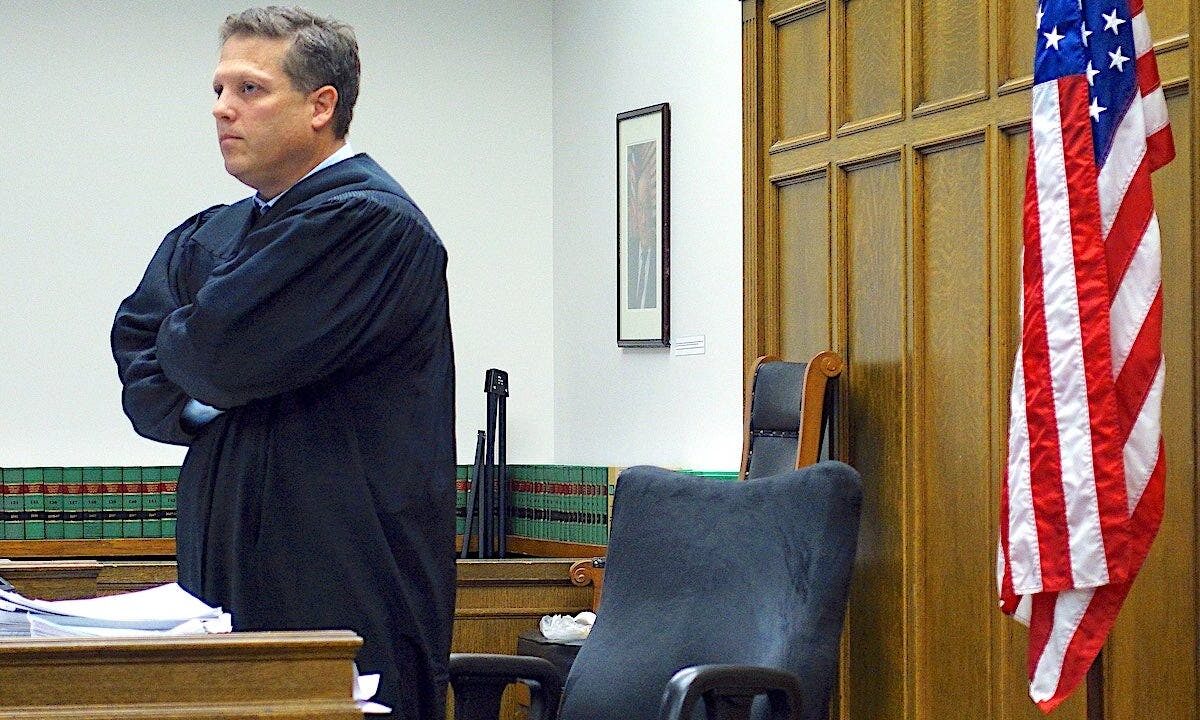
An approved image for this article shows the federal courthouse in downtown Seattle; the planned caption notes the courthouse as the site where Roger Rogoff was sworn in. (The piece uses an approved body image candidate supplied in media assets.)
FAQ
Was Roger Rogoff legally appointed before he was fired?
Yes. Under 28 U.S.C. § 546, after an attorney general’s 120‑day interim appointment expires, district court judges may appoint a temporary U.S. attorney. The district’s judges appointed and sworn in Roger Rogoff before his removal.
How can a president remove a U.S. attorney appointed by judges?
The president retains authority to remove U.S. attorneys. Acting Attorney General Todd Blanche described the conflict in public remarks to senators: judges can appoint a temporary U.S. attorney, but the president can remove that appointee, as reported by Fox News.
What happens next for federal cases in the Western District of Washington?
Day‑to‑day prosecutions typically continue under career prosecutors and the first assistant. Leadership turnover can change priorities and impose transitional burdens. If litigation follows, courts could be asked to resolve who lawfully held the office, which could create short‑term uncertainty until resolved.
Source attribution and next steps
This account is based on primary reporting from Fox News, which provided on‑the‑record statements and background for the sequence of events: https://www.foxnews.com/politics/trump-admin-fires-us-attorney-seattle-minutes-after-appointed. Quotes from Acting Attorney General Todd Blanche and Sen. Patty Murray are drawn from statements reported there. We will monitor filings and official statements and update this story as new documents or court actions are filed by the parties.