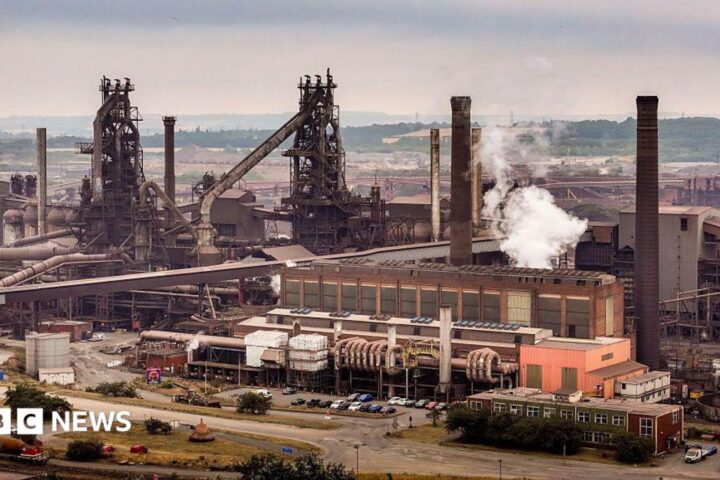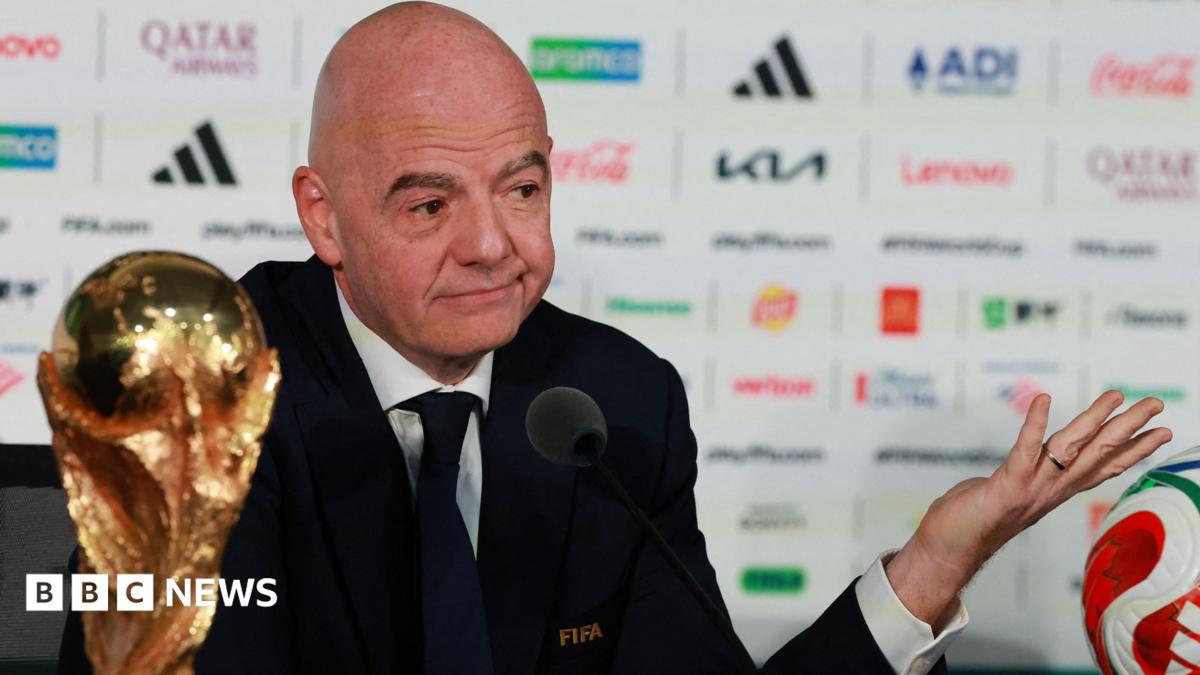
The BBC Business team warned that “Big bucks are being made from the 2026 tournament off the field,” and those dynamics are central to understanding the 2026 World Cup finances. The tournament’s commercial ecosystem — broadcasting, sponsorship, hospitality and related services — is generating large sums well before any whistle blows.
This review breaks down how those revenues flow, who is positioned to gain or face exposure, and what investors and host cities should watch in the months ahead.
2026 World Cup finances
What the BBC found
The BBC Business article titled “The financial winners and losers from the World Cup” sets the frame: commercial parties are already profiting from the event, while public costs and local impacts vary by host. The reporting highlights the scale of off-field earnings and flags uneven distributions between private rights-holders and public hosts.
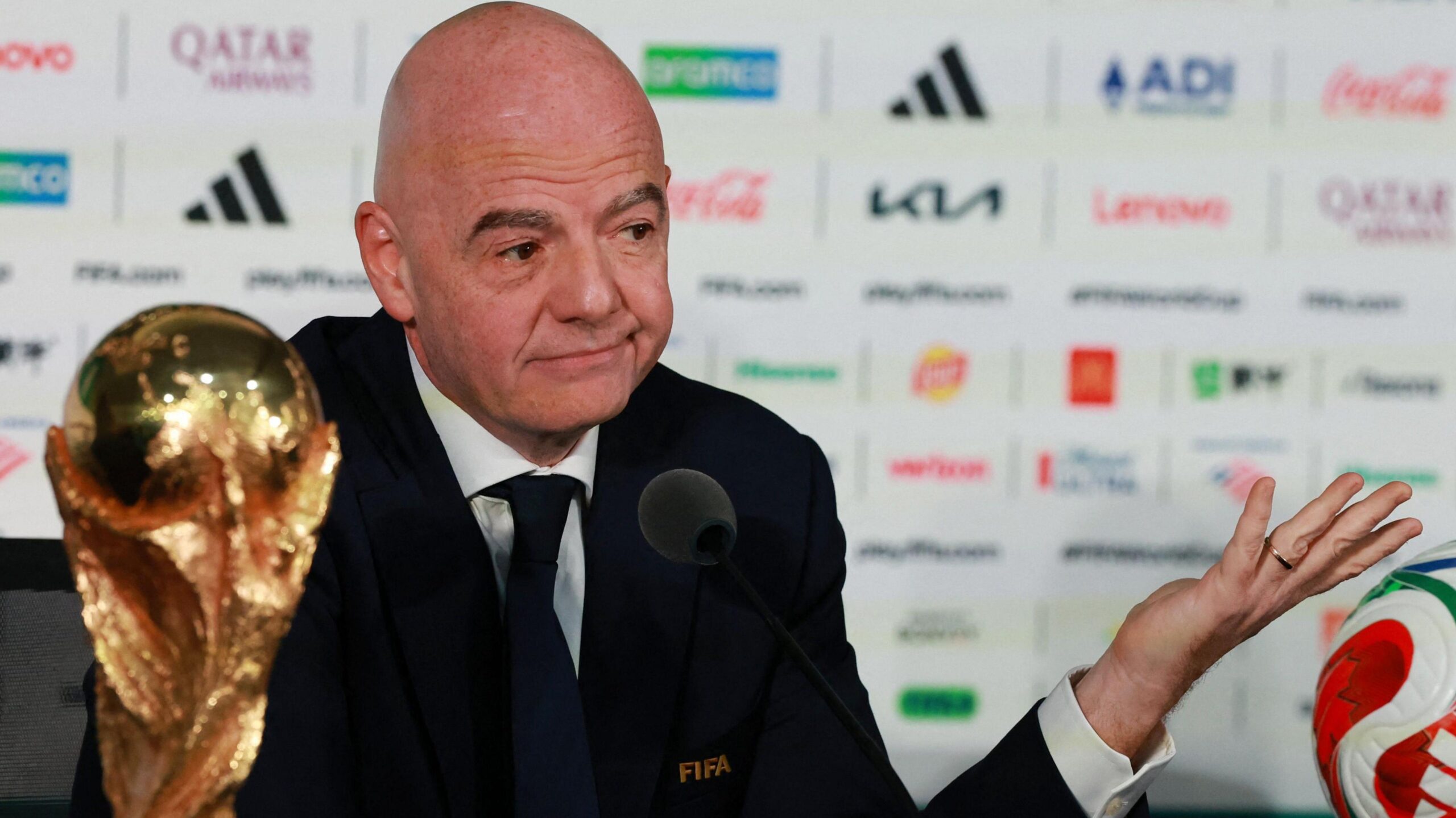
That piece is the basis for this analysis: it describes major commercial flows tied to the tournament and notes that revenue distributions and public spending differ across venues and stakeholders.
How 2026 World Cup finances work
At a basic level, 2026 World Cup finances outside the matches rest on several repeatable revenue streams. Broadcasting rights are sold globally; sponsorship packages bundle brand exposure across stadiums and broadcasts; hospitality and corporate tickets sell at premium prices; and licensing and merchandise add further returns.
These off-field earnings are coordinated by tournament organisers, rights holders and private partners, often through multi-year contracts. Local host arrangements can add other revenue lines — venue fees, local sponsorships and incremental tourism spending — but can also create cost liabilities that fall to municipal or regional governments.
Who gains and who may lose
Based on the BBC’s reporting and standard sports-economics models, likely financial winners include commercial rights holders, global broadcasters, major sponsors and service providers contracted for hospitality, staging and logistics. These parties typically capture the bulk of pre-match commercial revenue through negotiated deals and packaged rights.
Potential losers — or those exposed to financial risk — include public authorities and local taxpayers in hosting jurisdictions, which can shoulder stadium upgrades, transport and security costs. Smaller local businesses may benefit from visitor spending but often see uneven gains depending on location and timing.
It is important to stress caution: the BBC source does not list verified individual companies or specific contract winners. Any attribution of outsized profit to named firms would need direct confirmation from contracts or reporting.
By the numbers
The BBC frames the scale as substantial but does not publish a complete set of monetary figures in the report. Rather than inventing numbers, this snapshot lists the revenue and cost categories the BBC highlights as most significant:
- Broadcasting and media rights — the principal global revenue driver.
- Sponsorship and advertising — multi-market brand deals tied to stadiums and broadcasts.
- Hospitality, corporate sales and ticketing — premium services with high margins.
- Local public spending — infrastructure, transport and security that can create long-term liabilities.
These categories together explain why headline commercial returns can coexist with local fiscal stress: different stakeholders capture very different slices of the economic pie.
What comes next for investors and cities
In the near term, investors and city officials should monitor contract disclosures and post-award reporting. Key signals include broadcasting and sponsorship contract details, ticketing revenue splits, and municipal budgets for venue-related spending.
Policy implications are practical. Host governments that negotiate clearer cost-sharing, legacy-use plans for venues, and greater transparency in contracts can reduce the risk that public budgets bear disproportionate costs. Private investors will watch enforceable revenue streams and the stability of partner agreements.
Background and caveats
This analysis synthesises the BBC Business report and general market understanding of large sports events. It does not assert new facts about contract terms or name-specific corporate winners unless those details are cited by the source.
Because the original reporting does not publish a full list of contract winners or exact monetary figures in every category, conclusions here are framed as likely outcomes and exposure points rather than definitive allocations of profit or loss.
FAQs
Who benefits financially from the 2026 World Cup?
Broadly, commercial rights holders, broadcasters, major sponsors and hospitality contractors tend to capture outsized commercial returns. Local businesses can also benefit from visitor spending, while public bodies may pick up infrastructure and operational bills.
How do off-field revenues like sponsorship and broadcasting work?
Organisers sell packaged rights for broadcasts and sponsorships, often by territory or global pool. These deals guarantee payment to rights holders and give broadcasters and sponsors control over marketing and distribution in exchange for media exposure and hospitality opportunities.
Will host cities still face costs despite tournament revenue?
Yes. Hosting often requires investments in transport, security and venue upgrades. Depending on contract terms and legacy planning, local governments can face ongoing costs even where commercial revenues are significant.
Source: BBC News — Business. Original reporting: The financial winners and losers from the World Cup.