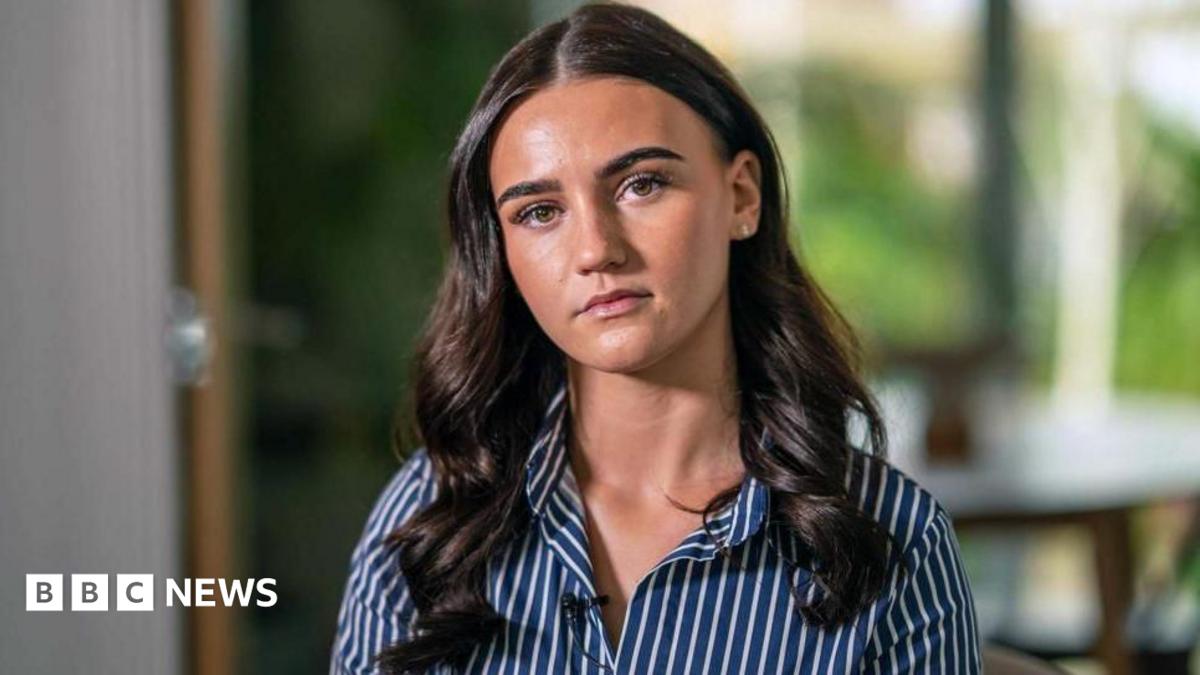
A catfished teen has reportedly been awarded GBP 10,000 after photos of them were reused in fake dating profiles, the BBC reports. The BBC coverage (News – Top Stories) says images of the teenager were used to create accounts that led to romantic conversations online; this article summarises the facts as reported and what is not yet clear.
Quick summary
According to BBC reporting, a catfished teen was awarded GBP 10,000 after images of them were used in fake dating profiles. The BBC piece names Elha Mai Weston as the person alleged to have posed as the teenager; that naming is presented as an allegation in the source.
Catfished teen awarded GBP 10,000
The BBC reports the payment amount as GBP 10,000. The coverage provides limited detail on how that payment was arranged or enforced: it does not specify whether the sum was the result of a court order, a settlement, direct compensation arranged outside court, or another remedial step.
Because the BBC article does not set out a full judgment or a formal ruling, the precise legal mechanism behind the payment remains unclear in the public reporting. We therefore report the amount and note that the original story did not include documentation showing whether it was issued by a judge, agreed by parties, or paid under a different process.
Allegations about Elha Mai Weston
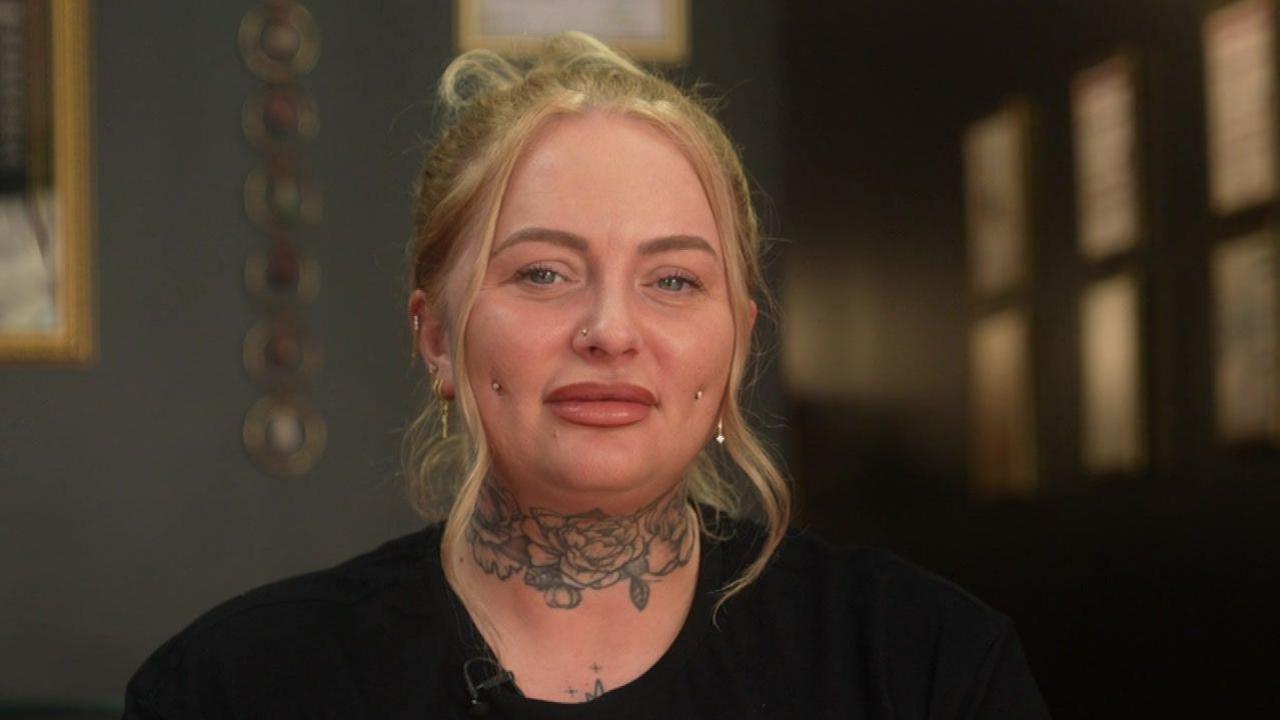
The BBC names Elha Mai Weston in its coverage and reports that she allegedly posed as the teenager to initiate romantic or private conversations. The wording in the BBC story frames this as an allegation; it should be treated as such until confirmed by legal records or official statements.
The BBC piece focuses on the use of the teenager’s images in fake accounts rather than on broader claims about motive or criminal convictions. The report does not include details on whether charges were brought, whether any admission was made, or whether formal court findings have been published.
How the photos were used and what that means
As described by the BBC, images belonging to the teen were placed into fake dating profiles. This practice—commonly called catfishing—typically involves creating accounts that use another person’s photos or identity to deceive other users into building trust or engaging in private communication.
Photo reuse can lead to a range of harms: the victim may face unwanted contact, reputational damage, emotional distress, or exploitation. It can also expose others to deception if third parties are led to trust the fake profiles. The BBC article does not provide a full technical reconstruction of how the profiles were created or who else might have been involved beyond the individual named in the report.
Safety steps for social media users
If your photos or identity material have been copied or used without consent, consider the following steps to protect yourself and preserve options for redress:
1) Preserve evidence. Take dated screenshots, save profile URLs and any messages, and note timestamps. This documentation is important if you report the misuse or pursue legal or civil remedies.
2) Report to the platform. Use the dating site’s or social network’s impersonation, copyright or safety reporting tools to request removal. Platforms often have specific flows for fraud, impersonation or photo misuse.
3) Tighten privacy settings. Restrict who can see your posts and photos, avoid posting images publicly that you wouldn’t want reused, and review friend or follower lists periodically.
4) Seek support. Reach out to trusted friends or family, and consider specialist helplines or organisations that support victims of online abuse. If you face threats, blackmail or sexual exploitation, notify local law enforcement promptly.
5) Consider legal advice. Depending on where you live, options may include takedown notices, civil claims for misuse of images, or criminal complaints; whether compensation is available and how it is obtained varies by jurisdiction and case facts. In the BBC story a payment of GBP 10,000 is reported, but the report does not detail the legal route used to secure that sum.
Key takeaways
The BBC coverage highlights a reported compensation outcome for a victim whose photos were used in fake dating profiles. The individual named in the report, Elha Mai Weston, is described as having posed as the teen; that description is reported as an allegation by the BBC and has not been presented in the source as a confirmed legal finding within the public report.
Platforms and users both play roles in preventing and responding to photo misuse. Prompt reporting, preserving evidence and seeking appropriate support or legal advice are the immediate practical steps victims should consider.
Frequently asked questions
What does “catfished teen” mean?
A “catfished teen” refers to a young person whose images or identity details are used by someone else to create fake online accounts that deceive other users, often for romantic or deceptive purposes.
How can I report a fake dating profile that uses my photos?
Report the profile directly to the dating site or social network via their impersonation or copyright complaint tools. Save screenshots and URLs before reporting. If the misuse is accompanied by threats or serious harassment, involve local law enforcement.
Can victims get compensation for photo misuse?
Compensation may be possible in some cases via settlements, court orders or platform remedies, depending on jurisdiction and evidence. The BBC article notes a reported payment of GBP 10,000 in this instance but does not specify whether it was awarded by a court, agreed as a settlement, or provided through another mechanism.
Source: BBC News – Top Stories. We will update this story if further official documents or reporting become available.