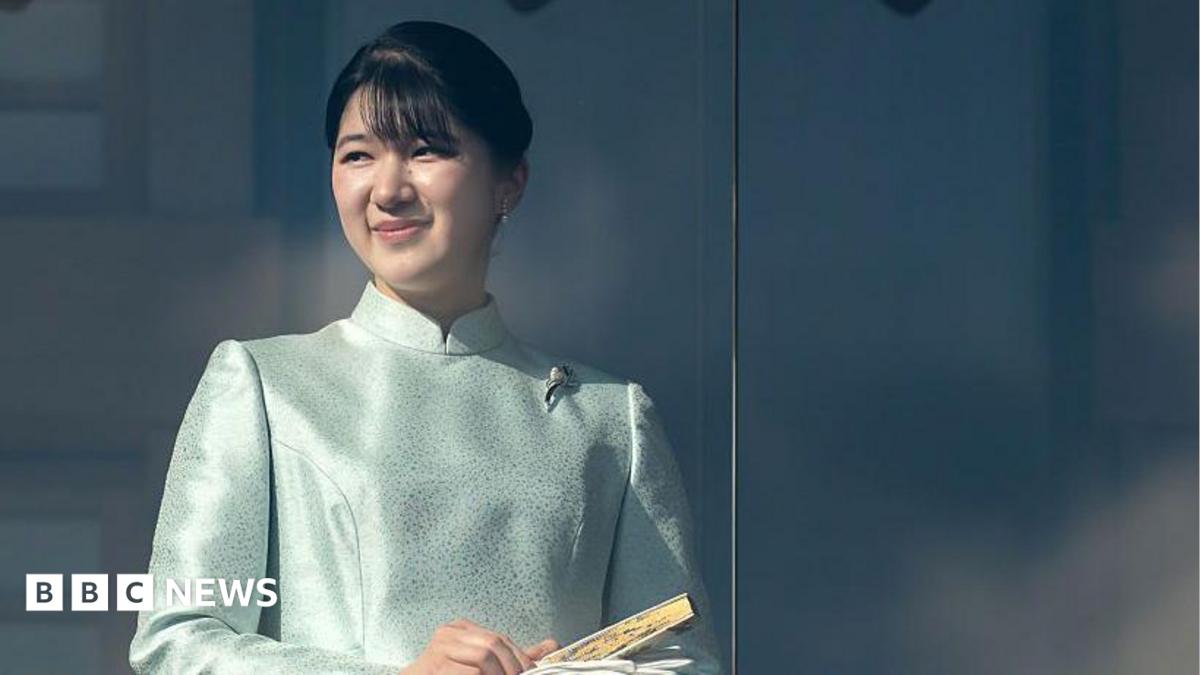
The BBC reported that Japan royal succession rules have been relaxed to permit the adoption of distant male relatives into the imperial family, while the legal ban on women ascending the Chrysanthemum Throne remains in place. The amendment allows males aged over 15 to be adopted back into the imperial household as a way to address a shrinking pool of eligible successors.
The move was framed by lawmakers as a pragmatic response to immediate demographic pressures in the imperial household rather than a change to the long-standing principle of male-line succession. BBC News reported the change and noted that the amendment preserves the prohibition on female emperors.
Japan royal succession rules
Under the updated provision reported by BBC News, adoption can be used as a legal mechanism to restore distant male relatives to membership of the imperial household. The amendment specifies that eligible adoptees must be male and at least 15 years old. Once adopted under the provision, individuals would be treated as part of the imperial household for the purposes of succession protocols.

The change does not alter the basic legal framework that restricts succession to male-line descendants. Instead, it creates a route by which male relatives who are outside the current household could be formally reintroduced and thereby become potential successors.
Who can be adopted back
The law targets distant male relatives descended through the male line who meet the age threshold of over 15. BBC reporting emphasizes that the provision is limited in scope: it does not extend eligibility to female relatives, to people who are not male-line descendants, or to children under the specified age.
Adoption under the new rule would be a civil legal process conferring membership in the imperial household, subject to any administrative or ceremonial approvals required by the Imperial Household Agency and parliamentary procedures. Whether potential adoptees would accept restoration, and whether the necessary approvals will follow, remains to be seen.
Why the ban on female emperors remains
The amendment leaves intact the prohibition on female emperors, a position lawmakers explicitly preserved, according to the BBC. Supporters argue that maintaining male-line succession preserves historical continuity and the traditional role of the imperial institution. Critics say the ban is at odds with modern views on gender equality and that avoiding change now may store up problems for the future.
BBC reporting framed the change as a stopgap rather than a final settlement of the wider debate over gender and succession. Lawmakers chose adoption as a targeted measure to increase the pool of eligible male successors without rewriting the core inheritance rule.
What this means for the imperial family
In practice, the amendment could modestly expand the number of people eligible to take on imperial duties or to be placed in the line of succession, but its immediate impact depends on whether suitable relatives are willing and available to be adopted and on approvals by the relevant authorities. The measure creates a legal pathway but does not guarantee immediate changes to the composition of the household.
Questions remain about how quickly any adoption would be processed, how adopted members would be integrated into public duties, and how the government and imperial authorities will manage ceremony, titles and household roles. BBC reporting highlights that the change is intended first and foremost to secure continuity rather than to address all institutional or social debates around the monarchy.
Key takeaways
- The law now allows adoption of distant male relatives aged over 15 into the imperial household.
- The amendment preserves the existing ban on female emperors and male-line succession.
- Any practical effect will depend on whether eligible relatives are adopted and on approvals by the imperial household agency and parliament.
What comes next
Parliament will need to complete any remaining legislative steps to implement the amendment fully, and the government may issue supplemental rules clarifying adoption criteria and administrative procedures. BBC reporting indicates parliamentary debate and administrative decisions will shape the timeline and practical rollout.
The timing of any adoptions and their effect on the line of succession will depend on political will, the willingness of eligible relatives to be adopted, and procedural approvals within the Imperial Household Agency and parliament. Observers expect deliberation rather than an immediate influx of restored members.
Frequently asked questions
Can women become emperor under the new rules? No. The BBC reported the amendment preserves the existing ban on female emperors. The change allows adoption of distant male relatives but does not extend succession rights to women.
Who now qualifies to rejoin the imperial family? The law allows distant male relatives who are at least 15 years old and who are male-line descendants to be adopted back into the imperial household, according to BBC reporting.
How soon could an adopted relative affect the line of succession? That depends on whether eligible relatives agree to adoption, approvals from imperial and governmental authorities, and timing of formal adoption procedures. The legal pathway exists, but any change to succession order requires additional steps and decisions.
Source: BBC News — For the original coverage, see: BBC News – Japan relaxes royal succession rules – but ban on female emperors remain.