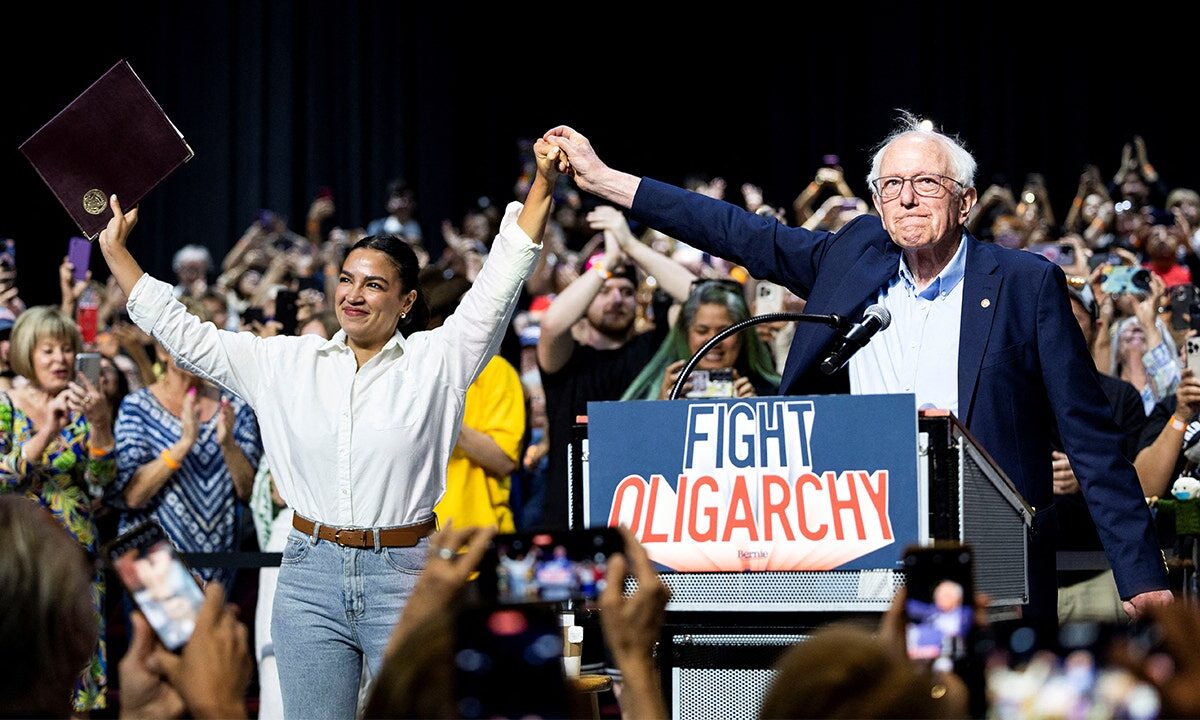
Progressive leaders Bernie Sanders and Rep. Alexandria Ocasio‑Cortez are scheduled to join Abdul El‑Sayed for three campaign stops across Michigan this weekend, injecting national attention into the Michigan Democratic Senate primary as voters head to the Aug. 4 contest that will determine the party’s nominee to face former Rep. Mike Rogers in November.
With Republicans holding a 53‑47 Senate margin, both sides view the open seat as a potential swing that could shape control of the Senate — and this weekend’s visits are aimed at moving a close primary ahead of early August voting.
Michigan Democratic Senate primary: platform and endorsements
El‑Sayed, a former Wayne County Health Department director and 2018 gubernatorial contender, has pitched a progressive policy agenda centered on Medicare‑for‑all, a pledge not to accept PAC donations and calls to abolish Immigration and Customs Enforcement (ICE). His campaign presents those priorities as part of a grassroots effort to expand turnout among young and left‑leaning voters.
El‑Sayed’s positions on the Israel‑Hamas war have also drawn attention. He has publicly described Israel’s actions in Gaza as “genocide,” a characterization that has become contentious in the race and prompted debate among Michigan’s voters. That specific phrasing has been reported in coverage of his remarks and is a focus for both supporters and critics.
Stevens is the establishment choice. Backed publicly by Senate Democratic Leader Chuck Schumer, and with endorsements from party figures including Sen. Gary Peters, Stevens’ campaign emphasizes electability against a Republican opponent in November, arguing a moderate nominee is the best path to holding the seat.
Sanders has framed the contest as a fight over outside money and influence. “A billionaire‑funded Super PAC shouldn’t determine American elections or foreign policy,” he wrote in a social post backing El‑Sayed and criticizing big outside spending in the contest.
Outside spending, polls and the general‑election math
Outside groups have poured money into the primary. The United Democracy Project — an outside group aligned with pro‑Israel interests — has been reported as spending nearly $15 million in activity backing Haley Stevens and opposing El‑Sayed, amplifying ads and mail targeting the progressive candidate.
Recent public polling shows a tight race. A Detroit News/WDIV poll taken after Mallory McMorrow suspended her campaign showed Stevens with a roughly seven‑point lead over El‑Sayed; campaign strategists on both sides say those numbers could shift as high‑profile surrogates campaign across the state and as turnout operations intensify.
Analysts warn against overinterpreting any single poll, noting that Michigan’s electorate includes diverse blocs — from urban Black voters to suburban moderates and a sizable Arab American community — that can respond differently to both policy arguments and messaging about electability.
Stevens’ backers argue a moderate nominee gives Democrats the best chance to hold the seat against Mike Rogers in November. Progressives counter that El‑Sayed’s mobilization capability and refusal to accept PAC money could expand turnout in ways traditional models miss.
On the ground: weekend preview and what to watch
Campaign officials say Sanders and Ocasio‑Cortez will join El‑Sayed at three stops this weekend that mix large rallies with smaller community events and targeted voter outreach. Expect an emphasis on retail engagement in Detroit and surrounding suburban counties where turnout will decide the primary.
Watch for sharper lines of attack in real time: Stevens’ team will likely press electability arguments and highlight outside spending that benefits the progressive, while El‑Sayed’s campaign will emphasize grassroots energy and its no‑PAC pledge. Rapid response teams on both sides are prepared to amplify clips and social moments from the weekend.
After the weekend, both campaigns plan intensified ad buys, targeted mail to likely primary voters and expanded field operations leading into early August. The closing stretch is expected to be short and focused: door‑knocking, phone outreach and digital saturation in key precincts.
What comes next: The Aug. 4 primary will determine who faces Mike Rogers in November and could signal the party’s direction heading into the fall. Political watchers will be looking for post‑weekend polling shifts, turnout data from targeted counties and whether national surrogates were able to move undecided voters.
Source attribution: Reporting for this article draws on coverage and reporting that includes Fox News, public polling from Detroit News/WDIV, and public filings and reporting on spending by United Democracy Project. Specific reporting on weekend events and endorsements was also drawn from campaign statements and public social posts by campaign surrogates.