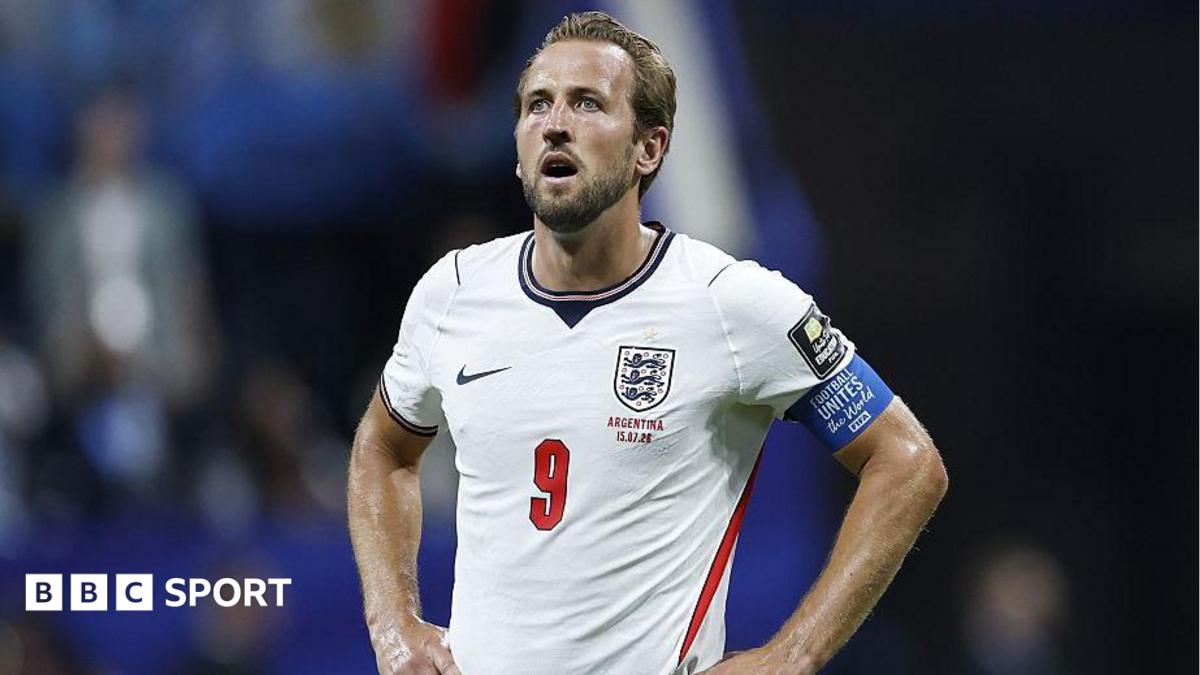
Harry Kane has finished his England chapter as the national side’s record scorer, leaving a tactical question for the future: will England try a ‘false nine’ rather than a traditional striker? The idea of a false nine has moved from a niche tactical choice to a mainstream option in top-level football, and Kane’s exit forces England to weigh alternatives for leading the attack.
This analysis explains what a false nine actually is, outlines plausible formations and player roles for England, and weighs the benefits and risks of a sustained move away from a fixed No.9.
Where England stand now
Harry Kane’s goalscoring record gave England a clear reference point: a central figure who could both finish chances and drop to link play. His presence allowed manager and selectors to build systems that relied on a focal striker whose movement and finishing defined many lineups.
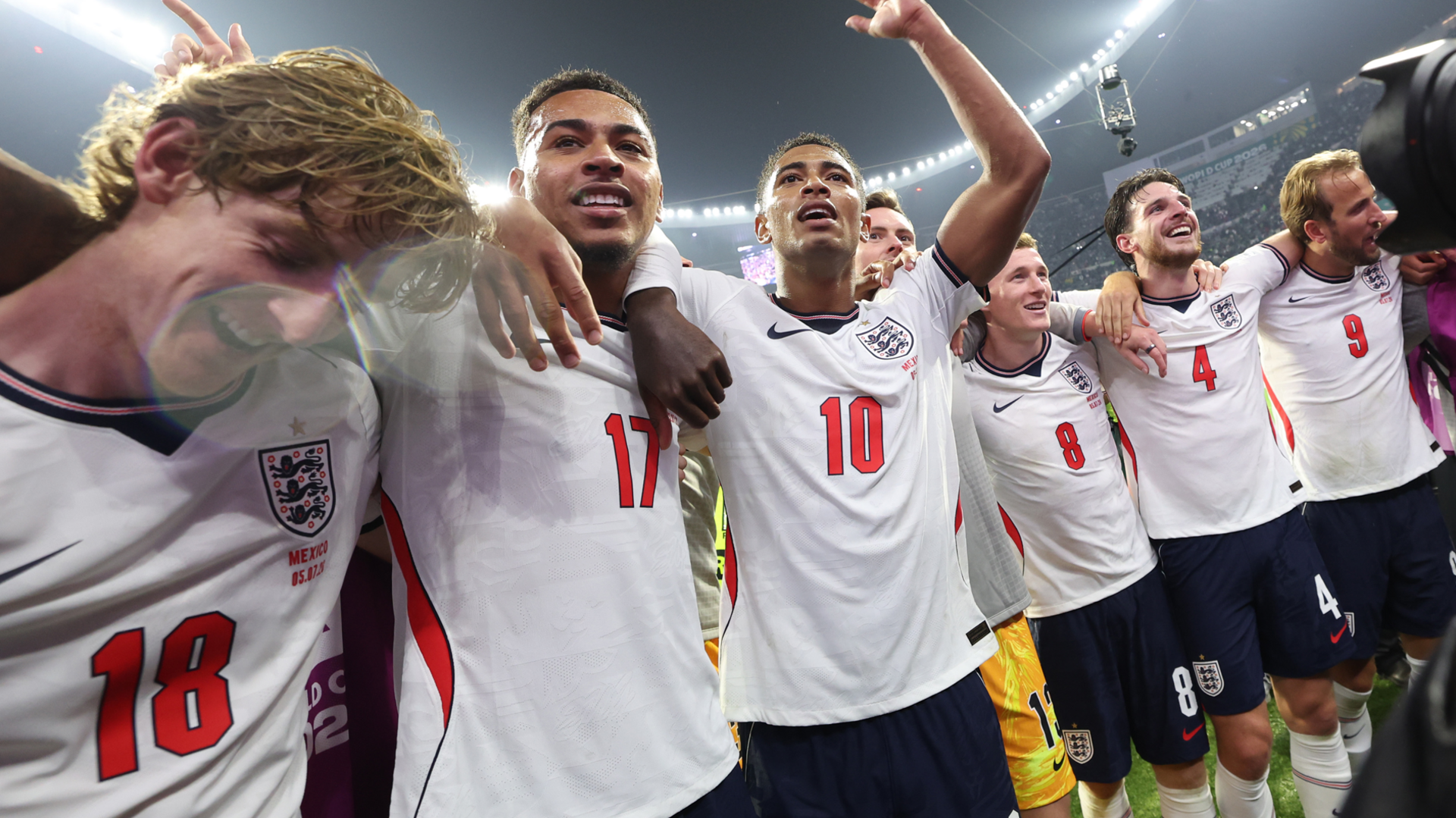
With Kane no longer the automatic starter or long-term plan, England’s tactical future becomes more open. That creates space for experimentation: a like-for-like striker, a rotating front three, or a deeper tactical switch to a false nine that asks a central forward to drop into midfield regularly.
What a false nine is
The term false nine describes a nominal central forward who vacates the penalty area to create overloads in midfield, draw defenders out of position and open space for wide attackers or advancing midfielders.
Key trade-offs are straightforward. A false nine can improve ball progression and overload central areas, but it does not guarantee a clear goal threat at the end of moves. Success depends on surrounding personnel — wide players who can finish, midfielders who press or arrive late into the box, and a tactical plan for replacing Kane’s consistent goalscoring output.
How England could use a false nine
There are a few practical ways England might deploy a false nine rather than sticking to a conventional centre‑forward.
One option is a 4-3-3 where the central forward starts high but routinely drops into a midfield pocket. That movement would ask wide forwards to occupy the vacated channels and for at least one central midfielder to arrive late into the box. Players who combine technical close control with creative passing could be trialled in that role.
Another option is a 3-4-2-1 or 3-4-3 shape where a withdrawn forward sits between lines while two more mobile attackers rotate around them. This would preserve a presence in wide areas while giving England more fluidity in the centre.
In concrete squad terms, names commonly discussed in public selection conversations include attacking players with creative instincts and the ability to operate between lines. Any move to a false nine would be shaped by form, fitness and matchups, and is inherently speculative rather than a settled decision.
Pros and cons for England
Pros: A false nine could unlock fresh ways to progress the ball from midfield into attack and make England less predictable. It would also allow managers to use several high-quality wide players without needing a fixed target man.
Cons: The biggest risk is goals. Kane provided consistent finishing that a false nine setup does not automatically replace. There is also a selection question: swapping to a false nine places a premium on wide attackers who can both create and finish, plus midfielders willing to make late runs.
Another practical concern is transition. England’s recent identity has often relied on a striker who can finish and hold up play. Moving away from that requires time in training and carefully chosen fixtures to test the system without jeopardising results.
Player selection and tactical fit
Which players fit a false nine depends on the precise tactical instructions. An effective false nine usually needs close control, quick decision-making and the capacity to link midfield and attack. Players who can press from the front and create passing angles are valuable.
England have several options to consider, and any manager will weigh current form, versatility and chemistry. This is less about finding a single replacement for Kane and more about identifying a collective shape that spreads responsibility for goals and creative work across the team.
What comes next
Watch three areas for early signals. First, squad selection: does the manager pick a tight two or three of specialised centre‑forwards, or does the wider attacking group suggest a fluid approach? Second, friendly fixtures and early qualifiers provide low‑risk moments to trial a false nine in competitive conditions. Third, manager comments and training reports will indicate whether the idea is exploratory or a planned long‑term pivot.
Any change will be gradual and conditional on results. The switch to a false nine is not inevitable — it is one viable option among several, and its adoption will depend on player development and tactical fit rather than the single fact of Kane’s absence.
FAQs
What is a false nine?
A false nine is a forward who moves away from the penalty area into midfield to create space and overloads. The role emphasises link‑up play and movement rather than staying high as a traditional striker.
Could England really switch to a false nine after Kane?
Yes, it is possible but speculative. The decision would depend on squad composition, manager preference and the ability to replace Kane’s goal output through shared attacking responsibilities.
Which England players can play a false nine?
Several England attackers have traits that suit the role, including technical ability and movement between lines. Any use of a false nine would likely rotate players and test different combinations rather than fix a single permanent occupant of the role.
Source: BBC News. Original reporting at https://www.bbc.co.uk/sport/football/articles/cp87llz7539o?at_medium=RSS&at_campaign=rss