BBC News – Health reported on 19 July 2026 that three women say endometriosis damaged their careers while an inquiry into the issue is under way. The BBC article frames these as first‑hand accounts and notes the inquiry; details remain limited in the reporting. This explainer draws on that BBC reporting to explain how endometriosis can affect work, summarise the three reported stories as allegations, and set out practical UK rights and supports.
What BBC reported
The BBC News – Health piece published on 19 July 2026 says three women described ways endometriosis affected their careers and livelihoods. The report highlights delays to diagnosis, difficulty securing workplace adjustments and consequences for job retention and progression.
The article notes an inquiry is taking place connected to these concerns but does not detail the inquiry’s full remit or findings. The BBC frames the individual accounts as the women’s reports; independent corroboration beyond the BBC piece is not provided in that article.

How endometriosis can affect work
Endometriosis can cause chronic pelvic pain, heavy periods, fatigue and other symptoms that vary in intensity. Those symptoms may make regular hours, concentration and physically demanding tasks difficult, especially when flares are unpredictable.
At work, common impacts include increased sickness absence, reduced hours, altered duties and difficulty attending training or meetings. Over time, repeated absence or the need to avoid extra responsibilities can slow career progression or push people to change roles.
Three women’s career stories
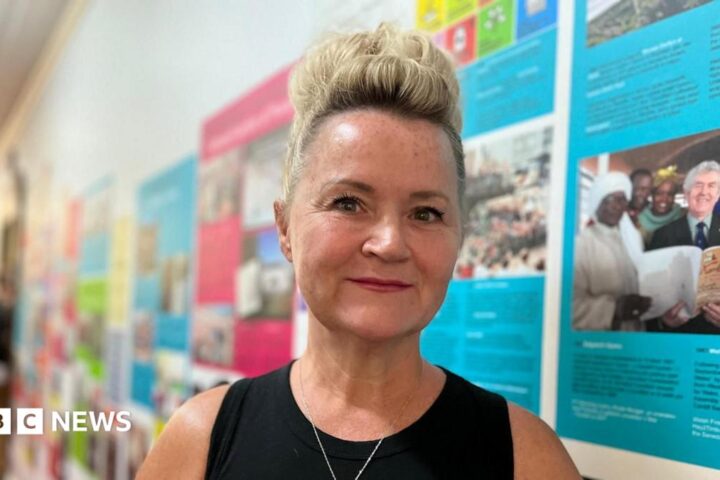
The BBC article presents three women who say endometriosis harmed their careers. Each account is reported by the BBC as the individual’s own description and should be read as an allegation rather than an established fact.
One woman told the BBC she faced long delays to diagnosis and that repeated absences and pain made sustaining her previous role untenable. A second said severe pain and fatigue led to part‑time work and then stepping away from a career she had planned to continue. The third described struggling to secure workplace adjustments and feeling forced to choose between management responsibilities and a job she could manage alongside treatment.
The BBC uses these accounts to illustrate a broader pattern reported by some people with endometriosis: diagnostic delay, symptom burden and workplace inflexibility combining to harm careers.
Workplace rights and support in the UK
Employees in the UK have several possible routes of support depending on their circumstances. Key areas to consider are:
- Sick leave and pay: Eligible employees can use statutory sick pay (SSP); some employers offer occupational sick pay. A GP can provide a fit note to support time off for treatment.
- Reasonable adjustments: Under the Equality Act 2010, a long‑term condition that substantially affects day‑to‑day activities may be a disability, triggering a duty on employers to consider reasonable adjustments (flexible hours, remote work where appropriate, extra breaks or temporary role changes).
- Occupational health and phased returns: Larger employers often offer occupational health (OH) assessments that recommend adjustments and phased returns to work; managers should consider OH advice when balancing operational needs and employee health.
- Practical steps for employees:
- Keep clear medical records and fit notes.
- Request adjustments in writing and explain practical needs.
- Seek impartial advice from ACAS or a union if needed.
- What employers can do: Hold early, empathetic conversations; consider temporary measures while assessments proceed; tailor adjustments to the individual to improve retention.
Why the inquiry matters
The inquiry referenced by the BBC could help identify systemic problems in diagnosis, workplace practices and policy gaps affecting women’s health. If it examines patterns across healthcare and employment, it may prompt clearer guidance for employers, improved signposting to occupational health services, or policy recommendations to reduce diagnostic delays.
Even before any formal findings, the BBC coverage has amplified personal accounts and may encourage employers to review how they support staff with chronic gynaecological conditions.
What comes next
Follow‑up reporting or the inquiry’s published remit and findings would give fuller detail on the scale of the issue and potential recommendations. In the meantime, employees and employers can use existing legal rights and occupational health services to address immediate workplace needs.
Source: BBC News – Health (published 19 July 2026) — Why some women are being driven out of the workplace by an illness
Frequently asked questions
What is endometriosis and how does it affect work?
Endometriosis is a condition where tissue similar to the uterine lining grows outside the uterus, often causing pain, heavy periods and fatigue. Those symptoms can lead to absence, reduced hours or difficulty with physically or cognitively demanding roles.
Can I get sick leave or workplace adjustments for endometriosis?
Yes. Eligible employees can use statutory sick pay or employer sick pay. If the condition substantially affects daily activities, the Equality Act 2010 may require employers to consider reasonable adjustments such as flexible hours or changed duties.
What is known about the inquiry mentioned by BBC?
The BBC reported that an inquiry is taking place connected to the issue, but the article does not set out the inquiry’s full scope or findings. The report presents the inquiry as part of wider attention on the workplace effects of endometriosis.